The world is getting too hot to feed itself
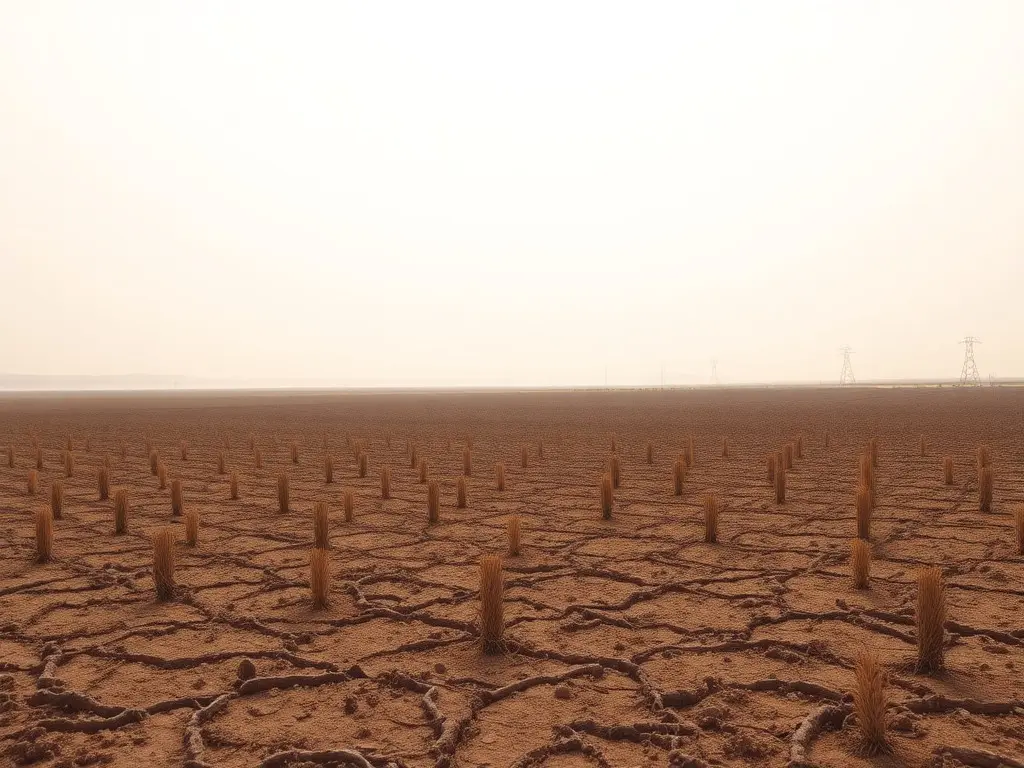
A new joint report by the World Meteorological Organization and the Food and Agriculture Organization of the United Nations found that extreme heat is having a compounding effect on the global agricultural system, with Brazil being a key case study. The report warns that on a high-emissions trajectory, many regions could experience up to 250 days a year that are too hot to work outside by the end of the century.
Extreme heat is having a devastating impact on the global agricultural system, according to a new report by the World Meteorological Organization and the Food and Agriculture Organization of the United Nations. Brazil, a major agricultural powerhouse, has been particularly affected, with severe heat waves in 2024 causing widespread losses in soy, corn, peanuts, potatoes, sugarcane, and arabica coffee. The report cites other examples of extreme heat's impact, including a massive algae bloom in Chile that killed 100,000 metric tons of farmed salmon and trout, and a heat wave in India's Pacific Northwest that led to significant losses in wheat and dairy production. The authors warn that human-caused warming is increasing at an unprecedented rate, with the past 11 years being the 11 warmest on record. On a high-emissions trajectory, many regions could experience up to 250 days a year that are too hot to work outside by the end of the century. The report outlines the need to produce food in a world where extreme heat is becoming a new baseline.
This content was automatically generated and/or translated by AI. It may contain inaccuracies. Please refer to the original sources for verification.