They can walk and talk. How soon will humanlike robots be working beside us?
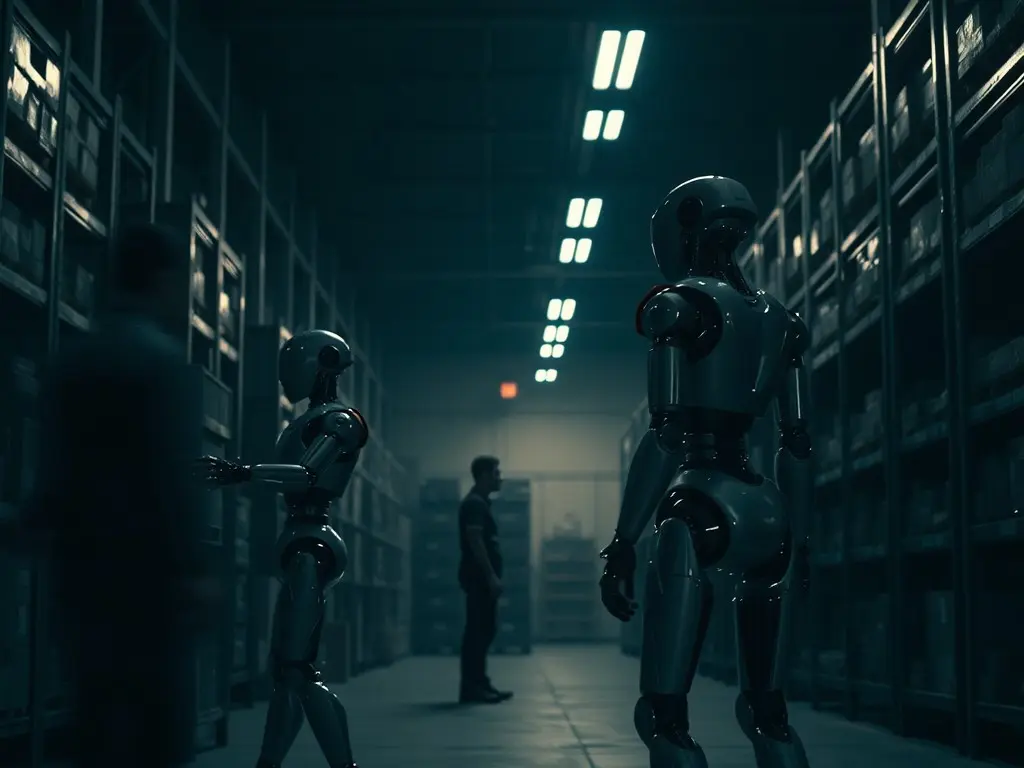
The robotics industry is exploring humanoid robots like Agility Robotics' Digit and Boston Dynamics' Atlas to address labor shortages, with pilot programs at Amazon, Mercado Libre, and Toyota Canada, though technical and cost challenges remain. Experts debate the timeline for widespread adoption, with projections like Morgan Stanley’s $5 trillion market forecast by 2050, while skeptics highlight safety, power, and reliability hurdles.
The robotics industry is investing heavily in humanoid robots to fill labor gaps, with companies like Agility Robotics and Boston Dynamics leading the charge. At the Boston Robotics Summit, humanoids like Agility’s Digit—tested at Amazon and now piloting at Mercado Libre’s San Antonio fulfillment center and Toyota Canada’s assembly lines—demonstrated progress in adaptability. Unlike traditional robots, humanoids can navigate unstructured environments without factory modifications, addressing the uniqueness of most jobs, according to Boston Dynamics’ Alberto Rodriguez. Optimism stems from potential market growth: Morgan Stanley predicts a $5 trillion humanoid robot market by 2050, with nearly 1 billion units in use. Venture capital is flooding into startups developing lifelike machines and supporting tech. However, challenges persist. Humanoids require extensive sensors, powerful computing, and significant power to operate safely alongside humans, with reliability and cost-effectiveness still unproven. Safety concerns loom large, as current designs risk accidents in shared workspaces. Traditional robots often outperform humanoids in cost and efficiency for specialized tasks, raising questions about their economic viability. Elon Musk previously suggested Tesla could deploy humanoids within a decade, but industry experts remain divided on timelines, citing unresolved technical barriers. Agility Robotics’ Pras Velagapudi noted the Digit model’s expanding role in commercial settings, while Boston Dynamics’ Atlas focuses on general-purpose adaptability. Despite skepticism, the industry’s momentum suggests humanoids will eventually play a larger role in automation, though widespread adoption may take years to materialize.
This content was automatically generated and/or translated by AI. It may contain inaccuracies. Please refer to the original sources for verification.