This Is How Trump Finally Signed the AI Executive Order
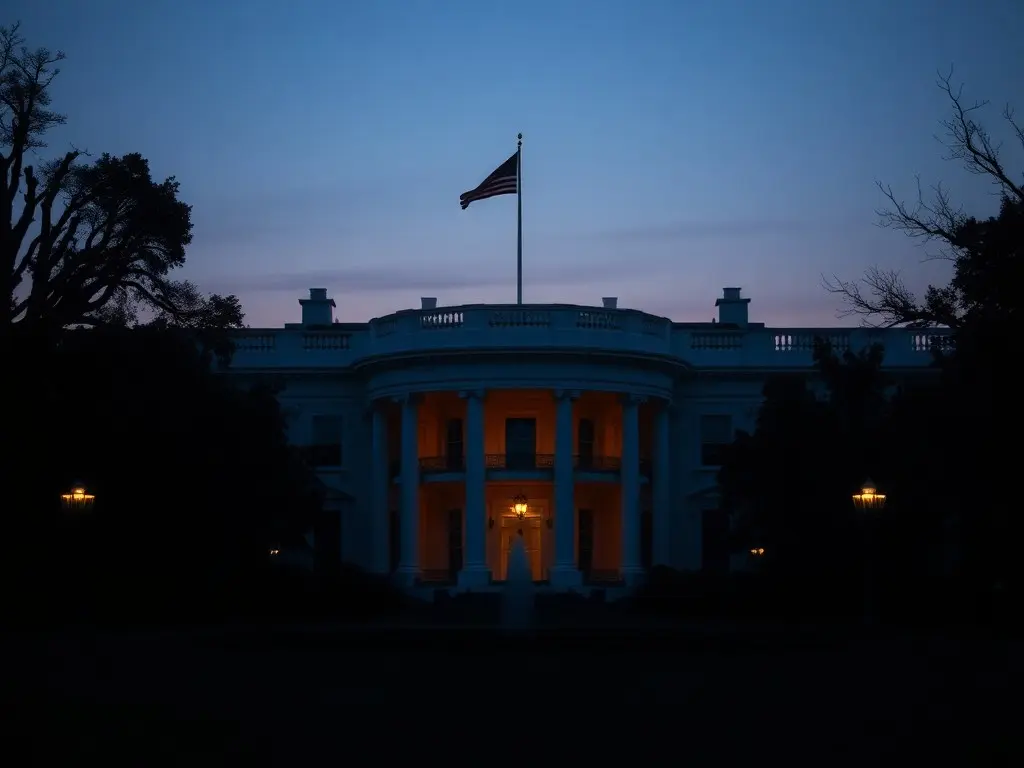
President Donald Trump signed a revised AI executive order on June 2, 2026, granting the U.S. government 30-day pre-release access to advanced AI models like Anthropic’s Claude Mythos and OpenAI’s GPT-5.5, after initially shelving a stricter 90-day review proposal due to industry pushback, with key figures like White House Chief of Staff Susie Wiles and Treasury Secretary Scott Bessent driving its revival.
President Donald Trump signed a downsized AI executive order on June 2, 2026, after shelving an earlier version less than two weeks prior. The revised order shortens the federal government’s pre-release access to advanced AI models from 90 days to 30 days, allowing officials to assess potential vulnerabilities before public release. Trump approved the final language following a high-level White House meeting on Monday night, with aides finalizing the text Tuesday morning. The order targets increasingly powerful AI systems, including Anthropic’s Claude Mythos and OpenAI’s GPT-5.5, to mitigate risks of cyberattacks on critical infrastructure. It establishes a voluntary process to identify high-risk models and provides the U.S. government with exclusive early access for security evaluations. The move reflects growing concerns within the administration about unchecked AI advancements. The decision marks a victory for White House Chief of Staff Susie Wiles, Treasury Secretary Scott Bessent, and National Cyber Director Sean Cairncross, who revived the proposal despite resistance from former AI czar David Sacks, a skeptic of government intervention. Trump initially scrapped the order on May 21 after AI companies and Sacks argued a 90-day review window was impractical for a fast-evolving industry. With the order now in place, Bessent can resume discussions with China on creating a cross-border AI framework, which had been stalled while the U.S. finalized its domestic policy. White House spokesperson Liz Huston framed the order as a ‘common-sense approach’ to balancing innovation and security, ensuring America’s global AI leadership. Major AI firms, including Anthropic, expressed support for the executive order, with Anthropic stating in a post on X that it welcomed collaboration with the White House to implement the new guidelines. The order does not impose formal regulations but aims to foster voluntary compliance with security standards for advanced AI models.
This content was automatically generated and/or translated by AI. It may contain inaccuracies. Please refer to the original sources for verification.