This newly developed technology is successfully turning carbon dioxide into 110 pounds of daily fuel
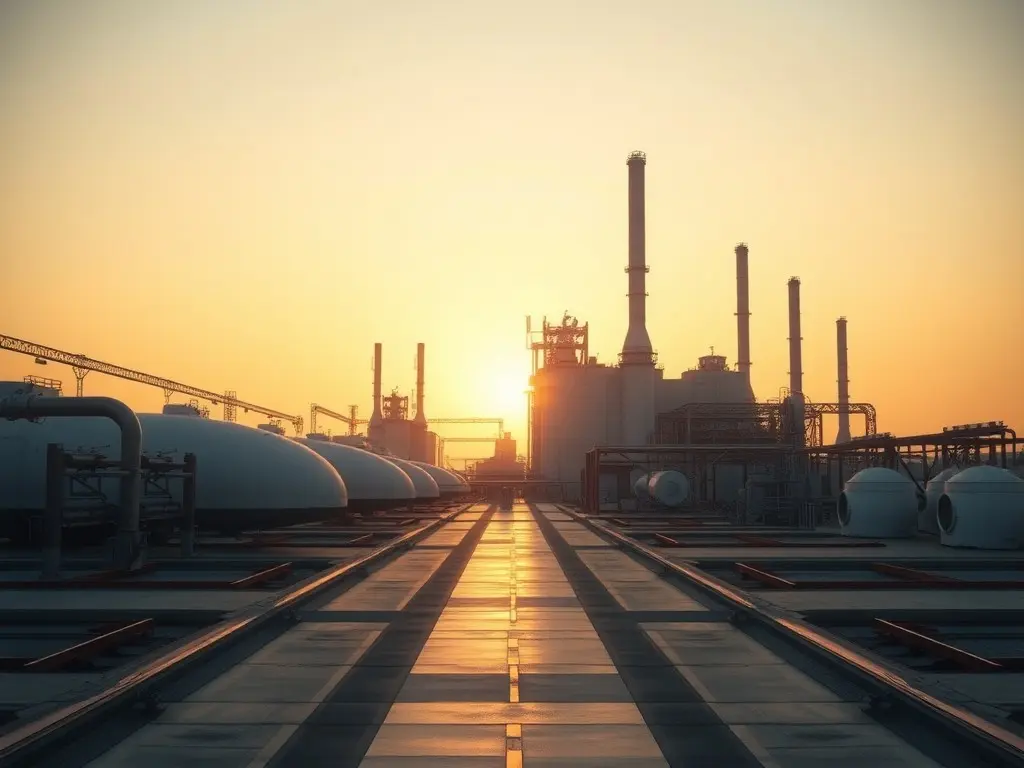
Scientists developed a new catalytic system converting atmospheric carbon dioxide and hydrogen into 110 pounds of liquid fuel daily, marking a scalable industrial breakthrough. The high-entropy metallic catalyst enables efficient thermochemical reactions under continuous flow, avoiding traditional fossil fuel extraction and supporting circular carbon economies.
Researchers have created a catalytic system capable of transforming atmospheric carbon dioxide and hydrogen into liquid fuel at an industrial scale. Using a high-entropy metallic composite—often incorporating iron or cobalt—the process produces up to 110 pounds of synthetic fuel per day through a continuous flow reaction under pressure and heat. This method bypasses fossil fuel extraction by optimizing thermochemical reactions, making it compatible with existing engines. The breakthrough addresses thermodynamic challenges by leveraging tandem catalysis, where multiple active sites decompose carbon dioxide while forming hydrocarbon chains simultaneously. This approach reduces activation energy and avoids extreme heat requirements, using abundant Earth materials for efficiency. The catalyst’s structure remains stable under constant pressure, preventing carbon buildup that typically disrupts metal sites, as noted in studies from the Royal Society of Chemistry and Frontiers in Chemistry. Production metrics focus on Space-Time Yield (STY), measuring reactor efficiency over time. Achieving 110 pounds daily requires catalysts housed in high-surface-area supports like zeolites or metal-organic frameworks, maximizing molecular conversion per second. This output aligns with the demanding goal of 50 kilograms of daily production, ensuring scalability for industrial applications. The technology supports ‘air-to-tank’ methods, converting emissions into liquid energy for sectors like aviation and shipping, where batteries are impractical. If hydrogen is sourced via renewable-powered electrolysis, the fuel becomes nearly carbon-neutral, reducing industrial facilities’ local carbon footprints. A single pilot unit can process 110 pounds of carbon dioxide daily, advancing circular carbon economies and sustainable energy solutions.
This content was automatically generated and/or translated by AI. It may contain inaccuracies. Please refer to the original sources for verification.