This robotics CEO wants to automate the work that makes people quit
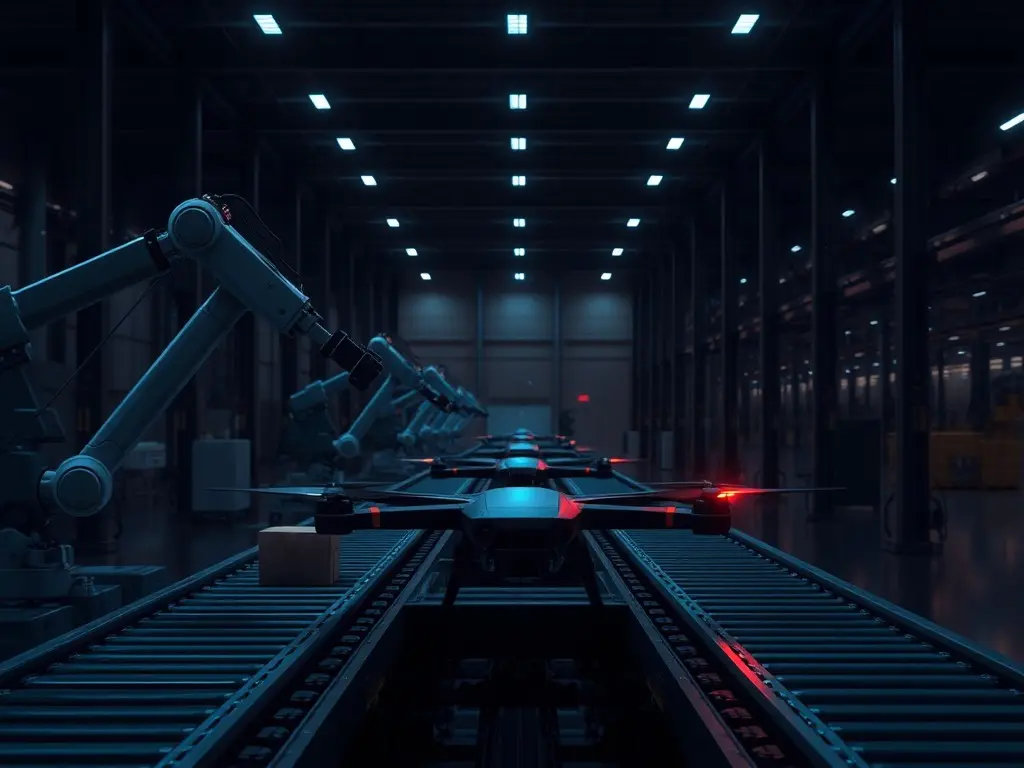
Robot.com CEO Felipe Chavez envisions robots handling mundane, repetitive tasks like deliveries and warehouse work to reduce human burnout, with over 500 robots already deployed across 2.5 million tasks. Unlike humanoid-focused competitors, his company targets specialized, dexterous automation for tasks requiring minimal manipulation, such as placing items into delivery robots.
Felipe Chavez, co-founder and CEO of Robot.com, envisions robots taking over repetitive physical labor to free humans for more fulfilling work. During a visit to the company’s San Francisco headquarters, he demonstrated this vision using a Chobani commercial, where robots coexist harmoniously with humans and nature. Robot.com’s mission is to automate tasks that cause high turnover, such as deliveries and warehouse operations, rather than building general-purpose humanoid robots. The company currently operates over 500 robots, completing more than 2.5 million tasks, primarily in delivery services. However, Chavez noted that automating one task often reveals another, like restaurant workers needing to load containers into delivery robots. To address this, Robot.com is developing robots capable of handling specific manipulations, such as grabbing and placing items—a process Chavez describes as targeting tasks that can be done with two fingers. Unlike competitors like Figure AI and Tesla, which focus on humanoid robots with full dexterity, Robot.com prioritizes specialized, modular automation. Chavez’s approach stems from his early startup experience in Colombia, where manual delivery work proved exhausting and demoralizing. His company now breaks down labor into granular tasks to identify automation opportunities, ensuring robots handle the most mundane and repetitive jobs. Robot.com’s expansion includes warehouses, food service, and even advertising, where robots could act as mobile billboards. While the industry races toward humanoid robots, Chavez’s strategy remains grounded in solving immediate labor inefficiencies. His vision aligns with a broader goal: using automation to eliminate the kind of work that drives people away from their careers entirely.
This content was automatically generated and/or translated by AI. It may contain inaccuracies. Please refer to the original sources for verification.