This Year's World Cup Games Could Be Sizzling. Here's What's Being Done to Prepare for Extreme Heat
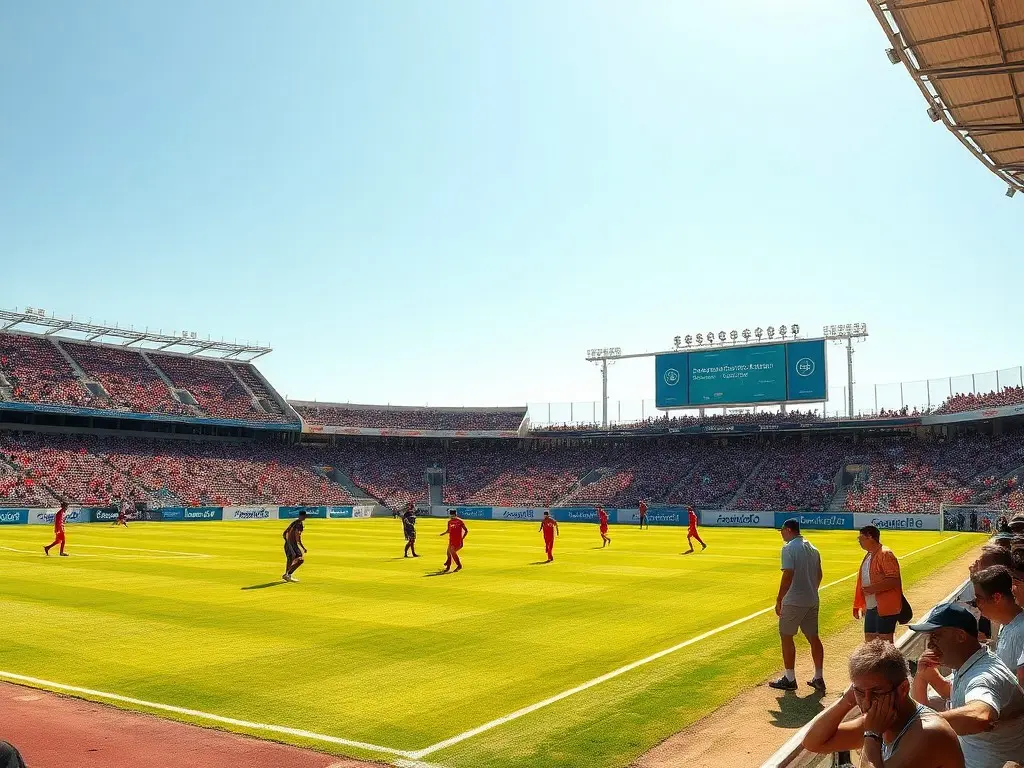
The 2026 World Cup in the United States, Mexico, and Canada may face extreme heat in June and July, with 14 of 16 host cities experiencing potentially dangerous temperatures. FIFA and host cities are taking measures to protect players and spectators, including hydration breaks, cooling zones, and heat risk assessments.
The 2026 World Cup, hosted by the United States, Mexico, and Canada in June and July, may be affected by extreme heat. On average, July is the hottest month in the contiguous U.S., and temperatures are expected to be high in cities like Dallas, Houston, and Monterrey. Exposure to heat can cause nausea, dehydration, and even death. To mitigate this, FIFA is implementing measures such as 3-minute hydration breaks for players, enhanced shade and cooling zones, and medical teams during events. Host cities and stadiums are also conducting heat risk assessments and adjusting match schedules to avoid the hottest parts of the day. Officials will monitor weather conditions and activate extreme heat plans if necessary.
This content was automatically generated and/or translated by AI. It may contain inaccuracies. Please refer to the original sources for verification.