Tiny, dime-sized device offers big hope for premature babies with heart defects
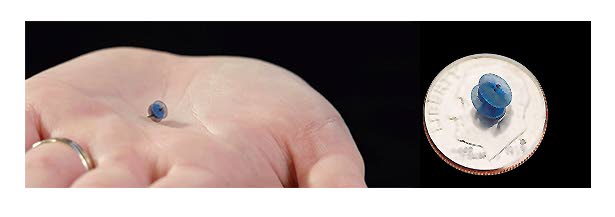
A dime-sized device is being used to treat premature babies with patent ductus arteriosus (PDA), a condition where a blood vessel fails to close after birth. The device is inserted through a small blood vessel in the leg and expands to seal the opening, offering a safer alternative to surgery.
A tiny, minimally invasive device is transforming the treatment of premature babies with patent ductus arteriosus (PDA), a condition where a blood vessel connecting the aorta and pulmonary artery fails to close after birth. The device is smaller than a coin and is inserted through a small blood vessel in the leg, expanding to seal the opening. At Joe DiMaggio Children’s Hospital in South Florida, specialists have performed around 30 bedside procedures using this approach over the past two years, all with successful outcomes and no reported long-term complications. The procedure is done directly at the baby's bedside in the neonatal intensive care unit (NICU), avoiding the need for surgery or transporting critically ill newborns to operating rooms. The device allows the body to naturally heal around it without any incisions. Physicians are participating in clinical trials to expand its use and make the procedure a new standard of care for premature infants.
This content was automatically generated and/or translated by AI. It may contain inaccuracies. Please refer to the original sources for verification.