Top Gun, inverted
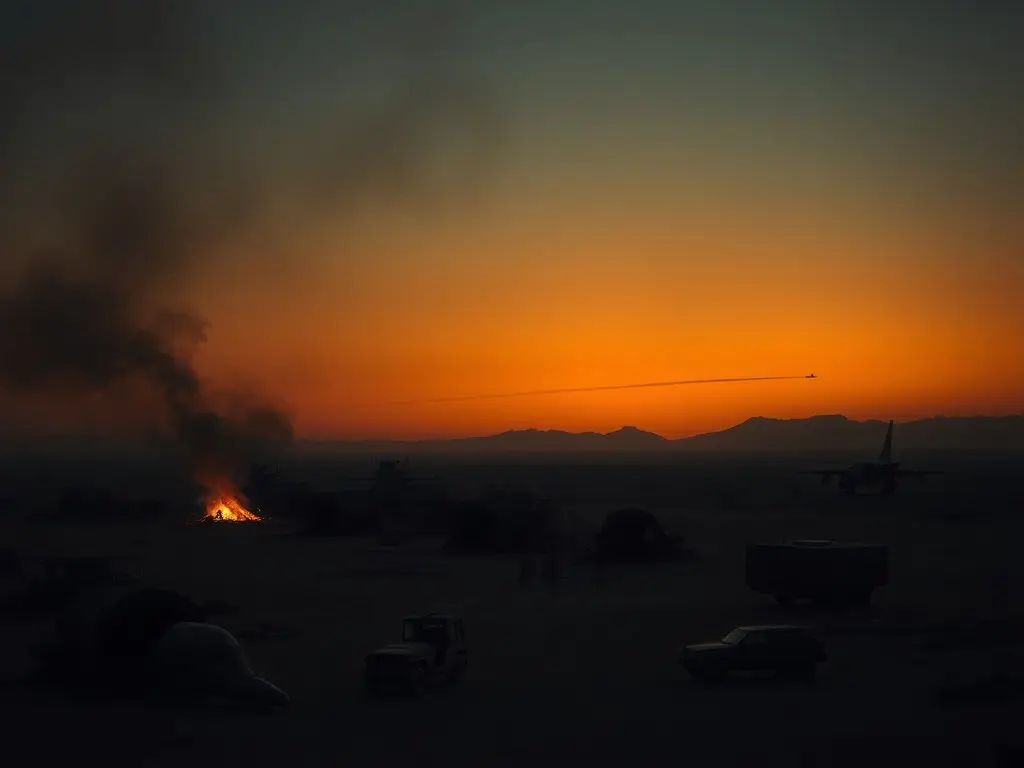
Investigative reports by *The Washington Post*, CNN, and NBC News reveal Iranian airstrikes caused far greater damage to US military bases in the Middle East than previously disclosed, including 228 structures and equipment across 15 sites. Satellite imagery analysis shows precision attacks, including a rare successful bombing run by an Iranian F-5 fighter jet on Camp Buehring in Kuwait, exposing vulnerabilities in US defenses.
Investigations by *The Washington Post*, CNN, and NBC News reveal Iranian strikes during the conflict inflicted extensive damage on US military installations in the Middle East, far exceeding official reports. Satellite imagery analysis identified at least 228 damaged or destroyed structures and pieces of equipment—including hangars, aircraft, radar, and air-defense systems—across 15 US bases, primarily in Bahrain and Kuwait. The attacks were precise, with no evidence of random misses, suggesting the US underestimated Iran’s targeting capabilities. The *Washington Post* verified 109 high-resolution Iranian satellite images using cross-referenced data from the EU’s Copernicus Programme and Planet Labs, while also identifying 10 additional damaged sites not previously disclosed. Experts, including Mark Cancian of the Center for Strategic and International Studies, noted the attacks exposed gaps in US preparedness for modern drone warfare. Some bases, like those in Bahrain and Kuwait, were heavily targeted due to their role in hosting offensive operations, including M142 HIMARS missile launchers. A separate NBC News report revealed an Iranian Northrop F-5 fighter jet conducted a bombing run on Camp Buehring in Kuwait during the conflict’s early days, despite air defenses. This marked the first successful hostile fixed-wing aircraft strike on a US base in years. The attack underscored Iran’s ability to penetrate defenses, even with outdated aircraft. Access to satellite imagery was limited due to US government restrictions on commercial providers like Planet Labs, complicating a full damage assessment. Meanwhile, Iranian state media regularly published high-resolution imagery of US base damage on social media. The investigations highlight the conflict’s hidden toll on US military infrastructure and the challenges of adapting to asymmetric warfare tactics. US commanders reportedly relocated personnel from high-risk bases early in the conflict to mitigate casualties. However, the scale of the damage suggests Iran’s strikes were more effective than anticipated, raising questions about US strategic responses in the region.
This content was automatically generated and/or translated by AI. It may contain inaccuracies. Please refer to the original sources for verification.