Tornadoes Reported in Kansas and Nebraska as Violent Storms Sweep the Midwest
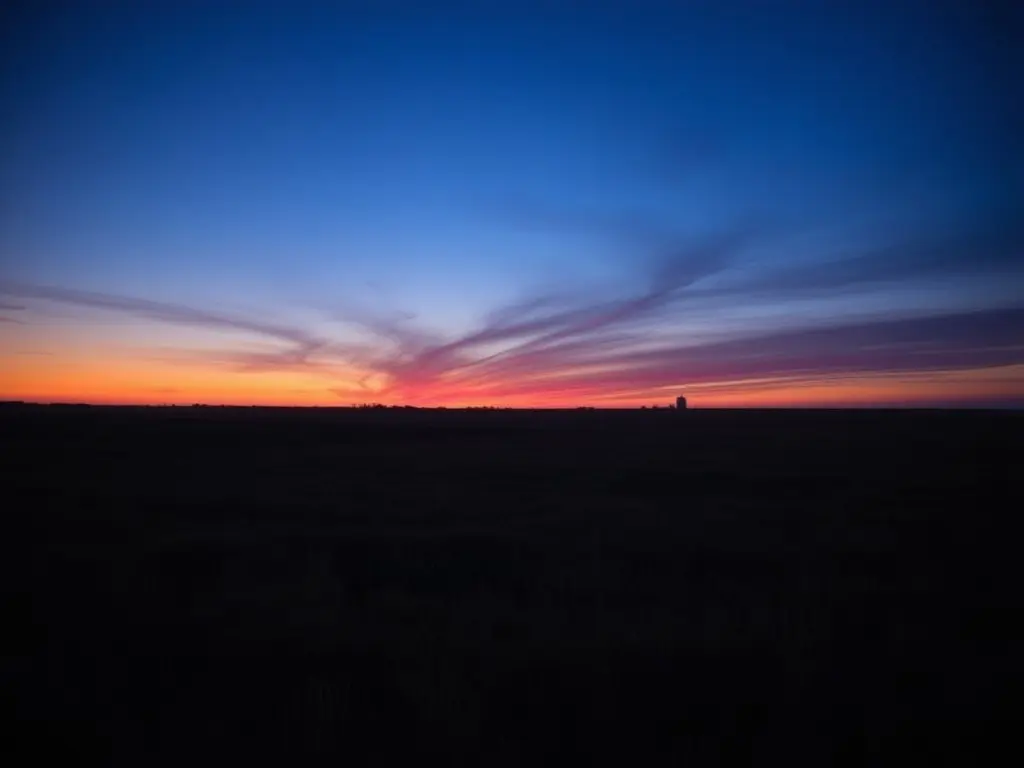
Tornadoes were reported in Kansas, Nebraska, Illinois, Iowa, and Missouri on Monday as violent storms swept the central U.S., with a 'particularly dangerous situation' watch issued for parts of Kansas and Nebraska until 8 p.m. local time. Over 100,000 homes and businesses lost power in the Great Lakes region, while forecasters warned of lingering risks for damaging winds, large hail, and flash floods in Texas and parts of the Midwest on Tuesday.
A series of intense storms swept across the central United States on Monday, producing tornadoes in Kansas, Nebraska, Illinois, Iowa, and Missouri. The Storm Prediction Center issued a rare 'particularly dangerous situation' watch for parts of Kansas and Nebraska, valid until 8 p.m. local time, signaling a high risk of severe tornadoes. By mid-evening, tornado warnings expanded eastward to Missouri and Iowa, though no widespread damage reports emerged immediately. Tens of millions of people from Texas to the Great Lakes faced severe weather risks, including hail, heavy rain, and destructive winds. Early storms knocked out power for over 100,000 homes and businesses across the Great Lakes region, while downed trees and power lines were reported in Michigan, Illinois, and Indiana. On Tuesday, the threat of severe weather persisted but decreased, with scattered thunderstorms expected from Texas to New England. The highest risks included damaging winds, large hail in Texas and the southern High Plains, and flash floods in Texas cities like Dallas, Austin, San Antonio, and Houston. Illinois, Indiana, and western Kentucky also faced flash flood risks due to saturated grounds from prior storms. The National Weather Service noted that while thunderstorms can occur year-round, they are most common in late afternoon and evening during warmer months. Unlike hurricanes or winter storms, thunderstorms are hyperlocal and short-lived, making them difficult to predict. Scientists have linked climate change to some extreme weather events but remain uncertain about its direct impact on tornado frequency or intensity. Researchers have observed tornadoes occurring in larger clusters and a potential eastward shift in Tornado Alley. Forecasters advised residents to stay informed and prepared for rapidly changing conditions.
This content was automatically generated and/or translated by AI. It may contain inaccuracies. Please refer to the original sources for verification.