Traditional Home Insurance Is Collapsing. Here’s What Could Fill the Gap
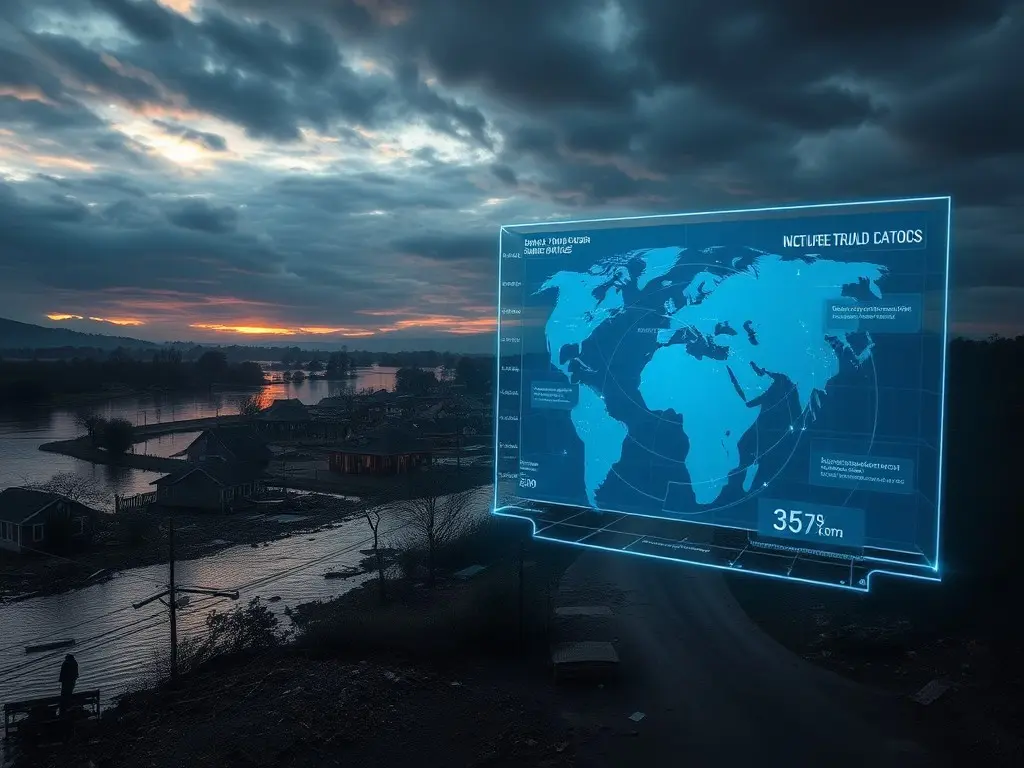
The 2019 Mississippi River floods devastated cities from Minnesota to Louisiana, exposing gaps in traditional insurance as relief funds and payouts arrived too late to prevent long-term damage. A parametric insurance model, using AI and satellite data to trigger rapid payouts when predefined disaster thresholds are met, is emerging as a potential solution for communities vulnerable to climate disasters.
The 2019 Mississippi River floods submerged entire towns, buckled infrastructure, and left residents stranded as historic rainfall overwhelmed drainage systems. Colin Wellenkamp, director of the nonprofit Mississippi River Cities & Towns Initiative, witnessed firsthand how cities struggled to respond within critical 72-hour windows, with limited funds and delayed insurance payouts worsening damage over time. Many businesses closed permanently, and some residents never returned, as public and private aid failed to bridge the immediate financial gap. Traditional insurance systems proved inadequate, with claims processing too slow or outright denied, leaving cities to shoulder compounding losses. Wellenkamp discovered parametric insurance—a model gaining traction in Africa and war zones—as a potential answer. Unlike conventional policies, parametric insurance relies on real-time data from sensors, satellites, and AI to trigger automatic payouts when specific disaster conditions (e.g., extreme rainfall or wind speeds) are met. This approach eliminates the need for damage assessments, allowing funds to reach affected areas within days rather than months. Contributions typically come from governments, nonprofits, and businesses invested in local resilience. The United Nations had previously discussed parametric insurance with Wellenkamp’s organization as part of broader disaster preparedness efforts. The 2019 floods highlighted the urgent need for faster, more adaptive financial tools in climate-vulnerable regions. Parametric insurance could fill critical gaps by ensuring immediate liquidity for recovery, particularly in areas where traditional systems fail to respond swiftly enough.
This content was automatically generated and/or translated by AI. It may contain inaccuracies. Please refer to the original sources for verification.