Trump defends ‘very powerful’ US strikes on Iran over downed Army helicopter
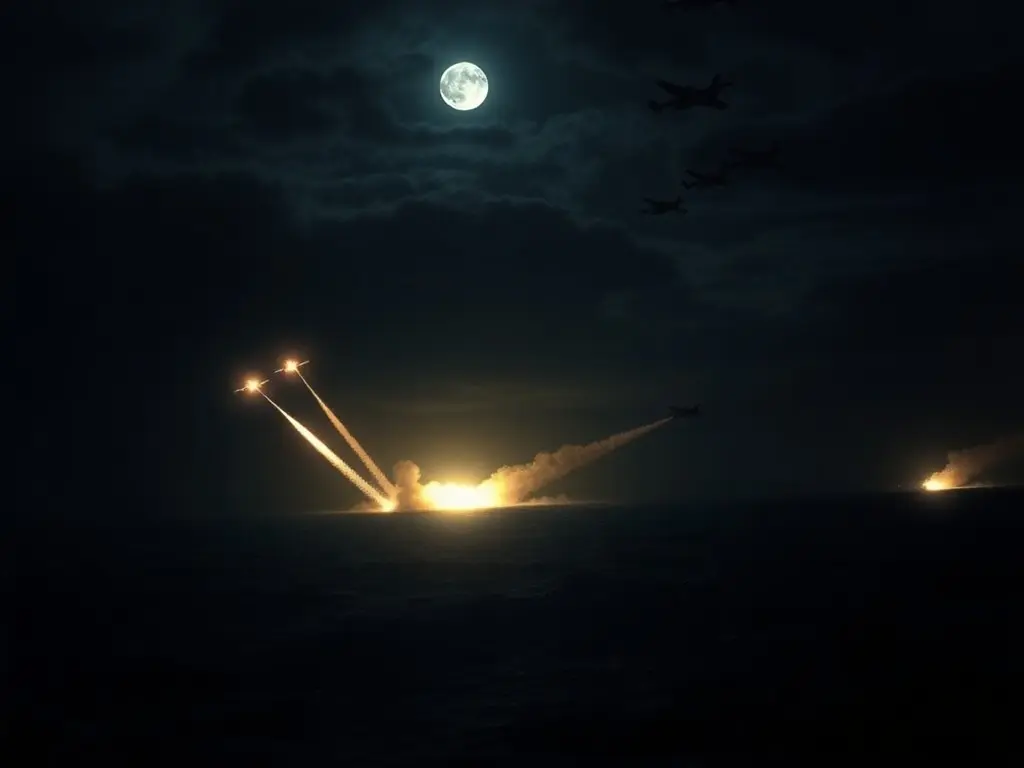
U.S. Central Command launched precision strikes on 20 Iranian targets, including air defense systems and radar sites near the Strait of Hormuz, in retaliation for the downing of a U.S. Army Apache helicopter. President Donald Trump defended the response as 'very powerful,' while Iranian Foreign Minister Seyed Abbas Araghchi vowed retaliation and warned U.S. forces to leave the region.
The United States conducted retaliatory airstrikes against Iran on Tuesday night following the downing of a U.S. Army Apache helicopter. U.S. Central Command (CENTCOM) confirmed that American forces, including U.S. Air Force and Navy fighter jets, targeted 20 Iranian sites, including air defense systems, ground control stations, and surveillance radar sites near the Strait of Hormuz. The operation used precision-guided munitions and was described as a proportional response to recent attacks on U.S. forces and international commercial ships in the region. President Donald Trump defended the strikes during an interview with ABC News, stating the response was 'very strong' and 'very powerful.' He emphasized that the action was a direct reaction to Iran’s downing of the helicopter. A senior U.S. official told Fox News that while the strikes had concluded, the situation remained 'active,' and U.S. forces were prepared for further Iranian retaliation. Iranian Foreign Minister Seyed Abbas Araghchi responded with a warning, vowing that Tehran would leave 'no attack or threat unanswered.' He urged U.S. forces to withdraw from the region, citing historical risks for foreign intruders. Earlier in the day, Araghchi had cautioned that foreign forces near Iran faced dangers from accidents or miscalculations. Republican Representative Scott Perry condemned the helicopter downing as unacceptable and stressed the need for consequences. He framed Iran as a hostile regime and reiterated that further aggression would face repercussions. The strikes contributed to a rise in oil prices, with Brent crude futures climbing nearly 1% to $92.29 per barrel, while U.S. West Texas Intermediate crude increased by 0.8% to $88.97. The market reaction reflected concerns over regional tensions and disruptions to oil supply routes.
This content was automatically generated and/or translated by AI. It may contain inaccuracies. Please refer to the original sources for verification.