Trump demands Iran’s uranium and no tolls on Hormuz ships
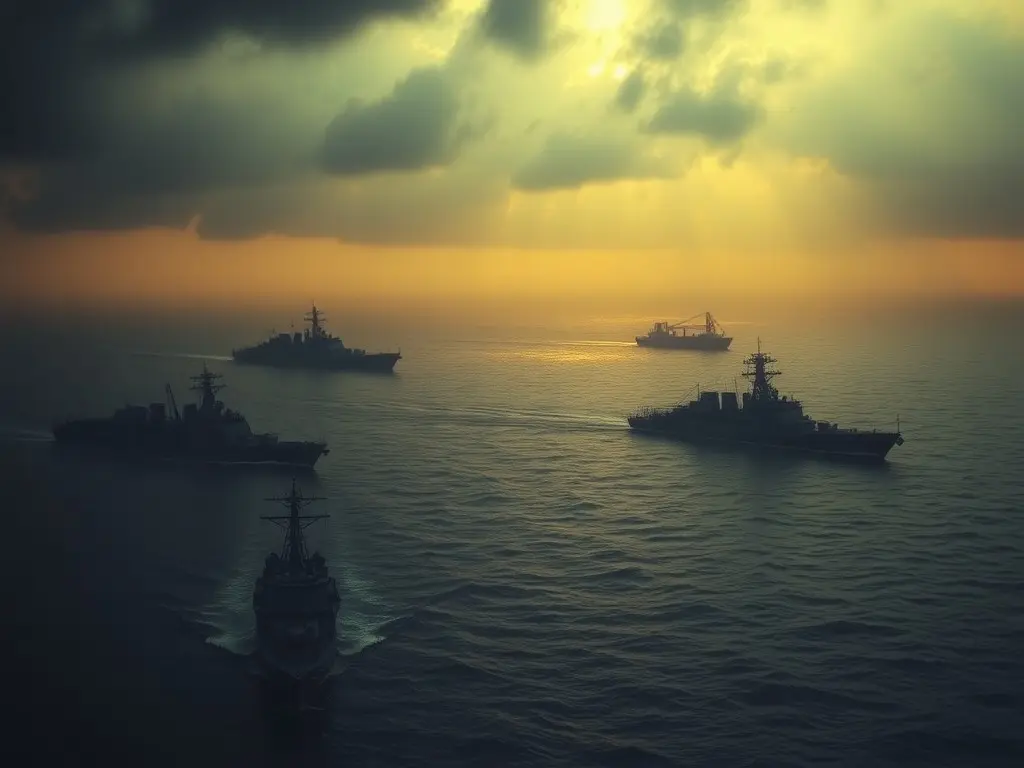
Former U.S. President Donald Trump reiterated demands for Iran to surrender its highly enriched uranium stockpile and reject tolls on ships using the Strait of Hormuz, calling it an international waterway. Iran’s Supreme Leader Ayatollah Mojtaba Khamenei has ordered the uranium not to be sent abroad, while Tehran insists on control of the strait and compensation for war damages, complicating Pakistani-led peace talks.
The U.S. and Iran remain deadlocked over Tehran’s uranium stockpile and control of the Strait of Hormuz, with little progress in Pakistani-led negotiations to end the conflict. Former U.S. President Donald Trump stated that the U.S. will seize Iran’s highly enriched uranium, which Washington claims is intended for nuclear weapons, despite Tehran’s assertion that it is for peaceful purposes. Trump also rejected Iran’s proposal to charge tolls for ships passing through the Strait of Hormuz, calling it an international waterway that must remain open and free. Iran’s Supreme Leader Ayatollah Mojtaba Khamenei has directed that the country’s uranium stockpile not be transferred abroad, according to senior Iranian sources. Meanwhile, Iran’s deputy foreign minister restated Tehran’s claim to sovereignty over the strait, citing U.S., Israeli, and regional aggression as justification for potential measures to secure its waters. Iran’s Revolutionary Guards have warned of retaliation if the U.S. resumes strikes, as Trump has threatened if Iran does not provide satisfactory answers. Six weeks after a fragile ceasefire, negotiations remain stalled, with Pakistan’s Army Chief Asim Munir reportedly preparing to travel to Tehran for further talks. Sources indicate that communication between parties is being streamlined, though Trump’s dwindling patience and domestic political pressure ahead of the November midterm elections add urgency. Oil prices surged today, with U.S. crude rising 3.22% to $101.42 per barrel and Brent crude up 2.54% to $107.71, reflecting global economic strain from the conflict. The International Energy Agency warned that the conflict has caused the world’s worst energy shock, with summer fuel demand and limited Middle East supply pushing markets into a critical "red zone" in July and August. Ship traffic through the Strait of Hormuz has plummeted from 125-140 daily passages pre-war to just 31 in the past 24 hours, as Iran coordinates with the Iranian navy to manage transit. Tehran has suggested reopening the strait to countries that comply with its demands, further escalating tensions.
This content was automatically generated and/or translated by AI. It may contain inaccuracies. Please refer to the original sources for verification.