Trump says Iran ceasefire is on ‘life support’ and proposes gas tax pause as strait stays closed
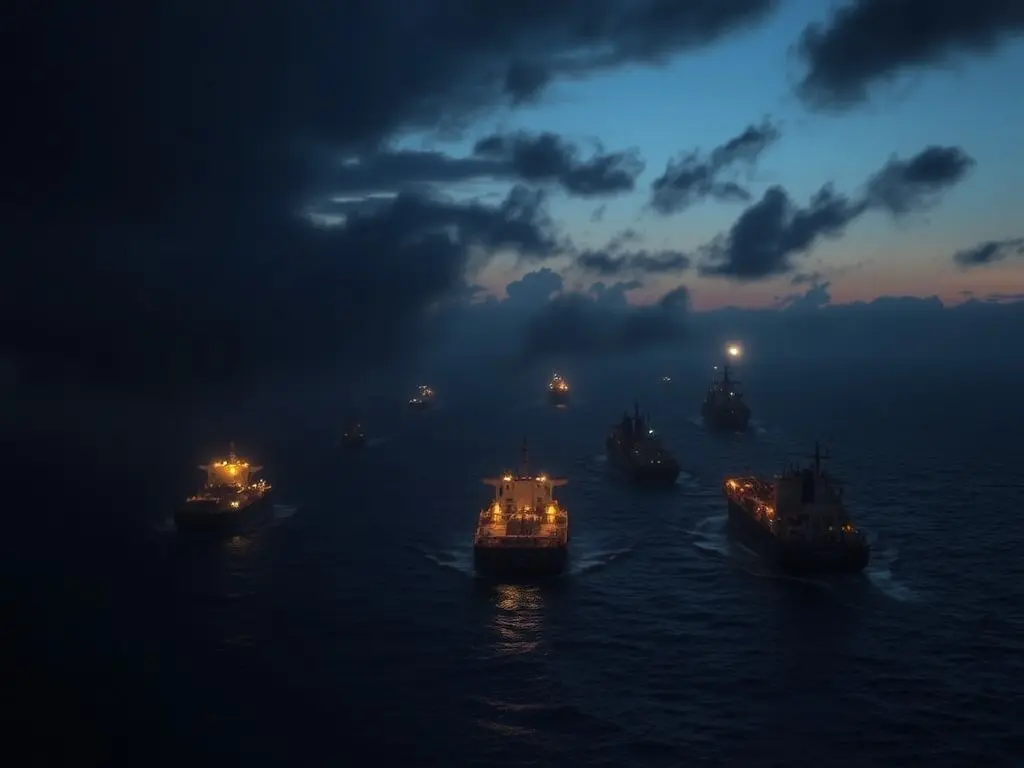
U.S. President Donald Trump criticized Iran’s latest ceasefire proposal as weak and said the agreement is on 'life support,' while also proposing a federal gas tax pause to ease rising fuel prices linked to the Middle East conflict. Iran’s offer included nuclear concessions but demanded U.S. recognition of its control over the Strait of Hormuz, a move experts say could violate international law, as tensions persist over the stalled diplomacy and blocked waterway." "article": "U.S. President Donald Trump dismissed Iran’s latest ceasefire proposal as inadequate, calling the agreement 'on life support' after rejecting Tehran’s latest offer, which officials said included some nuclear concessions. Trump also proposed suspending the federal gas tax—18.4 cents per gallon for gasoline and 24 cents for diesel—to help offset rising fuel prices, which have exceeded $4.50 per gallon due to the conflict. The tax generates over $23 billion annually, and congressional approval would be required. The stalled negotiations and recent military exchanges risk escalating the Middle East back into open warfare, prolonging the global energy crisis caused by Iran’s control over the Strait of Hormuz, a critical shipping route for oil and gas. Iran has effectively blocked the strait, allowing only limited passage and imposing tolls, while the U.S. maintains a blockade on Iranian ports. Trump claimed Iran initially offered to let the U.S. assist in removing its highly enriched uranium but later retracted the proposal. Two regional officials told the Associated Press that Iran has instead offered to dilute some of its enriched uranium and ship the rest to a third country, with Russia previously expressing willingness to accept it. Iran insists its nuclear program is peaceful and rejects demands to fully abandon uranium enrichment. Trump plans to use his upcoming trip to China to urge President Xi Jinping to pressure Iran, leveraging Beijing’s status as the largest buyer of Iranian sanctioned crude oil. Israeli Prime Minister Benjamin Netanyahu, who initiated the war on February 28, has stated that if negotiations fail, Israel and the U.S. could reengage militarily to remove Iran’s highly enriched uranium. Iran’s proposal also demanded U.S. recognition of its sovereignty over the Strait of Hormuz, formalizing its control over the waterway. Legal experts argue such a move would likely violate international law, further complicating diplomatic efforts. The conflict’s unresolved tensions continue to disrupt global energy markets and heighten regional instability.
U.S. President Donald Trump dismissed Iran’s latest ceasefire proposal as inadequate, calling the agreement 'on life support' after rejecting Tehran’s latest offer, which officials said included some nuclear concessions. Trump also proposed suspending the federal gas tax—18.4 cents per gallon for gasoline and 24 cents for diesel—to help offset rising fuel prices, which have exceeded $4.50 per gallon due to the conflict. The tax generates over $23 billion annually, and congressional approval would be required. The stalled negotiations and recent military exchanges risk escalating the Middle East back into open warfare, prolonging the global energy crisis caused by Iran’s control over the Strait of Hormuz, a critical shipping route for oil and gas. Iran has effectively blocked the strait, allowing only limited passage and imposing tolls, while the U.S. maintains a blockade on Iranian ports. Trump claimed Iran initially offered to let the U.S. assist in removing its highly enriched uranium but later retracted the proposal. Two regional officials told the Associated Press that Iran has instead offered to dilute some of its enriched uranium and ship the rest to a third country, with Russia previously expressing willingness to accept it. Iran insists its nuclear program is peaceful and rejects demands to fully abandon uranium enrichment. Trump plans to use his upcoming trip to China to urge President Xi Jinping to pressure Iran, leveraging Beijing’s status as the largest buyer of Iranian sanctioned crude oil. Israeli Prime Minister Benjamin Netanyahu, who initiated the war on February 28, has stated that if negotiations fail, Israel and the U.S. could reengage militarily to remove Iran’s highly enriched uranium. Iran’s proposal also demanded U.S. recognition of its sovereignty over the Strait of Hormuz, formalizing its control over the waterway. Legal experts argue such a move would likely violate international law, further complicating diplomatic efforts. The conflict’s unresolved tensions continue to disrupt global energy markets and heighten regional instability.
This content was automatically generated and/or translated by AI. It may contain inaccuracies. Please refer to the original sources for verification.