Trump signs voluntary executive order on artificial intelligence
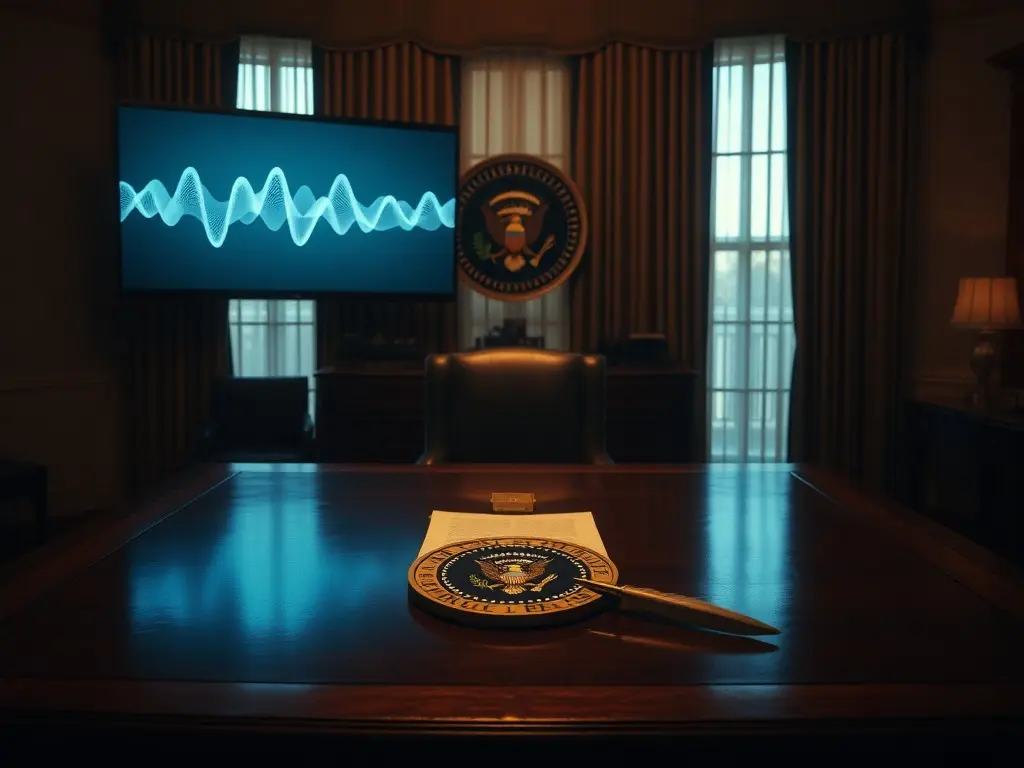
President Donald Trump signed a voluntary executive order on June 2 requiring AI companies to provide models for government testing up to 30 days before release, though it lacks mandatory licensing provisions. The order follows earlier opposition from tech leaders like Elon Musk and Mark Zuckerberg, who reportedly lobbied against a stricter 90-day testing proposal Trump initially considered in May.
President Donald Trump signed a voluntary executive order on June 2, directing AI companies to submit their models for government testing up to 30 days before public release. The order, described as voluntary, explicitly states it does not create mandatory licensing or preclearance requirements for AI development or distribution, including for frontier models—the most advanced systems available. The directive follows a scaled-back version of an earlier AI order Trump planned in May but did not sign, citing dissatisfaction with certain aspects. Reports suggest tech leaders, including Elon Musk and Mark Zuckerberg, had lobbied against the original proposal, which called for a 90-day testing window before model releases. The new order also tasks federal agencies, including the Department of Homeland Security, with establishing processes to evaluate AI capabilities and enhance cybersecurity defenses. This move coincides with AI firms like Anthropic, OpenAI, and SpaceX (which operates SpaceXAI) preparing for upcoming initial public offerings. Anthropic, which recently unveiled Claude Mythos Preview—a model specializing in cybersecurity—has faced friction with the Trump administration. The government previously blacklisted Anthropic’s products, labeling them a national security supply chain risk, though the company has sued to reverse the decision. The lawsuit remains unresolved. The executive order arrives as AI development accelerates, with companies expanding initiatives like Anthropic’s Project Glasswing, a cybersecurity-focused program announced alongside the new model. The voluntary nature of the order contrasts with broader debates over AI regulation, balancing industry collaboration with government oversight.
This content was automatically generated and/or translated by AI. It may contain inaccuracies. Please refer to the original sources for verification.