Trump Turns Taiwan Arms Sales Into Bargaining Chip With China
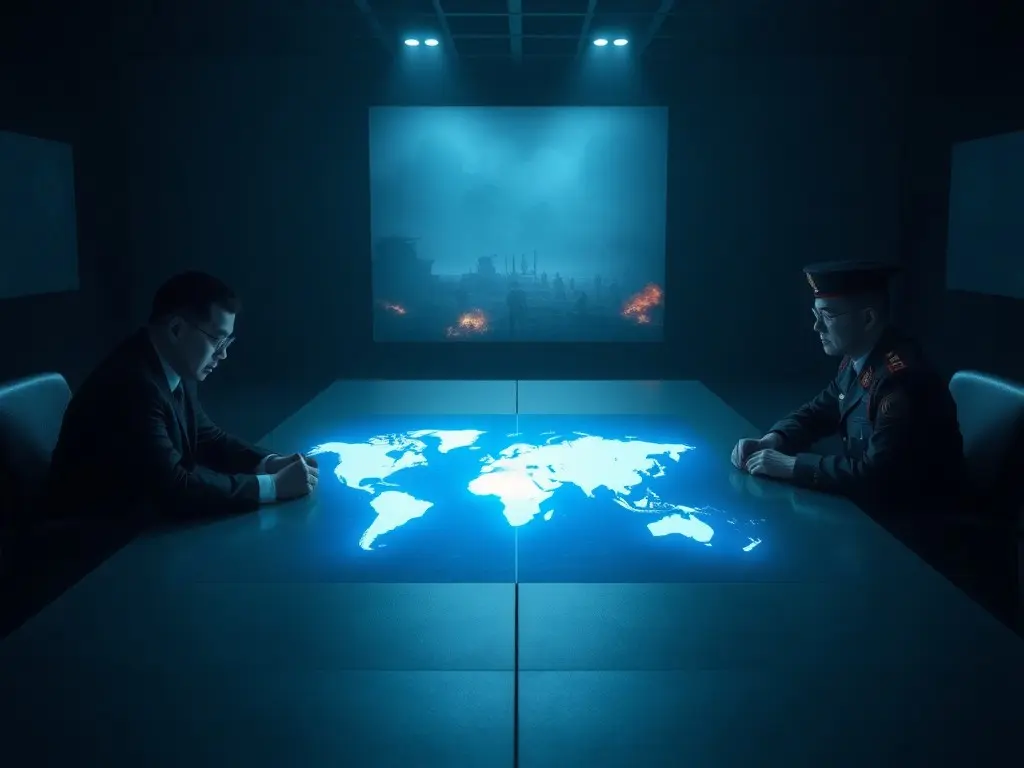
President Trump framed a $14 billion U.S. arms package to Taiwan as a 'negotiating chip' with China, delaying approval and linking it to economic demands like Chinese purchases of American goods. His comments contradicted bipartisan U.S. assurances of steadfast Taiwan support and followed warnings from China’s President Xi Jinping that the Taiwan issue is critical to bilateral relations.
President Trump has conditioned a $14 billion U.S. arms sale to Taiwan—including missiles, anti-drone systems, and air-defense technology—on China’s willingness to negotiate economic concessions. During a Fox News interview after his Beijing summit with President Xi Jinping, Trump stated the deal was 'a very good negotiating chip,' adding its approval 'depends on China.' He did not specify demands but has previously pressured Beijing to buy more American aircraft, ethanol, soybeans, beef, and sorghum. Trump’s remarks contradict earlier assurances from his administration and bipartisan U.S. senators that Taiwan’s security is nonnegotiable. A group of lawmakers had warned against using arms sales as leverage with China. Analysts, including Eurasia Group’s Amanda Hsiao, now suggest the package may be indefinitely delayed to secure economic gains. China’s President Xi Jinping emphasized during the summit that the 'Taiwan issue is the most critical issue in China-U.S. relations,' warning missteps could endanger the entire bilateral relationship. Trump claimed he now understands Taiwan’s situation better than almost any other country but also hinted at potentially calling Taiwan’s President Lai Ching-te, a move likely to provoke Beijing. Taiwan’s government responded by reiterating gratitude for Trump’s support and stating it remains committed to defense cooperation with the U.S., unlike neighboring countries. The island’s office said it has received repeated assurances from U.S. officials that policy toward Taiwan remains unchanged. However, Trump’s comments have introduced uncertainty, raising concerns about the reliability of U.S. backing amid escalating tensions with China.
This content was automatically generated and/or translated by AI. It may contain inaccuracies. Please refer to the original sources for verification.