Trump vs Oman: Why US is threatening Muscat amid Iran, Strait of Hormuz talks
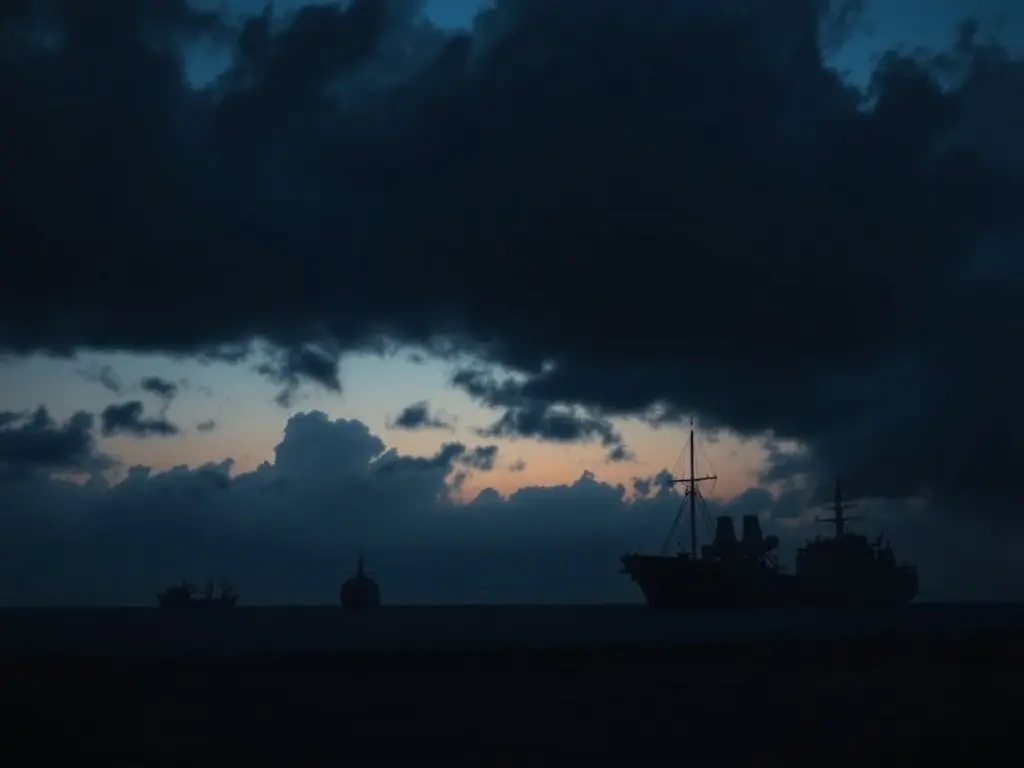
Donald Trump threatened to 'blow up' Oman if it proceeded with Iran to impose fees on ships passing through the Strait of Hormuz, calling the waterway an international route that must remain free. Oman has reportedly shifted stance to discuss revenue-sharing from a proposed fee system, while Iran insists the strait remains under its management, despite Trump’s claims of a negotiated agreement with Iran and other countries.
Donald Trump escalated tensions with Oman after reports emerged that Muscat was negotiating with Iran to establish a fee system for ships transiting the Strait of Hormuz. During a press conference, Trump dismissed the idea outright, stating the strait must remain open to all without tolls or restrictions. When pressed on Oman’s role, he warned, 'Oman will behave just like everyone else, or we'll have to blow them up.' Trump claimed on social media that an agreement involving the U.S., Iran, and other countries had been 'largely negotiated,' including provisions to reopen the Strait of Hormuz. However, Iranian officials denied handing over control or enriched uranium stockpiles, with Fars news agency asserting the strait would remain under Tehran’s management. Iran’s Persian Gulf Strait Authority announced plans to require permits for vessels passing through the strait, framing the move as 'fees' rather than illegal 'tolls' to comply with international law. Oman initially rejected the proposal but later signaled willingness to engage, citing potential economic benefits and offering to leverage its influence with Gulf allies and the U.S. The Trump administration has vehemently opposed any fee system, with Trump reiterating, 'We want it free. It’s an international waterway.' U.S. Secretary of State Marco Rubio was referenced in the original text but not quoted; no further details on his stance were provided in the source. The dispute highlights broader tensions over maritime control in the region, where the Strait of Hormuz is a critical chokepoint for global oil trade. Oman’s reported shift reflects a pragmatic approach to potential revenue, though the U.S. and Iran’s conflicting narratives leave the outcome uncertain.
This content was automatically generated and/or translated by AI. It may contain inaccuracies. Please refer to the original sources for verification.