Trump's China visit: How Xi Jinping outmanoeuvred the US President in Beijing
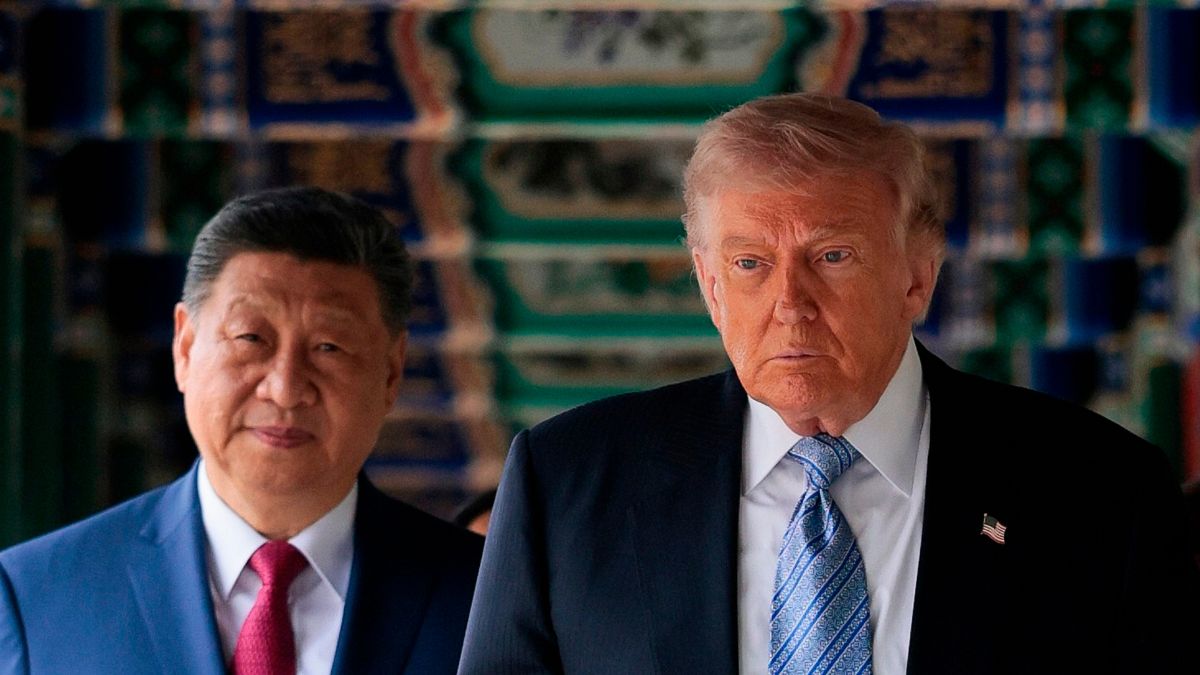
US President Donald Trump’s two-day summit in Beijing with Chinese President Xi Jinping highlighted stark contrasts in diplomatic style and strategic priorities, with Xi reinforcing China’s superpower stance while Trump focused on personal rapport and economic deals. The visit omitted key issues like human rights and climate change, but Taiwan emerged as the central tension, with Xi warning against US support for the island and framing the relationship through the 'Thucydides Trap' narrative of rising-power rivalry.
US President Donald Trump’s visit to China in May 2026 showcased a sharp contrast between his transactional diplomacy and Xi Jinping’s strategic assertiveness. Unlike Trump’s combative rhetoric toward China during campaigns, he adopted a deferential tone, praising Xi as a ‘great leader’ and engaging with Beijing’s elaborate ceremonial displays, including military parades and lavish receptions. Xi, however, maintained a restrained, calculated demeanor, reinforcing China’s image as an equal superpower. The summit’s absence of discussions on human rights, democratic freedoms, or climate cooperation reflected both Trump’s priorities and the deteriorating US-China relations. The visit included symbolic gestures like a trip to the Temple of Heaven and a state banquet, but substantive progress was limited. Trump invited Xi to the White House in September, yet the two nations’ official statements diverged sharply. China emphasized Taiwan as an uncrossable ‘red line’ and warned of direct confrontation if the issue is mishandled, framing US support for Taiwan as a threat to ‘strategic stability.’ The White House, meanwhile, focused on trade, agricultural purchases, and fentanyl trafficking, omitting Taiwan entirely. Taiwan dominated the strategic fault line beneath the summit’s cordial surface. Xi invoked the ‘Thucydides Trap,’ cautioning that rivalry between a rising power (China) and an established one (the US) risks war. His remarks underscored Beijing’s growing concern over deepening US-Taiwan ties and military tensions in the Indo-Pacific. Trump’s emphasis on personal diplomacy and economic deals clashed with Xi’s long-term strategic messaging, revealing a widening gap in priorities. Trump also sought China’s help in stabilizing the Strait of Hormuz amid Iran’s disruptions, leveraging Beijing’s role as Iran’s largest trading partner. While Trump claimed Xi agreed not to provide military aid to Iran, China’s cooperation appeared conditional, with no indication of curbing oil purchases or weakening Tehran. Analysts suggest Beijing expects concessions elsewhere, as both nations oppose a US-dominated regional order. The summit’s outcomes underscored the limits of transactional diplomacy in addressing deeper geopolitical tensions.
This content was automatically generated and/or translated by AI. It may contain inaccuracies. Please refer to the original sources for verification.