Trump’s Hormuz blockade: Another nail in the coffin of the rules-based order
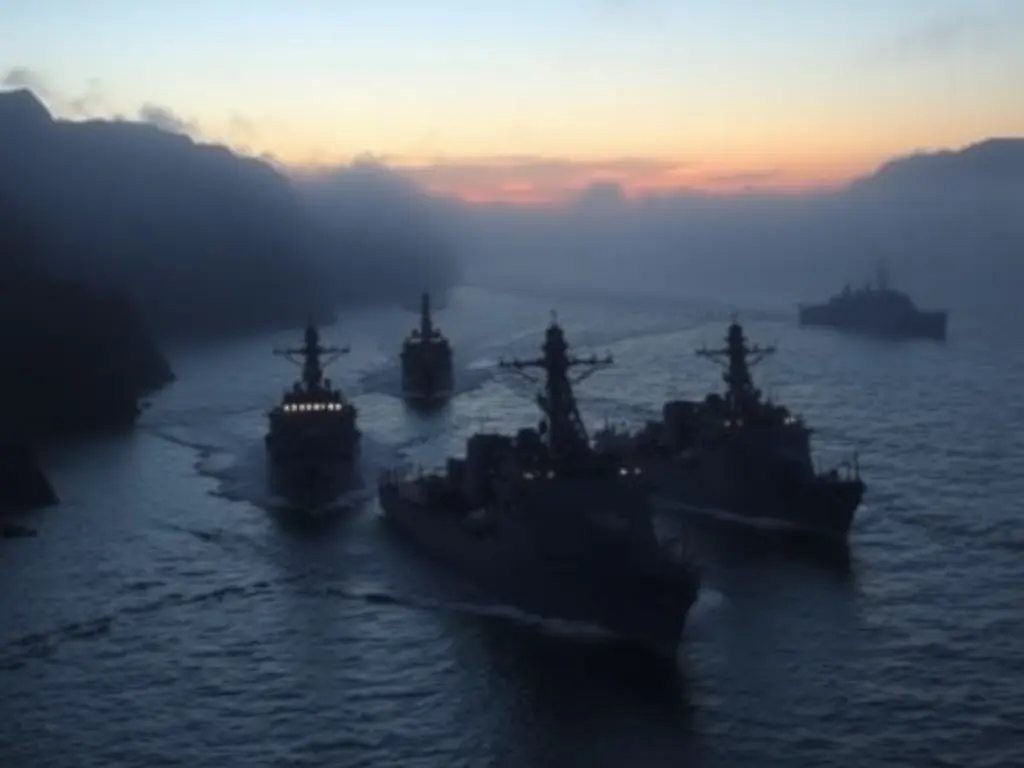
US President Donald Trump announced a naval blockade of the Strait of Hormuz on April 13, effective April 14, in response to collapsed peace talks with Iran. The blockade's enforcement is complicated by Iran's 1,340-mile coastline and tactics like AIS spoofing to evade detection.
US President Donald Trump announced on April 13 that the US Navy would blockade the Strait of Hormuz, effective 10 am Eastern time on April 14. The move followed the collapse of peace talks brokered by Pakistan after 21 hours of negotiations. Under the San Remo Manual, belligerents may impose blockades, and the US can legally blockade Iranian ports. However, the enforcement is complicated, with CENTCOM stating that the specifics are 'in development'. The US has 16 warships in place, and any vessel entering or departing without authorization is 'subject to interception, diversion and capture'. Iran's coastline stretches 1,340 miles, making enforcement challenging. Iran has also employed tactics like AIS spoofing to evade detection. Analysts estimate Iran may be forced to curb production within 10-20 days of a fully effective blockade.
This content was automatically generated and/or translated by AI. It may contain inaccuracies. Please refer to the original sources for verification.