Trump's recent feuds with allies can create diplomatic hostilities that outlast Iran war
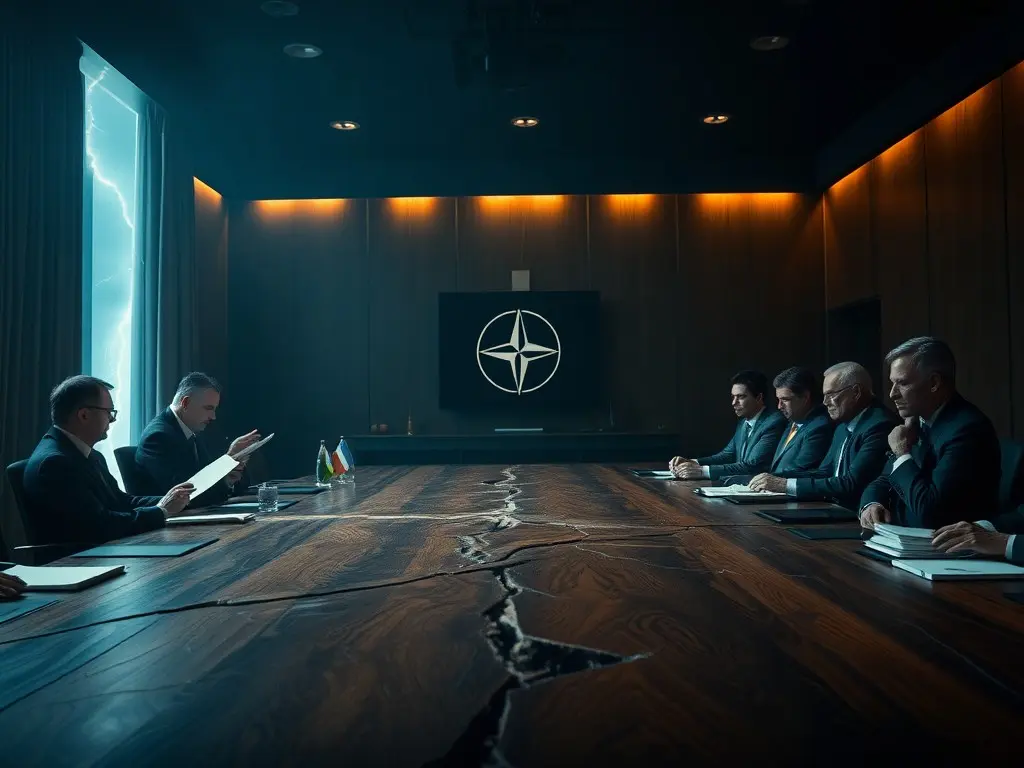
President Donald Trump’s troop reductions in Germany, threats to cut forces in Europe, and criticism of allies over Iran war support have deepened diplomatic tensions, prompting allies like Germany, Italy, and Spain to reconsider US reliability. Analysts warn his actions risk permanently damaging transatlantic alliances, including NATO, while adversaries like China and Russia seek to exploit the instability.
President Donald Trump’s recent decisions—including withdrawing 5,000 US troops from Germany and threatening to reduce forces in Italy and Spain—have intensified diplomatic strains with key allies amid the ongoing conflict with Iran. His criticism of allies for not fully supporting US operations, including denying requests to use military bases in Europe, has reignited fears of US unreliability in future crises. The Pentagon also canceled a planned deployment of Tomahawk cruise missiles to Germany after Chancellor Friedrich Merz publicly criticized Iran’s actions, further escalating tensions. Trump’s rhetoric, including threats to suspend Spain’s NATO membership and question Britain’s claim to the Falkland Islands, has prompted European governments to accelerate defense cooperation and reduce reliance on the US. Analysts, such as Brett Bruen of the Situation Room consultancy, argue Trump’s erratic conduct undermines US credibility, particularly as NATO faces growing skepticism over its mutual defense commitments. The conflict with Iran has exacerbated divisions, with Trump accusing allies of failing to support US strikes on February 28, which Iran retaliated against by closing the Strait of Hormuz, disrupting global energy markets. European nations, already bearing economic losses from the war, have responded by strengthening their own defense capabilities and joint weapons development. Trump’s broader foreign policy approach, including tariffs on allies, demands for Greenland’s transfer from Denmark, and reduced military aid to Ukraine, has further strained relations. His public attacks on leaders like British Prime Minister Keir Starmer—whom he called “not Winston Churchill”—and threats of tariffs on UK imports have deepened the rift. While the White House insists Trump has ‘restored America’s standing’ and will not tolerate perceived unfair treatment, European officials are increasingly hedging bets, prioritizing self-sufficiency in defense and diplomacy. The long-term impact remains uncertain, but analysts suggest Trump’s policies may reshape global alliances beyond the Iran war’s immediate aftermath.
This content was automatically generated and/or translated by AI. It may contain inaccuracies. Please refer to the original sources for verification.