TSMC says AI demand affecting supply
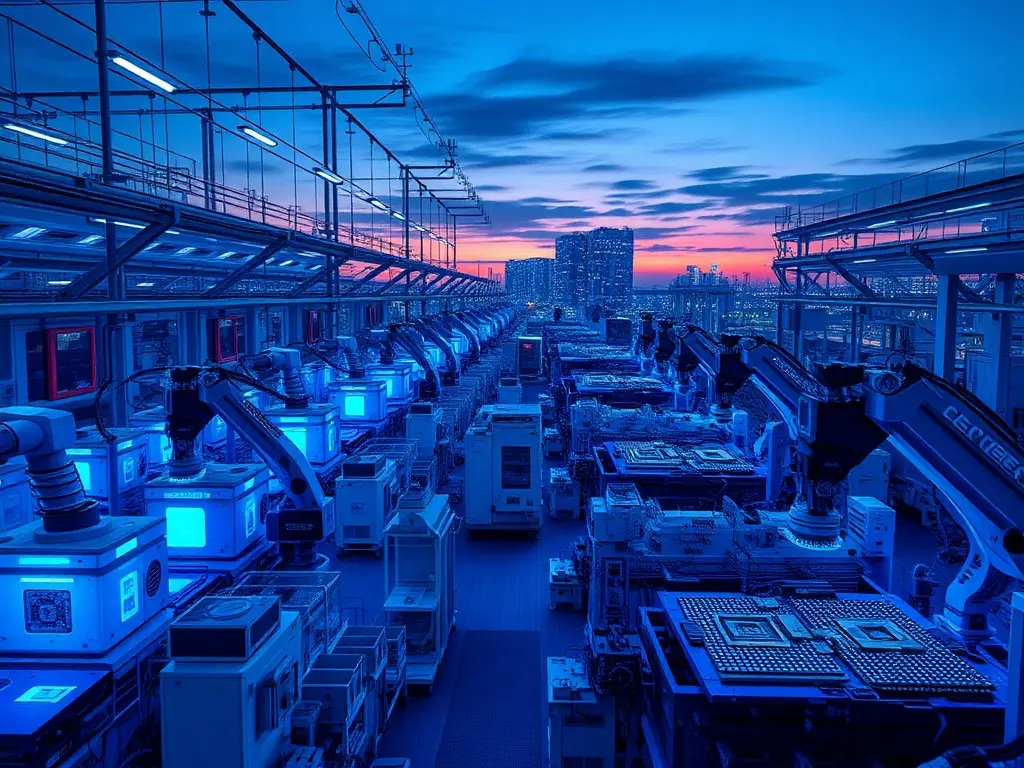
TSMC chairman C.C. Wei stated that surging AI chip demand has caused supply shortages, prompting accelerated capacity expansions to prevent bottlenecks. Wei dismissed concerns about South Korea overtaking Taiwan’s AI supply chain dominance, citing Taiwan’s competitive advantages and long-term industry strength.
Taiwan Semiconductor Manufacturing Co (TSMC) announced that explosive demand for AI chips has created widespread supply constraints, forcing the company to accelerate capacity expansions. Chairman C.C. Wei highlighted that customer demand has grown at an unprecedented pace this year, outstripping production capacity. He noted that shortages extend beyond chips to manufacturing equipment, with component delays from suppliers exacerbating the issue. The AI industry’s rapid expansion has exposed weaknesses in the broader supply ecosystem, including logic chips, memory, packaging, testing, cooling systems, and power supplies. Wei acknowledged that supply restrictions are pervasive but predicted the market would eventually balance, as vendors like PC manufacturers may adjust hardware specifications to manage shortages. TSMC remains confident in Taiwan’s ability to maintain its competitive edge in AI, despite South Korea’s ambitions to replicate its ecosystem. Wei pointed to Taiwanese companies like Hon Hai Precision Industry, Asustek Computer, and Wistron as key pillars of the industry, arguing that no country can quickly match Taiwan’s advantages. He dismissed Samsung Electronics’ goal of surpassing TSMC by 2030 as unrealistic, citing the company’s repeated failures to meet similar targets over the past two decades. Wei also addressed competition from Intel, noting the U.S. company remains one of TSMC’s top 10 customers and that the partnership will continue. He emphasized TSMC’s long history of outpacing competitors, stating that the future would follow the same trend. The company reported a record year in 2023, with its stock more than doubling and dividends rising over 30% to at least NT$24 per share for 2024.
This content was automatically generated and/or translated by AI. It may contain inaccuracies. Please refer to the original sources for verification.