Turning medicine policy into real patient access
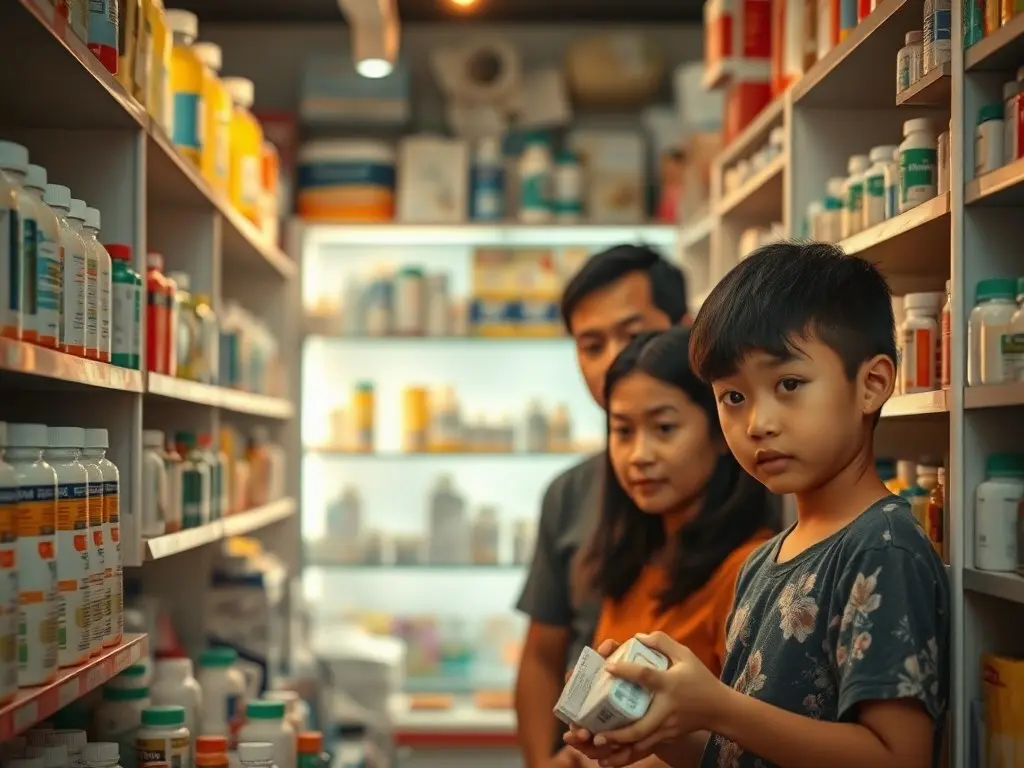
High out-of-pocket expenses for medicines remain a major barrier to healthcare access in the Philippines, with households shouldering 44.4% of total health spending in 2023. The Philippine government has taken steps to improve affordability, including exempting selected medicines from value-added tax and launching the Yaman ng Kalusugan Program para Malayo sa Sakit (YAKAP) to reduce out-of-pocket costs.
High out-of-pocket expenses for medicines remain a major barrier to healthcare access in the Philippines. In 2023, households shouldered 44.4% of total health spending, with medicines accounting for roughly 46% of out-of-pocket expenditures. The Philippine government has taken steps to improve affordability, including exempting selected medicines from the 12% value-added tax (VAT) through the Tax Reform for Acceleration and Inclusion (TRAIN) Law and the Corporate Recovery and Tax Incentives for Enterprises (CREATE) Act. The Universal Health Care (UHC) Act further strengthens financial protection by institutionalizing access to essential health services, including medicines. The YAKAP program, launched in July 2025, consolidates primary care services into a more comprehensive package, aiming to reduce reliance on hospital-based treatment. Strengthening the Health Technology Assessment (HTA) process is critical to ensuring timely access to innovative medicines.
This content was automatically generated and/or translated by AI. It may contain inaccuracies. Please refer to the original sources for verification.