Two summits, one capital
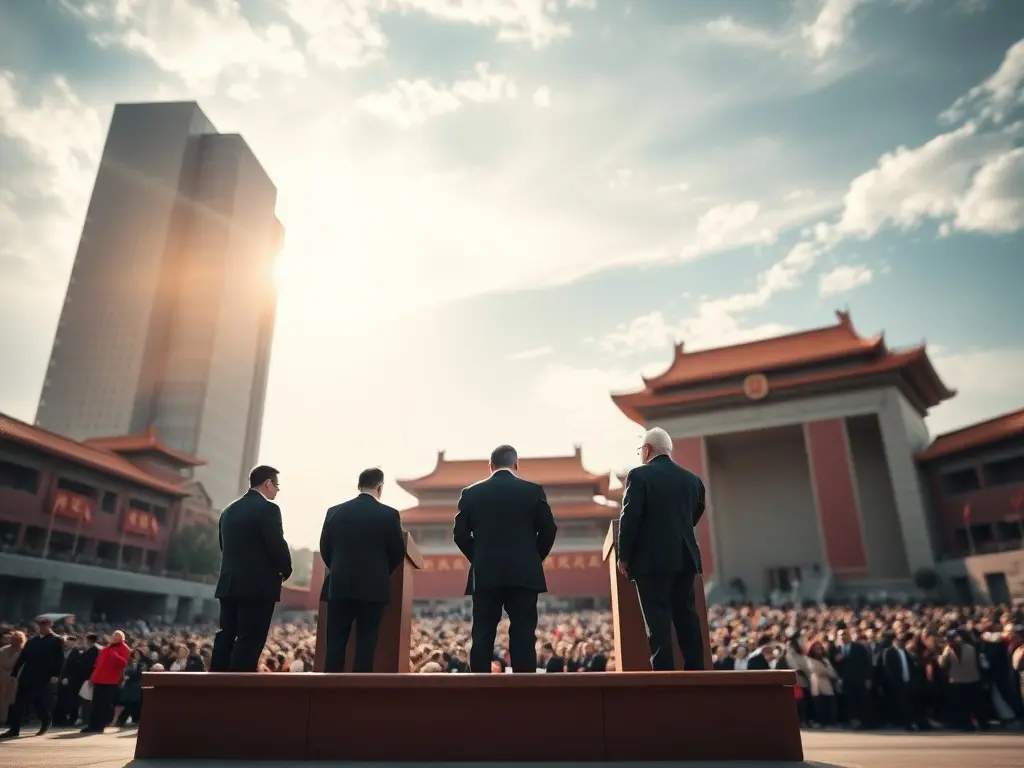
Beijing hosted back-to-back summits with U.S. President Trump and Russian President Putin in May 2026, marking an unprecedented diplomatic shift where both superpowers sought Chinese influence to address their crises. The U.S. faced domestic inflation and Middle East overreach, while Russia grappled with Western sanctions and Ukraine war strain, forcing both to rely on China’s strategic leverage for solutions.
China’s capital, Beijing, became the unlikely epicenter of global power dynamics in May 2026 when it hosted two major summits within a week, a first in modern diplomacy. U.S. President Trump and Russian President Putin both traveled to Beijing, arriving in a posture of strategic dependence on China, a rare reversal for two nations accustomed to setting global terms. The U.S. delegation arrived under pressure from domestic inflation, which had eroded purchasing power and threatened electoral prospects ahead of midterm elections. Abroad, America’s prolonged standoff with Iran drained military resources without resolution, forcing Trump to seek Chinese diplomatic and economic coordination to ease tensions and stabilize supply chains. Russia’s visit followed a campaign of Western containment, including sanctions and trade restrictions, which crippled its economy and prolonged the costly Ukraine war. Putin’s delegation sought Chinese support to mitigate these pressures, underscoring Moscow’s growing reliance on Beijing amid isolation. The back-to-back summits highlighted China’s rising centrality in global affairs, as both superpowers—once rivals—now pursued Beijing’s favor to address their crises. For a fleeting moment, the familiar bipolar world order yielded to a triangular dynamic, with China holding unprecedented sway over the destinies of competing powers.
This content was automatically generated and/or translated by AI. It may contain inaccuracies. Please refer to the original sources for verification.