Uber CEO: Is AI Really Improving People’s Lives?
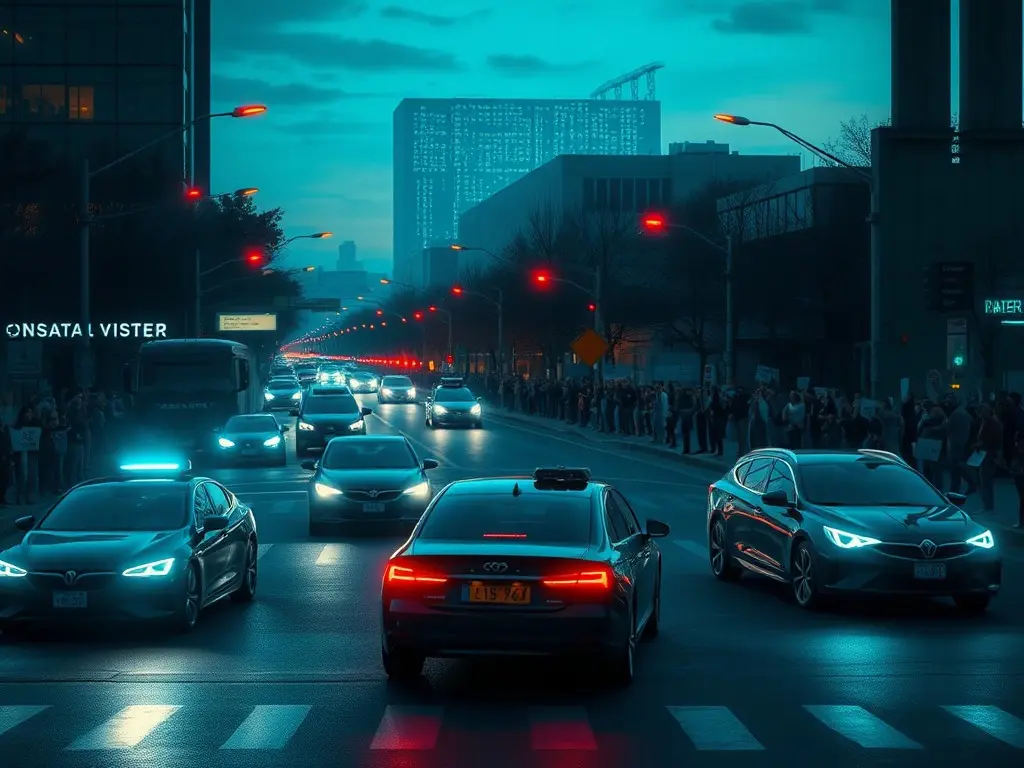
Uber CEO Dara Khosrowshahi questioned whether AI is genuinely improving lives, citing public skepticism and environmental concerns over data centers, while also discussing Uber’s cautious approach to driverless cars. He noted that widespread adoption of autonomous vehicles will take two generations due to cost and safety challenges, despite their potential benefits.
Uber CEO Dara Khosrowshahi expressed skepticism about artificial intelligence’s real-world impact during Expedia’s Explore partner conference. He challenged the industry’s widespread enthusiasm, arguing that AI’s societal benefits are often overstated and under-discussed. Khosrowshahi pointed to recent public backlash, such as reactions to Eric Schmidt’s commencement speech, and raised concerns about the environmental toll of AI infrastructure, including the rapid expansion of data centers. At the same event, Expedia CEO Ariane Gorin echoed Khosrowshahi’s concerns, highlighting growing unease over AI’s broader implications. Khosrowshahi emphasized that while AI-driven advancements like driverless cars could improve safety, their adoption faces significant hurdles. He predicted that widespread use of autonomous vehicles would require two generations due to high costs and regulatory challenges. Uber’s strategy for integrating driverless technology remains focused on safety, but Khosrowshahi acknowledged the practical barriers to scaling such solutions. The discussion underscored a broader tension between technological optimism and public skepticism about AI’s long-term value. Both executives stressed the need for a more balanced conversation about AI’s role in society beyond industry hype.
This content was automatically generated and/or translated by AI. It may contain inaccuracies. Please refer to the original sources for verification.