UK Cyberspying Chief Calls AI ‘an Unstoppable Force’ and Warns About Russia
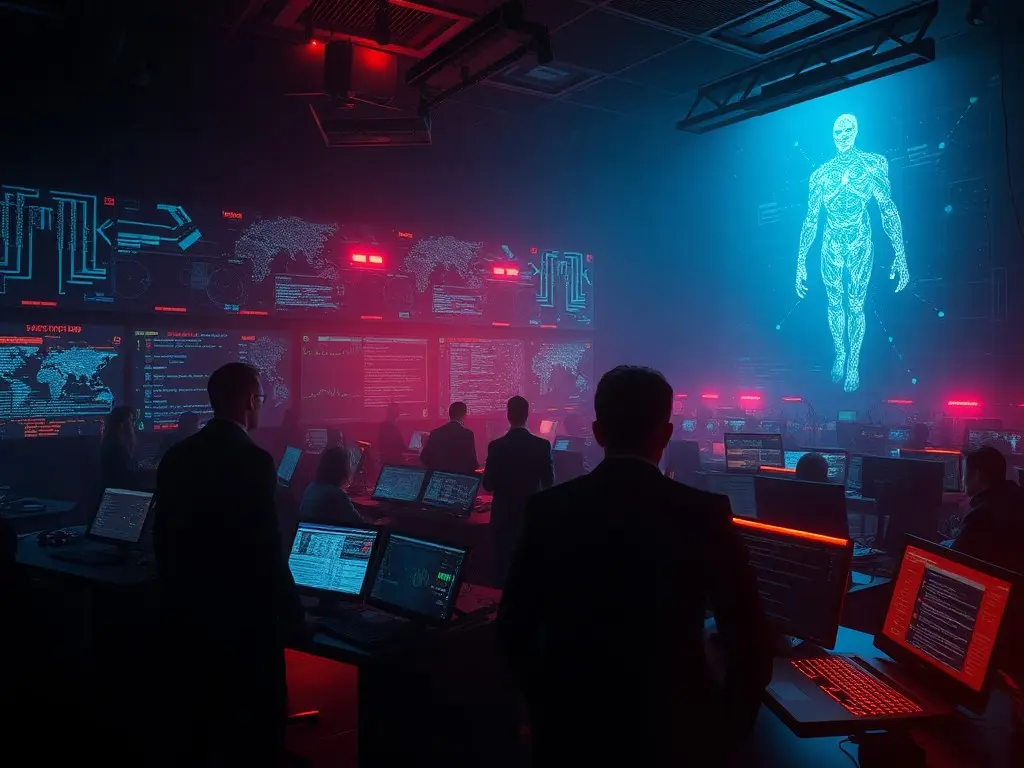
Anne Keast-Butler, director of Britain’s GCHQ, warned that AI is an 'unstoppable force' being weaponized by Russia in hybrid warfare, urging urgent cybersecurity measures to avoid losing the conflict in cyberspace. She highlighted Russia’s relentless targeting of critical infrastructure, democratic processes, and supply chains while emphasizing the need for global cooperation and AI-driven cyber defenses.
Britain’s cyberspying chief, Anne Keast-Butler, director of the Government Communications Headquarters (GCHQ), delivered a stark warning about artificial intelligence’s role in modern warfare. Speaking at a World War II code-breaking center near London, she described AI as an 'unstoppable force' with both opportunities and risks, particularly as adversaries weaponize it just below traditional warfare thresholds. Keast-Butler emphasized that Russia is escalating 'daily hybrid activity' against the UK and Europe, targeting critical infrastructure like energy pipelines and cables, while also stealing technology and plotting sabotage. The GCHQ director stressed the urgency of treating cybersecurity as a top priority, warning that the West risks losing the cyber conflict if citizens, companies, and governments fail to act swiftly. She cited Russia’s relentless attacks on democratic processes, supply chains, and public trust, noting that Russian combat deaths in Ukraine have surpassed 500,000 since the February 2022 invasion. Keast-Butler’s remarks align with recent warnings from Western intelligence agencies, including Sweden, Poland, Denmark, and Norway, where Russian-linked hackers have targeted critical infrastructure like power plants and dams. GCHQ is developing plans to integrate 'cutting-edge agentic AI' into cyber defenses to counter threats at machine speed, enhancing capabilities like language translation and threat detection. However, Keast-Butler cautioned that rapid AI advancements are shifting the global security landscape, narrowing the window for the UK and allies to stay ahead of rivals like China, a 'science and technology superpower.' She urged a collective effort from governments, businesses, and individuals to make cybersecurity '10 times more urgent.' The speech also highlighted the fragility of international partnerships, particularly the UK-U.S. intelligence alliance, amid strains caused by policies like Donald Trump’s 'America First' approach. Keast-Butler underscored that the UK-U.S. collaboration remains 'fundamental' to the security of both nations, even as geopolitical tensions rise. Her warnings follow recent alerts from the UK’s National Cyber Security Centre, which identified Russia, China, and Iran as primary threats behind serious cyberattacks, with risks escalating if Britain becomes involved in broader conflicts.
This content was automatically generated and/or translated by AI. It may contain inaccuracies. Please refer to the original sources for verification.