Ukraine keeps up assault on Russian oil sites as Kyiv expects more strikes
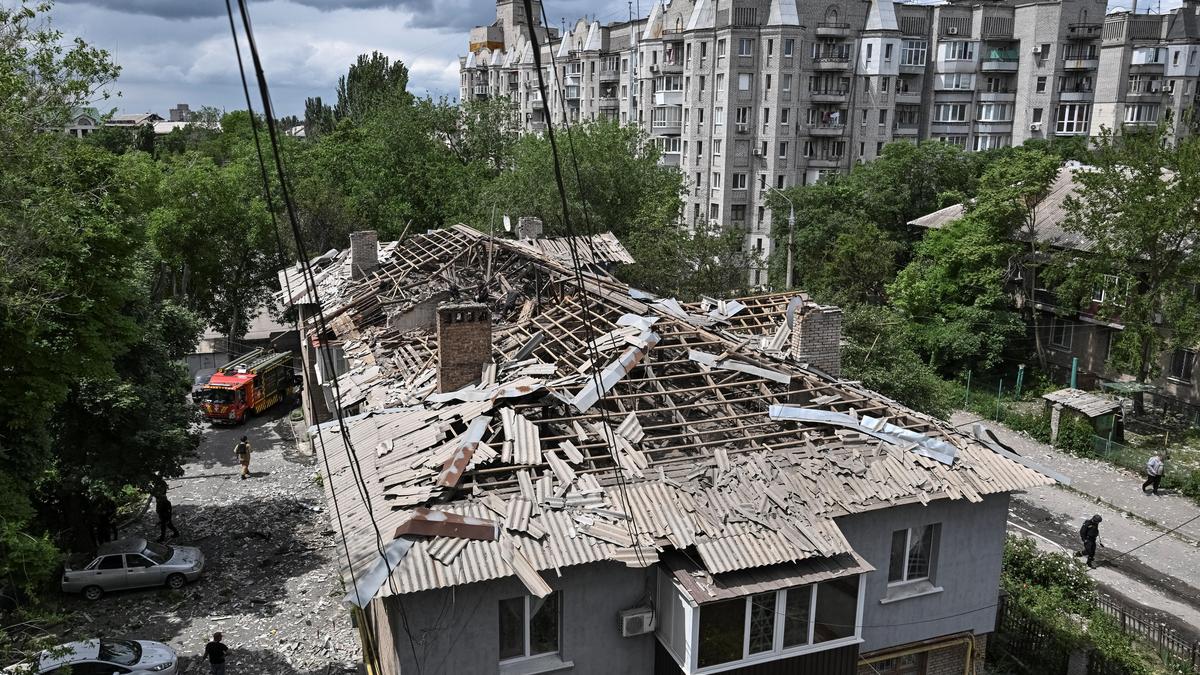
Ukrainian drone strikes on May 30, 2026, targeted Russian oil facilities in Taganrog and Armavir, causing fires and damaging infrastructure, as Kyiv escalates attacks on Moscow's oil industry. Ukrainian President Volodymyr Zelenskyy emphasized the strikes’ strategic intent while also pressing the U.S. for more Patriot air defense missiles amid Russian threats of systemic strikes on Kyiv and a recent drone incident in Romania.
Ukrainian drone strikes overnight into May 30, 2026, hit Russian oil facilities in two regions, causing fires and damage. In Rostov’s Taganrog port, drone debris sparked a blaze at an oil depot and tanker, while Krasnodar’s Armavir saw a similar fire at an oil storage site. Ukrainian President Volodymyr Zelenskyy confirmed the attacks on X, calling Armavir a target 500 kilometers from Ukraine’s border and stating the strikes bring the war back to its origin. The assaults mark another escalation in Kyiv’s expanded mid- and long-range strike capabilities, developed domestically to counter Russia’s four-year invasion. Russian oil infrastructure, critical to funding the war, has faced near-daily attacks, while Moscow retaliates with missile strikes on Ukraine’s power grid and cities. Zelenskyy reiterated his push for U.S. Patriot air defense systems to counter devastating Russian ballistic missile attacks, warning of upcoming ‘systemic strikes’ on Kyiv. The strikes followed a Russian drone attack on May 29 that struck an apartment building in eastern Romania, injuring two people and raising concerns about NATO border involvement. The incident drew European condemnation amid fears of broader conflict spillover. Separately, Russia’s state-owned nuclear energy company Rosatom reported a Ukrainian drone strike on the Zaporizhzhia nuclear power plant, controlled by Russia since early in the invasion. The attack created a hole in a turbine hall’s wall but caused no damage to key equipment, Rosatom CEO Alexei Likhachev said. The plant, Europe’s largest, remains offline but requires power to cool its reactors and spent fuel, mitigating risks of a nuclear incident. The International Atomic Energy Agency has repeatedly warned about the plant’s safety, highlighting its precarious operational conditions under Russian control. Ukraine did not immediately comment on the Zaporizhzhia incident, though the strikes underscore the war’s expanding reach and escalating risks.
This content was automatically generated and/or translated by AI. It may contain inaccuracies. Please refer to the original sources for verification.