ULA launches nearly 30 Amazon Leo satellites
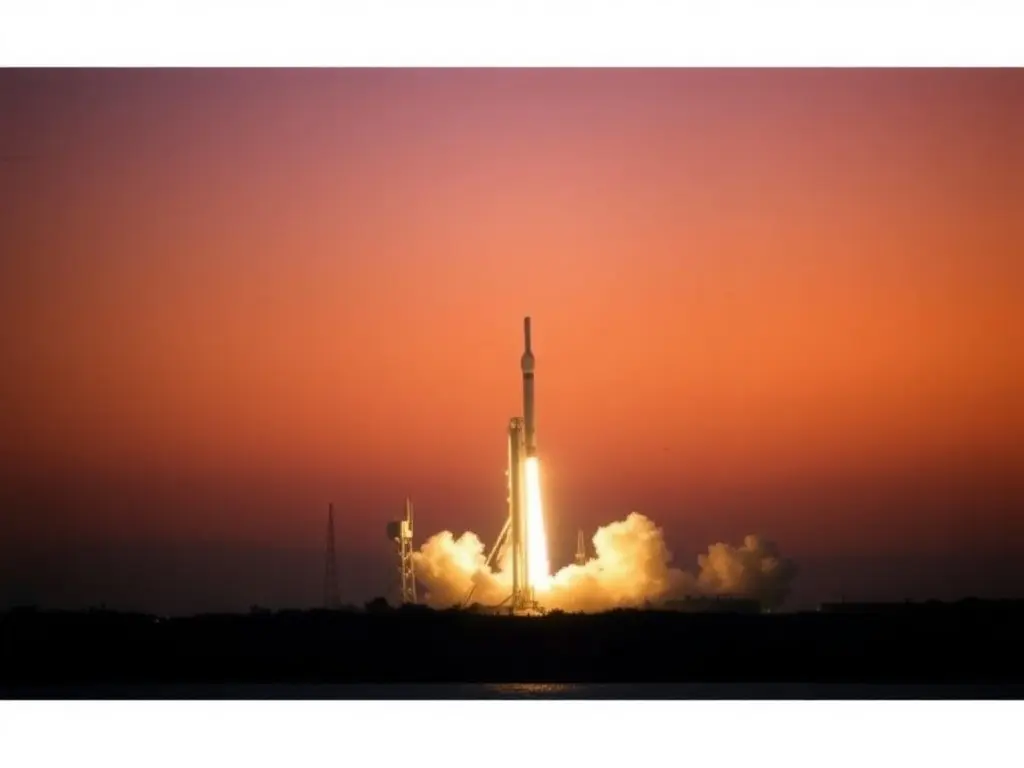
United Launch Alliance (ULA) successfully launched 29 Amazon Leo satellites into low-Earth orbit using an Atlas V 551 rocket from Cape Canaveral Space Force Station on Monday evening. The mission, part of Amazon’s Project Kuiper initiative, aims to deploy over 3,000 satellites globally to provide internet service, with 273 already in orbit before this launch.
United Launch Alliance (ULA) launched 29 Amazon Leo satellites into low-Earth orbit on Monday evening from Cape Canaveral Space Force Station’s Space Launch Complex-41. The Atlas V 551 rocket lifted off at 8:53 p.m. ET, following an 85% favorable weather forecast from the 45th Weather Squadron. Unlike SpaceX’s Falcon 9, the Atlas V’s first-stage booster separated and fell into the Atlantic Ocean after launch. The mission, designated LA-06, marks progress for Amazon’s Project Kuiper, a global satellite internet network competing with SpaceX’s Starlink. The Leo satellites will expand Amazon’s orbital constellation, which currently holds 273 satellites. Amazon plans to deploy over 3,000 satellites in total to deliver broadband services worldwide. The launch window opened at 8:52 p.m. ET, with liftoff occurring just one minute later. ULA confirmed the successful deployment of the satellites into their intended orbit. This launch brings Amazon closer to its goal of establishing a robust, low-latency internet infrastructure accessible globally. Project Kuiper’s satellites operate in low-Earth orbit, ensuring faster data transmission and reduced signal interference compared to traditional geostationary satellites. The initiative aims to bridge the digital divide by providing internet access to underserved regions, aligning with Amazon’s broader mission of technological innovation. Amazon has stated that the Leo satellites will form a dedicated network, similar to Starlink, offering reliable internet connectivity. The company continues to make steady progress toward its orbital deployment targets, with this launch representing a significant step forward in its satellite internet ambitions.
This content was automatically generated and/or translated by AI. It may contain inaccuracies. Please refer to the original sources for verification.