Unhealthy housing and the waste transfer station: A history of environmental racism in Evanston
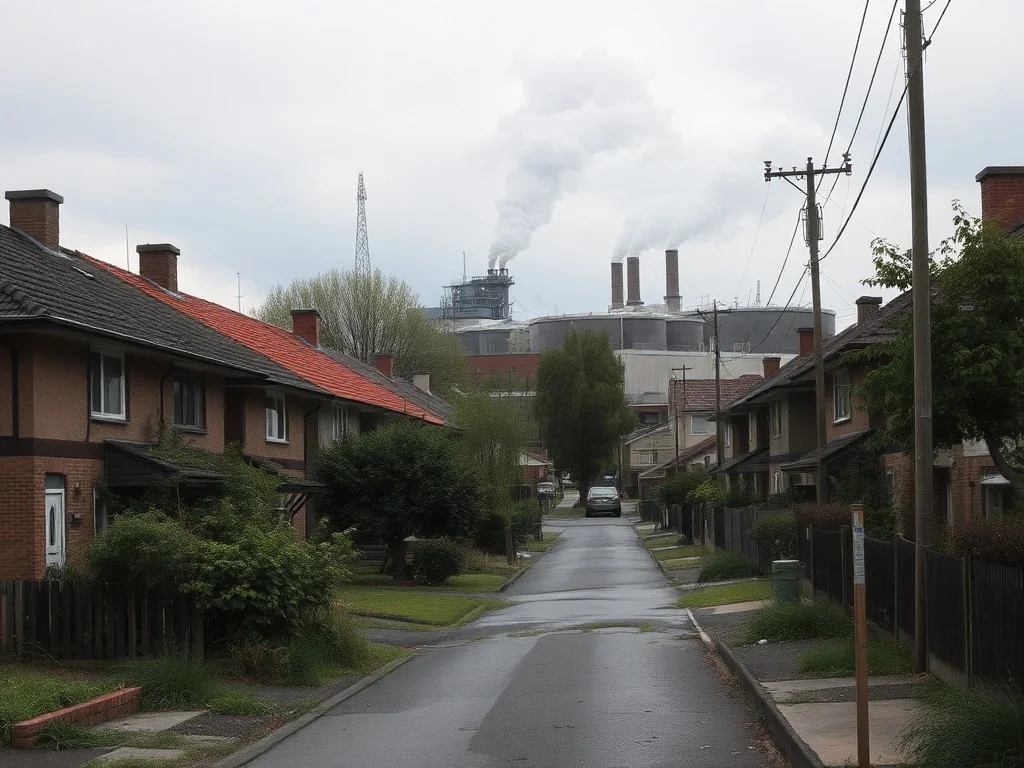
Evanston's history of segregation and discriminatory policies has led to environmental racism, resulting in racial health disparities between white and Black residents. The city's waste transfer station, located in a residential area, has been a point of contention for over 40 years due to noise, smell, and potential exposure to pollutants.
Evanston's segregation practices, including restrictive covenants and zoning, have shaped the city's racial distribution. The Black population was pushed west of the railroad, away from natural beauty and public spaces. The city's first zoning ordinance in 1921 codified segregation, allowing denser residential use and commercial activities in Black neighborhoods. This led to increased housing density and reduced access to green spaces. The waste transfer station, established in 1972, has been a major environmental concern due to its location in a residential area. It has caused noise, smell, and potential health risks for nearby residents.
This content was automatically generated and/or translated by AI. It may contain inaccuracies. Please refer to the original sources for verification.