UNICEF warns of growing climate threats facing children worldwide
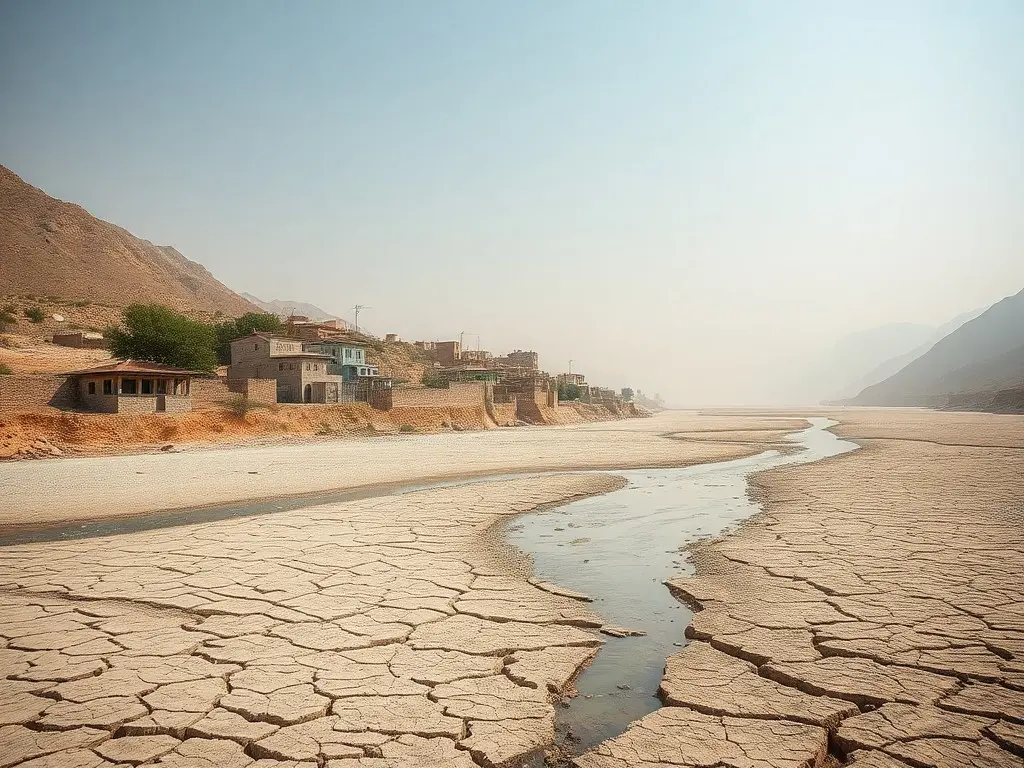
UNICEF warned on June 16 that 1.8 billion children face drought risks, 1.2 billion extreme heat, and 1.1 billion multiple overlapping climate hazards, disrupting education for 242 million in 2024. The agency highlighted Somalia, Madagascar, Myanmar, Cambodia, and Pakistan as most vulnerable, calling for urgent investment in climate-resilient infrastructure and healthcare.
The United Nations Children’s Fund (UNICEF) issued a warning on June 16 that hundreds of millions of children worldwide are increasingly threatened by climate change, with extreme weather events endangering their health, education, and future. The report found that 1.8 billion children are exposed to drought risks, while 1.2 billion face extreme heat waves. Over 1.1 billion children experience at least three overlapping climate-related hazards, including tropical storms, river flooding, coastal flooding, and malaria, with nearly one billion at risk of malaria, primarily in Africa. UNICEF noted that climate-related disasters disrupted the education of 242 million children across 85 countries in 2024 alone. The agency emphasized that simultaneous exposure to multiple climate risks—such as floods, droughts, and heat waves—further increases community vulnerability, particularly for children under five, who bear nearly 90 percent of the disease burden linked to climate change. The most vulnerable nations include Somalia, Madagascar, Myanmar, Cambodia, and Pakistan, where water shortages and climate impacts are expected to worsen. UNICEF urged governments to boost investments in climate-resilient infrastructure, strengthen adaptation programs, and improve water, healthcare, and social protection services to mitigate these risks. Rohini Somanathan Swaminathan, UNICEF’s Director of Data, Analytics, Planning and Monitoring, stressed that the threat extends beyond individual hazards, warning of compounded risks that could overwhelm governments and social systems. The agency’s call for action follows growing evidence that climate change exacerbates health crises, including the spread of malaria and dengue fever, disproportionately affecting children.
This content was automatically generated and/or translated by AI. It may contain inaccuracies. Please refer to the original sources for verification.