Unions ramp up minimum wage rise demands as costs soar
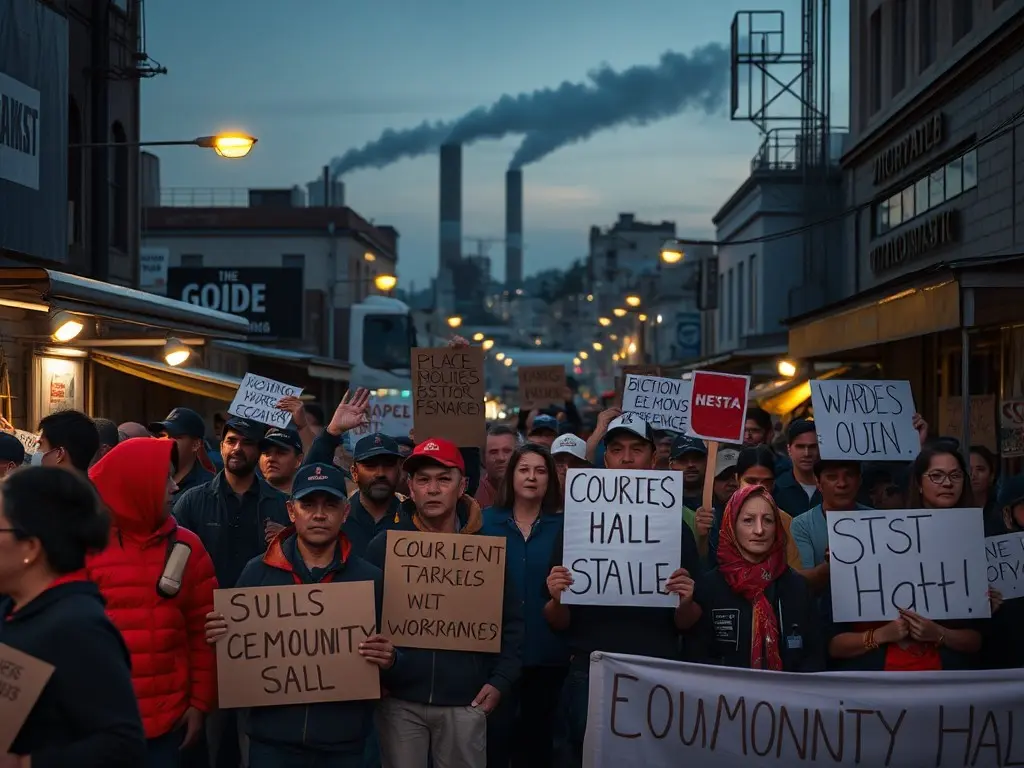
The Australian Council of Trade Unions (ACTU) increased its demand for a 6% minimum wage rise, up from 5%, citing worsening inflation expectations linked to the Middle East war. The Fair Work Commission will decide in June, with economists warning of potential inflation risks, while unions argue minimum wage hikes won’t trigger broader wage-price spirals.
The Australian Council of Trade Unions (ACTU) has raised its demand for a 6% increase in the minimum wage, up from its original call for 5%, citing rising inflation expectations driven by the war in the Middle East. The union represents nearly 3 million workers on minimum and award wages, with a 6% rise pushing the hourly minimum to $26.45 and adding $57 weekly to full-time earnings. ACTU Secretary Sally McManus argued that minimum wage workers—who make up 10% of the payroll—should not fall further behind pre-2021 levels due to economic pressures, including geopolitical tensions. She claimed higher minimum wages would not fuel inflation, as they operate separately from enterprise bargaining. However, AMP Chief Economist Shane Oliver warned that a rise above inflation plus productivity growth (0.8%) could lock in higher inflation expectations, forcing businesses to pass on labor costs to consumers. The Fair Work Commission will base its June decision on March’s 4.1% inflation rate, though Oliver predicted further rate hikes due to sustained demand pressures. The Albanese government previously urged a ‘sustainable’ pay rise above inflation, while the federal budget introduced $2.9 billion in temporary fuel excise cuts to ease headline inflation. Consumer spending dropped 1% in April, with travel spending down 9.3%, signaling a slowdown. Economists like Commonwealth Bank’s Belinda Allen expect household consumption growth to decline from 2.25% this year to 1.75% by 2026/27, as higher prices reduce real incomes. Oil prices remain volatile, with CBA commodities analyst Vivek Dhar forecasting a rise to $150 a barrel by mid-July if the Middle East conflict persists. Treasury assumes prices will ease to $80 by mid-2027, but current trends suggest prolonged inflationary pressures.
This content was automatically generated and/or translated by AI. It may contain inaccuracies. Please refer to the original sources for verification.