University study finds eco-friendly solution for plastic waste
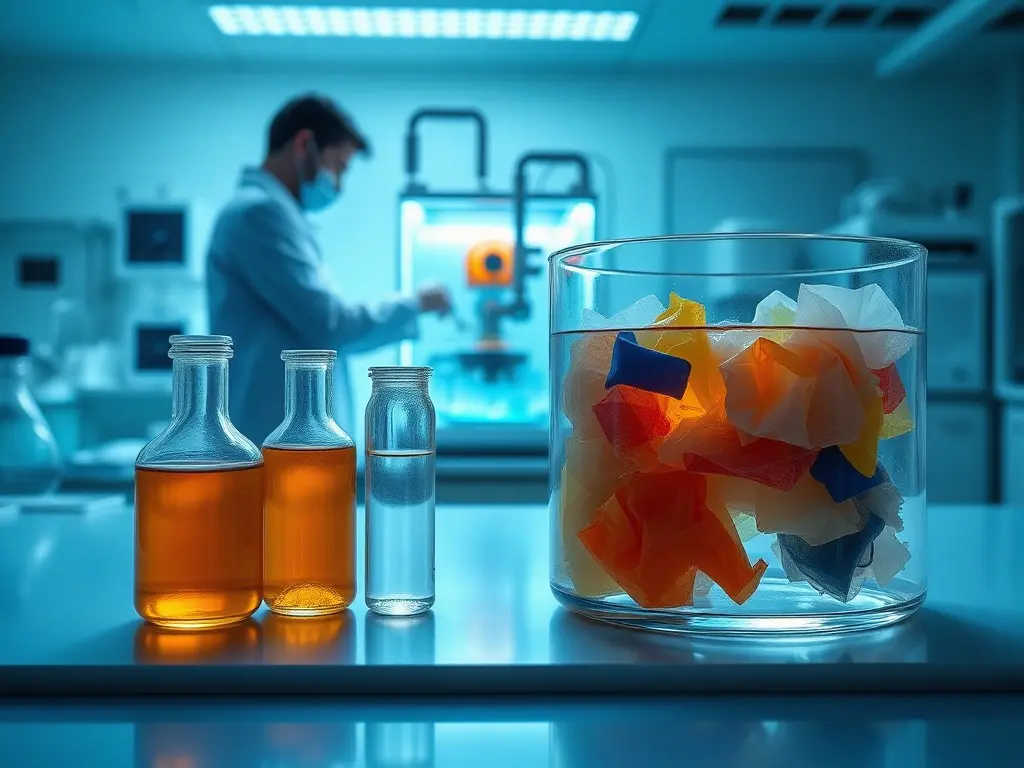
Researchers at the University of Edinburgh and RPTU University Kaiserslautern-Landau have developed a chemical process to transform non-biodegradable plastic waste, including food packaging and 3D printing materials, into a new eco-friendly plastic called polythionoester. The method replaces oxygen atoms with sulfur, potentially replacing 99% of current plastics and offering a scalable solution to global plastic pollution." "article": "Scientists from the University of Edinburgh and RPTU University Kaiserslautern-Landau have created a process to convert plastic waste into an eco-friendly alternative. The method modifies the chemical structure of plastics like polycarbonate, commonly used in food packaging and 3D printing, by replacing oxygen atoms bonded to carbon with sulfur atoms. This results in a new plastic called polythionoester, which researchers believe could replace 99% of non-biodegradable plastics currently in circulation. The current approach avoids the need for high temperatures or harsh chemicals, addressing a major limitation of existing eco-friendly alternatives. Testing has shown success in transforming polycarbonate, and the team is optimistic about scaling the process for other types of plastic. Co-leader Dr. Jennifer Garden highlighted the challenge of thionating polyesters but noted that the breakthrough opens new possibilities for sulfur-containing materials. The discovery could significantly contribute to reducing global plastic pollution, which is a pressing environmental issue. Researchers are now exploring further applications and potential advancements in this promising field. The process holds potential for broader use in industries reliant on plastic materials, offering a sustainable solution to waste management.
Scientists from the University of Edinburgh and RPTU University Kaiserslautern-Landau have created a process to convert plastic waste into an eco-friendly alternative. The method modifies the chemical structure of plastics like polycarbonate, commonly used in food packaging and 3D printing, by replacing oxygen atoms bonded to carbon with sulfur atoms. This results in a new plastic called polythionoester, which researchers believe could replace 99% of non-biodegradable plastics currently in circulation. The current approach avoids the need for high temperatures or harsh chemicals, addressing a major limitation of existing eco-friendly alternatives. Testing has shown success in transforming polycarbonate, and the team is optimistic about scaling the process for other types of plastic. Co-leader Dr. Jennifer Garden highlighted the challenge of thionating polyesters but noted that the breakthrough opens new possibilities for sulfur-containing materials. The discovery could significantly contribute to reducing global plastic pollution, which is a pressing environmental issue. Researchers are now exploring further applications and potential advancements in this promising field. The process holds potential for broader use in industries reliant on plastic materials, offering a sustainable solution to waste management.
This content was automatically generated and/or translated by AI. It may contain inaccuracies. Please refer to the original sources for verification.