Untangling bottlenecks in Vietnam’s property market
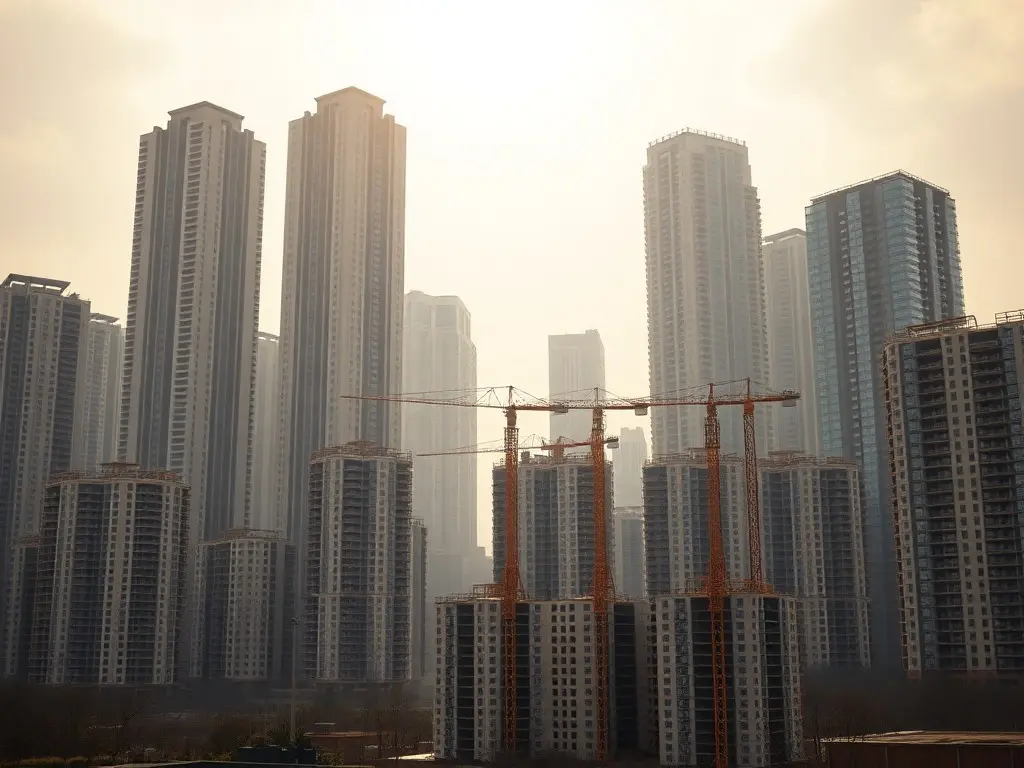
Vietnam’s real estate market faces persistent supply-demand mismatches, with over 40,000 apartments launched in Q1 but only 7,000 affordable units, according to the Housing and Real Estate Market Management Agency. Experts warn that high-end projects dominate due to lengthy licensing delays, while mid-range housing and policy reforms remain critical gaps ahead of the revised Law on Housing submission in October.
Vietnam’s real estate sector is grappling with structural bottlenecks, particularly a mismatch between supply and demand, as highlighted during a panel discussion at *VIR*’s real estate seminar. In the first quarter of 2024, over 40,000 apartments were released onto the market, but only 7,000 units fell into the low-cost, social, or affordable housing categories, leaving demand unmet. Hoang Thu Hang, deputy director general of the Housing and Real Estate Market Management Agency under the Ministry of Construction, emphasized that the shortage of mid-range apartments—those priced affordably for the average household—remains a pressing issue. The government is incorporating affordable commercial housing policies into the revised Law on Housing, expected for approval in October, and is seeking public input to refine the legal framework. Speculation in Vietnam’s property market has declined, particularly in Hanoi, where transactions dropped by 30%, according to Can Van Luc, chief economist at BIDV. However, the core challenge persists: developers prioritize high-end projects due to lengthy licensing processes, which can take two to three years. This discourages investment in mid-range and low-cost segments, exacerbating the supply gap. While progress has been made in low-cost and social housing, Luc stressed that mid-range housing development remains underdeveloped and requires urgent attention. Banks are adopting stricter lending policies to curb speculative investments. Nguyen Le Nam, director of Retail Banking Division at Asia Commercial Bank (ACB), noted that the bank aligns with the Prime Minister’s directive to classify real estate segments for transparent credit policies. ACB focuses on financing genuine homebuyers rather than speculative purchases, offering tailored financing packages and consulting support. The bank reported a decline in home lending growth, reflecting both its cautious approach and broader market trends. Policy reforms are underway to address these issues. The Ministry of Construction is finalizing legal amendments to encourage affordable housing development, while officials urge businesses, experts, and citizens to contribute to the process. Effective implementation of these policies could balance market demand, protect homebuyers, and ensure sustainable growth for developers. The revised Law on Housing, pending approval, aims to create a more inclusive real estate ecosystem in Vietnam.
This content was automatically generated and/or translated by AI. It may contain inaccuracies. Please refer to the original sources for verification.