UPSC has built a leakproof island. Here's how it prevents paper leaks
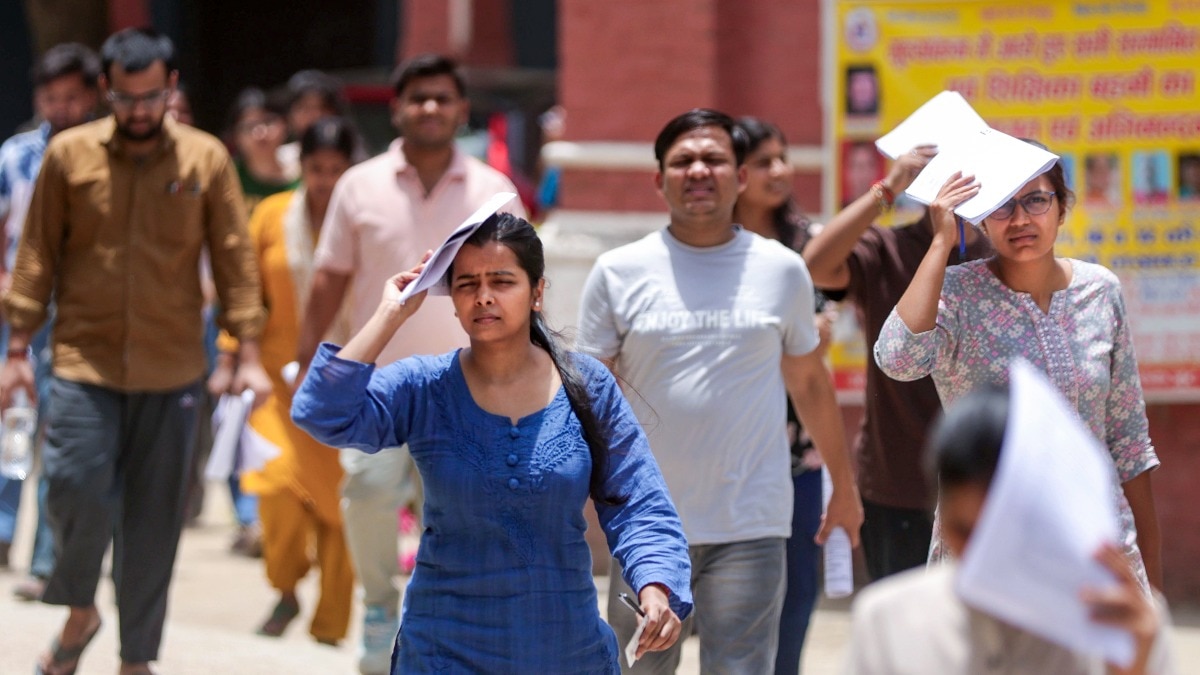
The Supreme Court highlighted the Union Public Service Commission (UPSC) as a model for secure large-scale exams, contrasting it with the National Testing Agency (NTA) amid the NEET paper leak scandal. UPSC’s leakproof reputation stems from strict protocols, compartmentalization, technology, and decades of institutional decorum, despite conducting exams like the Civil Services Examination for nearly a million applicants annually.
The Supreme Court recently praised the Union Public Service Commission (UPSC) for its ability to conduct large-scale examinations without scandals, contrasting it with the National Testing Agency (NTA) amid the NEET paper leak controversy. Justices PS Narasimha and Alok Aradhe noted that the UPSC has never faced such issues, emphasizing its institutional safeguards. UPSC annually administers exams for over a million candidates across thousands of centers, including the Civil Services Examination (CSE), which determines entry into prestigious services like the Indian Administrative Service (IAS), Indian Police Service (IPS), and Indian Foreign Service (IFS). Despite its scale, the UPSC maintains a reputation for confidentiality, unlike other agencies like the NTA or Staff Selection Commission (SSC), which have faced repeated leak allegations. Experts attribute UPSC’s success to strict protocols, secrecy, and compartmentalization of exam papers, combined with technological safeguards and decades of institutional decorum. Mentors like Chandigarh-based UPSC mentor Shekhar Dutt highlight the commission’s established protocols as a key factor in preventing leaks. The UPSC’s model also draws comparisons with premier institutions like the Indian Institutes of Technology (IITs) and Indian Institutes of Management (IIMs), which conduct high-stakes exams like the JEE and CAT. These institutions share a similar approach to exam security, reinforcing the idea that structured safeguards can mitigate leaks. While the UPSC’s methods remain largely undisclosed, stakeholders suggest a combination of secrecy, process control, and technological measures ensures exam integrity. The contrast with the NTA’s recent struggles underscores the effectiveness of UPSC’s long-standing practices in maintaining trust in India’s most competitive examinations.
This content was automatically generated and/or translated by AI. It may contain inaccuracies. Please refer to the original sources for verification.