U.S. and Iran no closer to ending war as Gulf clashes test ceasefire
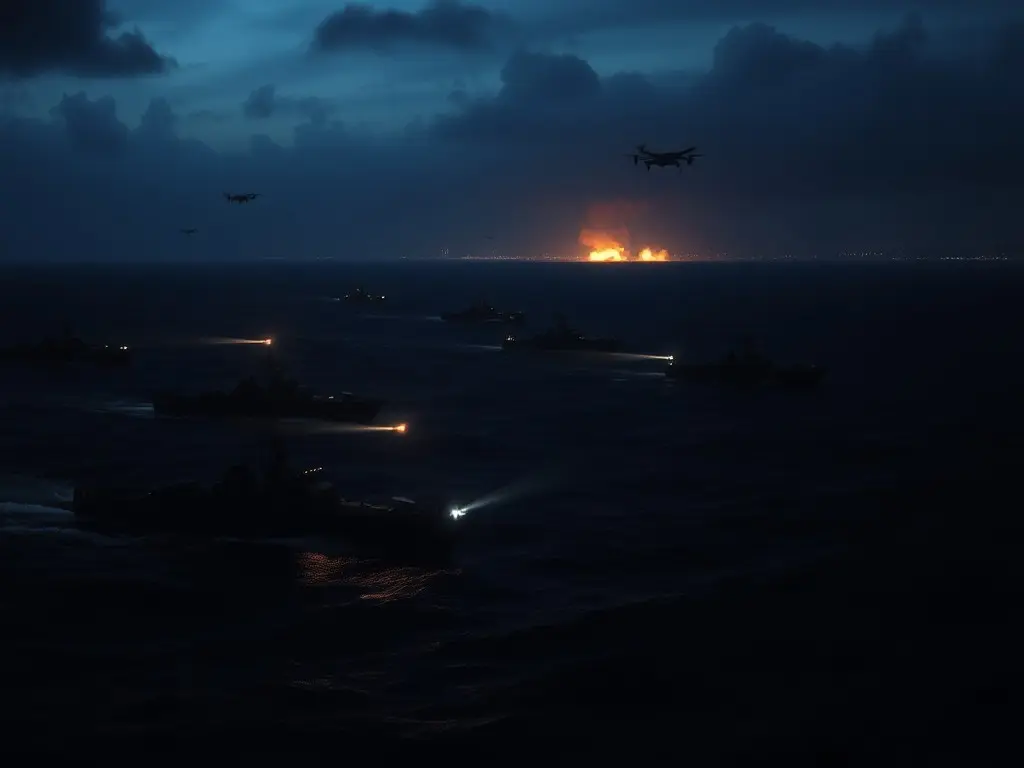
The U.S. and Iran remain deadlocked in negotiations to end their war, with recent clashes in the Strait of Hormuz testing a fragile ceasefire, while Tehran denies U.S. claims of a breach and warns of further attacks. Despite U.S. sanctions and a naval blockade, a CIA assessment suggests Iran can withstand economic pressure for months, complicating Washington’s leverage in the conflict." "article": "The U.S. and Iran showed no progress toward ending their war after renewed clashes in the Gulf, undermining a month-old ceasefire. On Friday, Iranian forces and U.S. vessels exchanged fire in the Strait of Hormuz, with Iran’s semi-official Fars news agency reporting sporadic fighting. The U.S. military struck two Iran-linked vessels attempting to enter an Iranian port, using a fighter jet to disable their smokestacks and force them to retreat. Iran has restricted non-Iranian shipping through the strait since the war began on February 28, disrupting global oil flows. The U.S. imposed a naval blockade last month, but a CIA assessment indicates Iran could endure economic pressure for at least four months, raising doubts about U.S. President Donald Trump’s ability to pressure Tehran. A senior U.S. intelligence official dismissed claims that the CIA analysis suggested Iran’s resilience was indefinite. Clashes extended beyond the Strait of Hormuz, with the United Arab Emirates (UAE) reporting that its air defenses intercepted two Iranian ballistic missiles and three drones, injuring three people. Iran has repeatedly targeted Gulf states hosting U.S. military bases, escalating attacks this week in response to Trump’s short-lived ‘Project Freedom’ initiative to escort ships through the strait. Iran’s Foreign Minister Abbas Araqchi accused the U.S. of violating the ceasefire, while a U.S. Navy attack on an Iranian commercial ship left one crew member dead, 10 wounded, and six missing. Diplomatic efforts remain stalled, with the U.S. awaiting Iran’s response to a proposal to formally end the war before addressing contentious issues like Iran’s nuclear program. Secretary of State Marco Rubio, speaking in Rome, expressed frustration over Italy and other allies not supporting Washington’s efforts to reopen the strait. Meanwhile, the U.S. Treasury imposed new sanctions on Iran, signaling a dual approach of diplomacy and pressure. Iran’s semi-official Tasnim news agency cited military sources stating the situation had calmed but warned of potential further clashes. The UAE described Iran’s recent attacks as a major escalation, while Trump insisted the ceasefire was still holding despite the flare-ups. The conflict has drawn little international support, with allies questioning the U.S. strategy in controlling a critical global waterway.
The U.S. and Iran showed no progress toward ending their war after renewed clashes in the Gulf, undermining a month-old ceasefire. On Friday, Iranian forces and U.S. vessels exchanged fire in the Strait of Hormuz, with Iran’s semi-official Fars news agency reporting sporadic fighting. The U.S. military struck two Iran-linked vessels attempting to enter an Iranian port, using a fighter jet to disable their smokestacks and force them to retreat. Iran has restricted non-Iranian shipping through the strait since the war began on February 28, disrupting global oil flows. The U.S. imposed a naval blockade last month, but a CIA assessment indicates Iran could endure economic pressure for at least four months, raising doubts about U.S. President Donald Trump’s ability to pressure Tehran. A senior U.S. intelligence official dismissed claims that the CIA analysis suggested Iran’s resilience was indefinite. Clashes extended beyond the Strait of Hormuz, with the United Arab Emirates (UAE) reporting that its air defenses intercepted two Iranian ballistic missiles and three drones, injuring three people. Iran has repeatedly targeted Gulf states hosting U.S. military bases, escalating attacks this week in response to Trump’s short-lived ‘Project Freedom’ initiative to escort ships through the strait. Iran’s Foreign Minister Abbas Araqchi accused the U.S. of violating the ceasefire, while a U.S. Navy attack on an Iranian commercial ship left one crew member dead, 10 wounded, and six missing. Diplomatic efforts remain stalled, with the U.S. awaiting Iran’s response to a proposal to formally end the war before addressing contentious issues like Iran’s nuclear program. Secretary of State Marco Rubio, speaking in Rome, expressed frustration over Italy and other allies not supporting Washington’s efforts to reopen the strait. Meanwhile, the U.S. Treasury imposed new sanctions on Iran, signaling a dual approach of diplomacy and pressure. Iran’s semi-official Tasnim news agency cited military sources stating the situation had calmed but warned of potential further clashes. The UAE described Iran’s recent attacks as a major escalation, while Trump insisted the ceasefire was still holding despite the flare-ups. The conflict has drawn little international support, with allies questioning the U.S. strategy in controlling a critical global waterway.
This content was automatically generated and/or translated by AI. It may contain inaccuracies. Please refer to the original sources for verification.