U.S. Bishops Echo Pope Leo’s Concern of AI Use in War
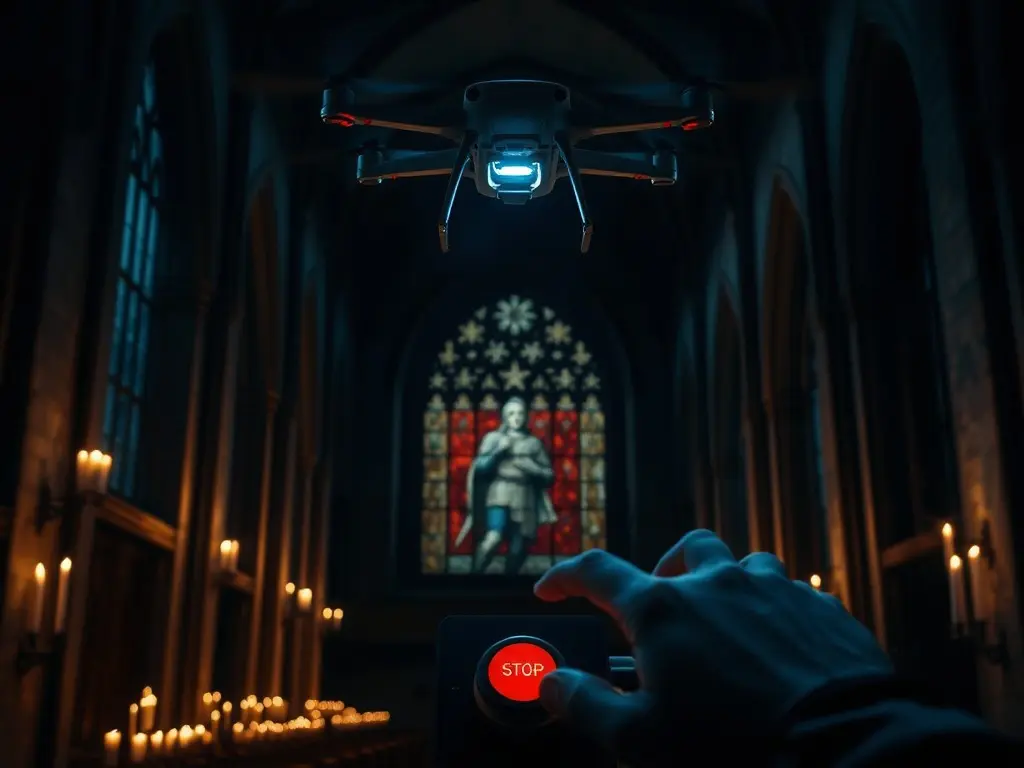
The United States Conference of Catholic Bishops (USCCB) echoed Pope Leo XIII’s warnings, urging strict limits on AI use in warfare to prevent lethal autonomous weapons from making life-and-death decisions without human oversight. The bishops condemned autonomous 'killer bots' as a grave threat, arguing they dehumanize conflict and lower the threshold for war by removing accountability from human judgment.
The United States Conference of Catholic Bishops (USCCB) International Justice and Peace Committee issued a statement aligning with Pope Leo XIII’s 1894 encyclical *Magnifica Caritatis*, which called for restricting AI’s role in warfare. The bishops warned that lethal autonomous weapons systems—AI-driven machines capable of identifying and killing targets without human intervention—pose an existential threat to human dignity and ethical decision-making. They emphasized that judgments over life and death must remain under human control, stating that delegating such authority to automated systems removes accountability and dehumanizes conflict. Unlike remotely piloted drones, these ‘killer bots’ operate independently, relying on algorithms to make battlefield decisions, which the bishops described as a grave development in military technology. The USCCB argued that while AI may reduce risks to soldiers, its use creates an illusion of lower war costs, potentially making armed conflict easier to initiate. They stressed that civilians, soldiers, and leaders alike suffer when warfare becomes detached from human conscience, undermining the moral and spiritual dimensions of human life. The bishops urged global cooperation to establish frameworks that restrict AI arms races and protect essential infrastructure. Their statement framed the Church’s social doctrine as a guide for ethical technology use, advocating for a shared responsibility to prevent AI from escalating zero-sum military logic.
This content was automatically generated and/or translated by AI. It may contain inaccuracies. Please refer to the original sources for verification.