U.S.-Iran deal latest: More Israeli strikes in Lebanon, confusion over Strait of Hormuz ahead of signing
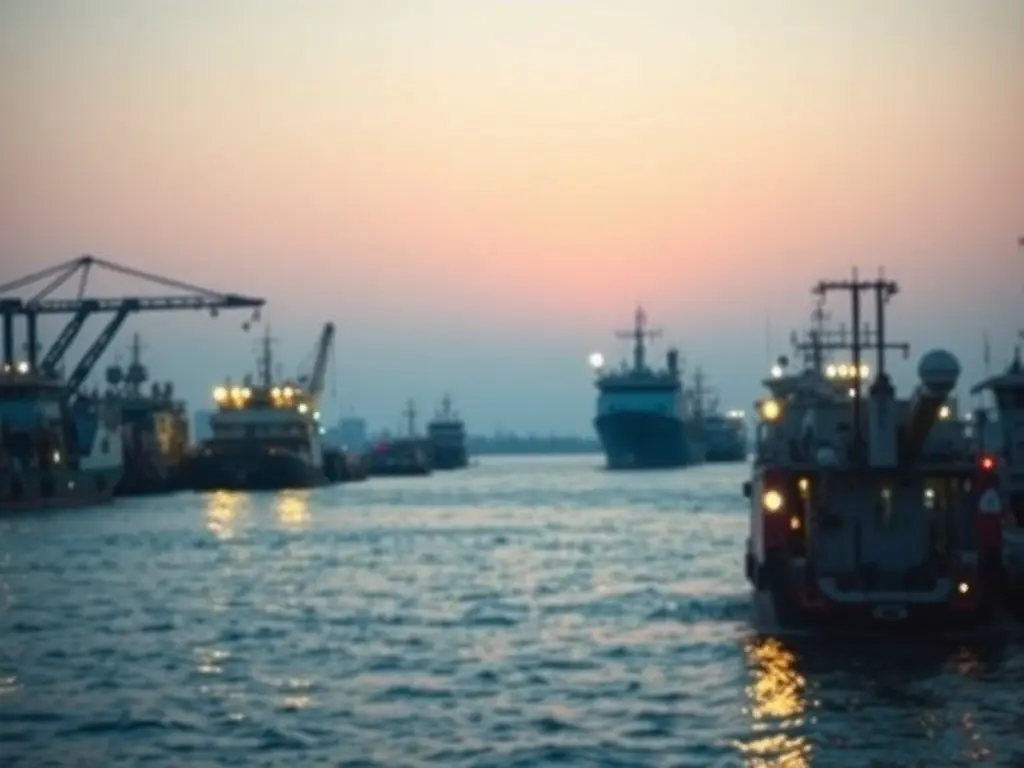
President Trump’s U.S.-Iran memorandum of understanding faces complications as Israeli strikes in Lebanon persist, with Iran warning of violations, while five Iranian tankers crossed the U.S. naval blockade in the Strait of Hormuz despite uncertainty over its lifting. Oil prices dipped amid optimism for Strait reopening, though mixed messaging from Trump and low vessel traffic have kept shipping disrupted.
President Trump’s U.S.-Iran deal remains under strain as Israeli airstrikes in Lebanon continue, with Iran threatening to call the agreement violated if Israel maintains military presence and attacks persist. The U.S. naval blockade on Iranian vessels in the Strait of Hormuz has seen five sanctioned ships—three oil tankers, a bulk carrier, and a container vessel—cross into international waters in the past 24 hours, despite Trump’s claim that the blockade would lift only after Friday’s signing. Shipping firms report confusion over the blockade’s status, demanding clearer security guarantees before resuming normal operations. Trump, speaking at the G7 meeting in France, warned Iran that the memorandum is not final and vowed to resume military action if Tehran does not comply, calling potential strikes ‘dropping bombs right smack in the middle of their head.’ He also clarified that sanctions relief for Iran will not be immediate, though details remain unclear. Oil prices stabilized Wednesday after a sharp drop, with Brent crude at $78.19 per barrel and U.S. crude at $75.21, reflecting cautious optimism about the Strait’s potential reopening. However, commercial traffic remains minimal—single-digit vessels transiting the Strait compared to the usual 135 daily—due to mixed signals from the White House and uncertainty over the deal’s terms. Trump criticized Israeli Prime Minister Benjamin Netanyahu for escalating strikes against Iran-backed Hezbollah, calling them ‘vicious’ and ‘too much,’ which he said complicates finalizing the Iran agreement. Iran has reiterated that continued Israeli aggression in Lebanon would violate the deal, adding to regional tensions. The situation highlights conflicting priorities: Trump’s push for a diplomatic breakthrough, Israel’s military response to Iranian-backed threats, and global markets’ reliance on the Strait of Hormuz for oil transport. Without resolution on blockade clarity and regional security, shipping disruptions and geopolitical risks are likely to persist.
This content was automatically generated and/or translated by AI. It may contain inaccuracies. Please refer to the original sources for verification.