US Iran Israel War Live Updates: Hezbollah Rejects Disarmament, Calls US-Backed UN Resolution as 'Deceptive'
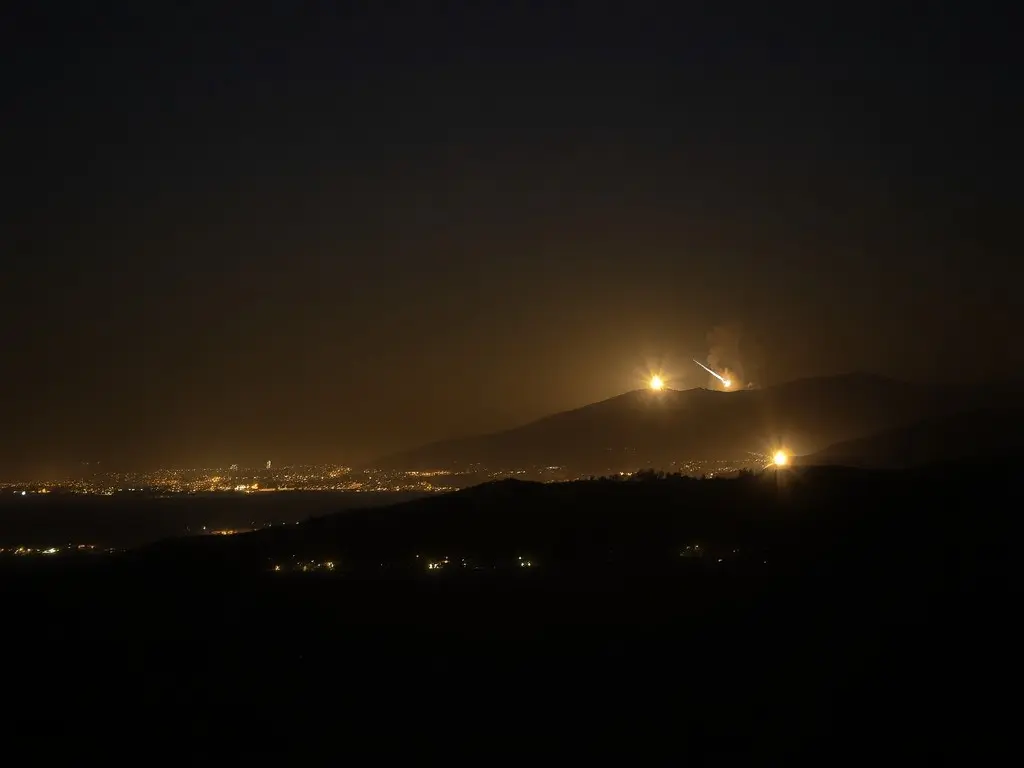
US President Donald Trump arrived in Beijing for talks with Chinese President Xi Jinping amid escalating tensions over Iran and a fragile ceasefire in the Middle East, while Hezbollah rejected a US-backed UN disarmament resolution as 'deceptive.' Iranian officials accused Washington and Israel of fabricating justifications for war, and Israeli strikes in Lebanon killed two paramedics, deepening humanitarian concerns.
US President Donald Trump departed for Beijing on Tuesday to meet with Chinese President Xi Jinping, with Iran and regional tensions dominating discussions alongside trade. Trump emphasized that trade would be the primary focus but acknowledged strategic issues, including Iran, would also be addressed. He described the meeting as 'very exciting' and expressed confidence in his relationship with Xi. Iran’s Foreign Ministry spokesman Esmaeil Baghaei condemned the US and Israel, calling them 'professional liars' who fabricated justifications for war. The fragile ceasefire in the region remains uncertain, with its stability dependent on US political decisions, including Trump’s stance on escalation. Trump previously warned that the conflict would end 'peacefully or otherwise' under conditions acceptable to Washington. Israeli military operations in southern Lebanon persist despite diplomatic efforts, with Lebanon’s Health Ministry reporting that two paramedics were killed and another wounded in an Israeli strike targeting emergency workers. The attacks have heightened humanitarian concerns, particularly as civilian infrastructure and rescue operations face continued pressure. Trump’s visit to Beijing underscores the expanding international involvement in the crisis, as major powers engage in diplomatic efforts to mitigate its impact on global trade, energy security, and regional stability. The conflict’s economic and strategic repercussions, including disruptions to energy markets and maritime security, are reshaping geopolitical dynamics, particularly in US-China relations. The coming days may prove critical in determining whether diplomatic interventions can stabilize the situation or if military activity will escalate further. Observers note that the current ceasefire is precarious and heavily reliant on political decisions from Washington and regional actors.
This content was automatically generated and/or translated by AI. It may contain inaccuracies. Please refer to the original sources for verification.