US-Iran peace deal may help boost India's exports, stabilise rupee
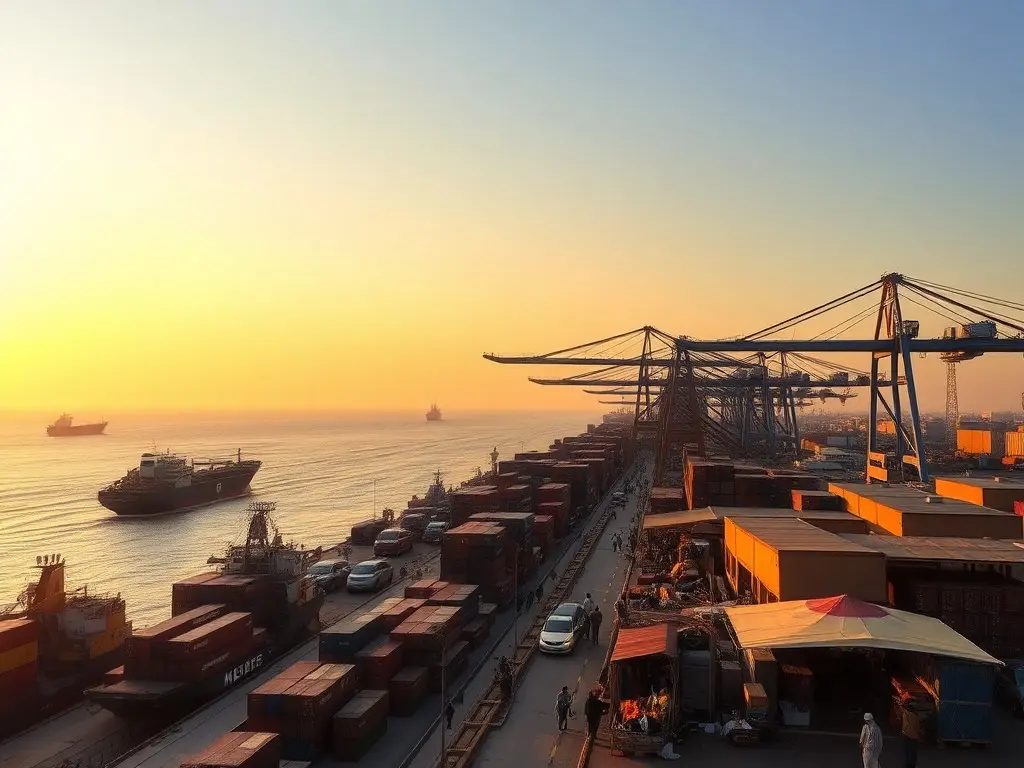
A US-Iran peace deal to end a 107-day conflict and reopen the Strait of Hormuz could boost India’s exports to West Asia, stabilize the rupee, and ease inflationary pressures by reducing energy import costs. The agreement, set for signing on June 19 in Switzerland, may also restore normal trade flows with key Gulf partners like the UAE and Saudi Arabia, which have been disrupted by geopolitical tensions and rising shipping costs.
India’s economy may benefit significantly from a US-Iran peace deal announced to end a four-month conflict that disrupted global energy supplies and pushed oil prices above $100 per barrel. The agreement, to be formalized on June 19 in Switzerland, could ease pressure on India’s import bill, stabilize the rupee, and reduce inflation risks, particularly for crude oil, LPG, and LNG imports from West Asia, which account for 50%, 70%, and 90% of India’s supplies, respectively. The conflict had strained India’s trade with Gulf nations, including the UAE, Saudi Arabia, Oman, Qatar, Bahrain, and Kuwait, leading to a 57.95% drop in exports to the region in March and a 51.64% decline in imports. India’s exports to the GCC grew just 1% to $57 billion in 2024-25, while imports surged 15.33% to $121.7 billion, widening the trade deficit. Reopening the Strait of Hormuz could normalize shipping routes, lowering freight and insurance costs that surged due to detours around Africa. Experts, including GTRI Founder Ajay Srivastava, note the deal will relieve India’s dependence on West Asian energy, which had weakened the rupee and increased inflation. The Federation of Indian Export Organisations (FIEO) President S C Ralhan expects the agreement to accelerate exports, create new business opportunities, and support India’s economic growth over the next two to three years. The conflict had already caused India’s overall exports to fall 7.44% in March, marking the steepest decline in five months. The US and Iran initiated military operations on February 28 over Iran’s nuclear program, triggering the conflict that threatened global energy markets. Stabilizing the Strait of Hormuz would smooth shipping lanes, reduce delays, and lower costs for Indian traders reliant on Gulf markets. Analysts predict the deal will improve India’s growth outlook by easing energy price pressures and restoring trade stability with its top regional partners.
This content was automatically generated and/or translated by AI. It may contain inaccuracies. Please refer to the original sources for verification.