US-Iran truce deal awaits Trump as strikes test ceasefire
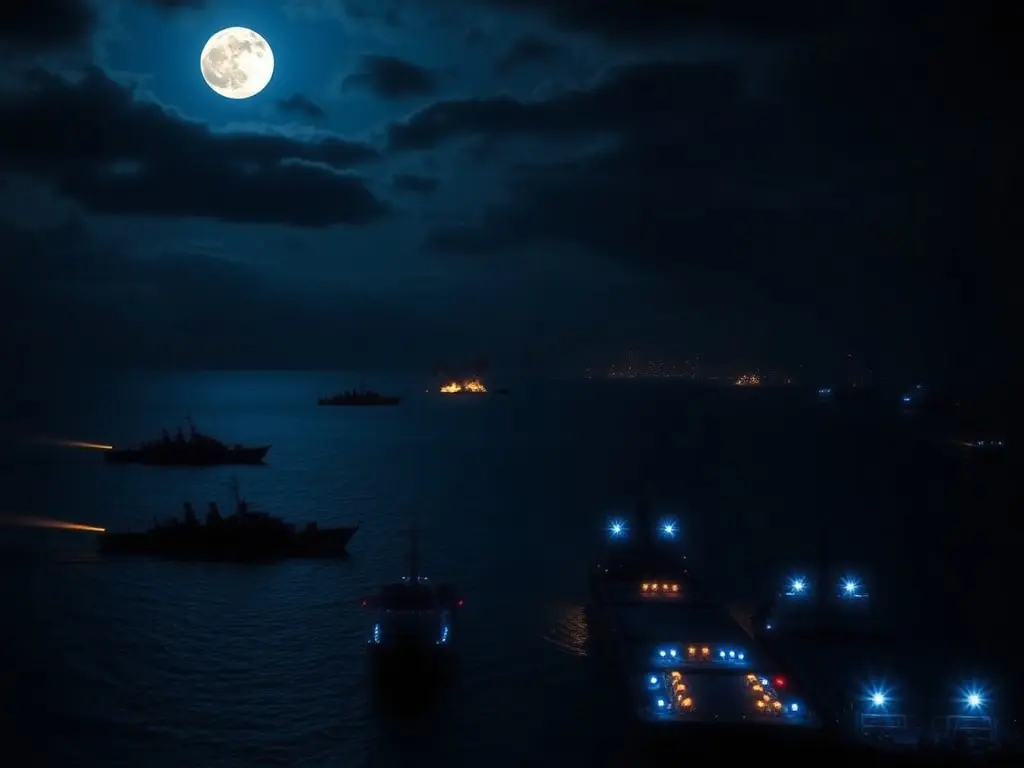
US and Iranian negotiators reached a tentative 60-day ceasefire extension deal, pending Donald Trump’s approval, but recent strikes by both sides threatened the fragile agreement. Iran targeted a US airbase in Kuwait after Washington attacked Bandar Abbas, while tensions over the Strait of Hormuz and nuclear talks remained unresolved.
US and Iranian negotiators had agreed on a memorandum of understanding to extend their ceasefire for 60 days and restart nuclear talks, according to US sources and Axios. The proposed deal would reopen unrestricted shipping through the Strait of Hormuz, with Iran removing mines within 30 days and the US lifting its naval blockade if commercial traffic resumed. However, Iran’s Tasnim news agency reported the text was not finalized, and Tehran insisted any announcement would come from its own negotiators, not unilaterally by Trump. US Vice President JD Vance stated Trump had not yet approved the deal, citing unresolved language points, despite progress in negotiations. The fragile truce was tested after US strikes on Iran’s southern port city of Bandar Abbas prompted Iran to retaliate by targeting an unspecified US airbase in Kuwait, which the Kuwaiti military confirmed with air defenses intercepting incoming missiles and drones. The US Central Command called the Iranian attack a clear ceasefire violation. Iranian forces also fired on four unauthorized ships transiting the Strait of Hormuz, while US forces intercepted five attack drones in the area and prevented a sixth from launching near Bandar Abbas. Iranian Foreign Ministry spokesman Esmaeil Baqaei accused the US of violating the truce, while a US official described the strikes as measured and intended to preserve the ceasefire. Iranian Revolutionary Guards warned of a firm response if attacks continued. Economic concerns loomed as oil prices fluctuated, rising after reports of strikes before stabilizing amid uncertainty over the ceasefire’s future. The war’s disruption of Hormuz traffic has already strained global oil flows, with analysts warning prolonged closures could worsen inflation. Meanwhile, Donald Trump reaffirmed the Strait of Hormuz would remain open to all, threatening action against Oman if it attempted to negotiate a separate arrangement with Iran. Local reports from Tehran highlighted civilian unease, with a 27-year-old software developer expressing fear of renewed missile strikes. The proposed deal’s focus on restoring Hormuz shipping and nuclear negotiations remains central, but recent military exchanges have raised doubts about long-term stability.
This content was automatically generated and/or translated by AI. It may contain inaccuracies. Please refer to the original sources for verification.