US lifts hold on immigration applications for doctors, but leaves others waiting
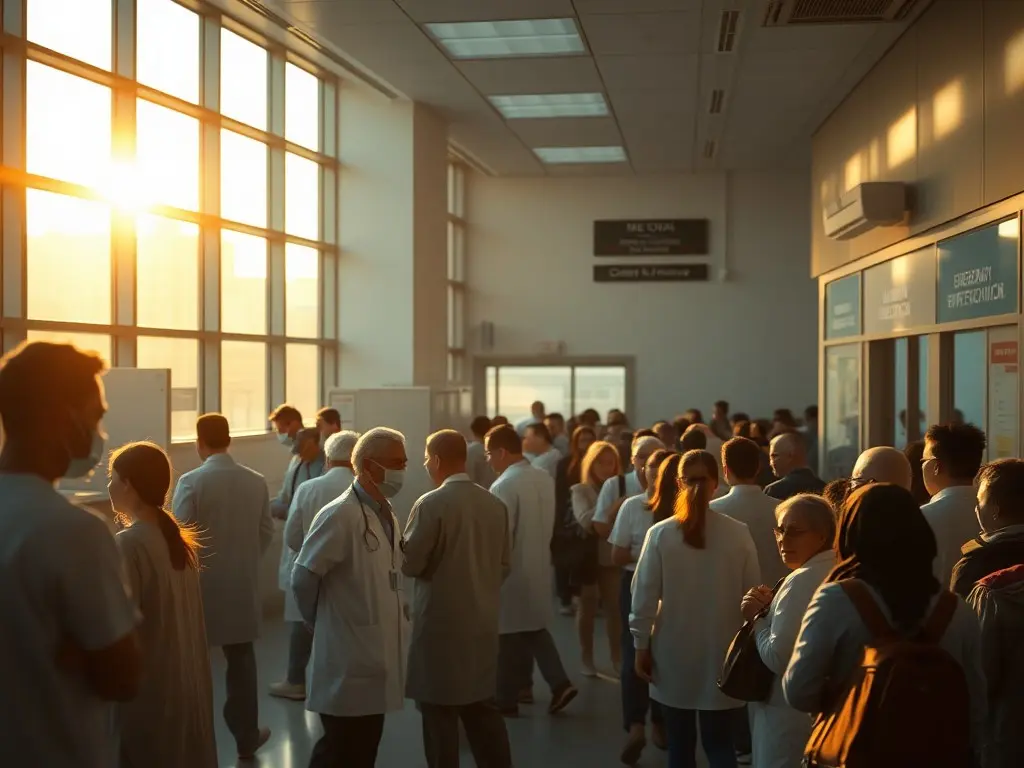
The U.S. government has exempted medical doctors from a visa and green card application freeze for citizens of high-risk countries, allowing some like Libyan pulmonologist Dr. Faysal Alghoula to proceed with renewals, though uncertainty remains over approvals and processing times. The pause continues for thousands of others, including researchers and entrepreneurs from 39 countries, who face legal restrictions on work, healthcare, and travel while their applications remain stalled.
The Biden administration has partially lifted a freeze on immigration applications for medical doctors, allowing pending visa and green card renewals to move forward. Libyan pulmonologist Dr. Faysal Alghoula, who serves a rural population in southwestern Indiana, Illinois, and Kentucky, had been blocked from renewing his expiring green card under a policy introduced by the Trump administration targeting citizens of high-risk countries. His current visa expires in September, and the exemption may now allow his case to be reviewed, though approval is not guaranteed. The policy change follows months of advocacy from physician organizations and immigration attorneys, who cited critical doctor shortages and the reliance on foreign-trained professionals in underserved areas. However, the exemption does not guarantee approvals, and U.S. Citizenship and Immigration Services may struggle to process applications in time for deadlines like Alghoula’s. The doctor remains hesitant to attend his upcoming interview due to past reports of immigrants being detained during renewal appointments. The visa freeze still affects thousands of others, including researchers, entrepreneurs, and citizens from 39 countries such as Iran, Afghanistan, and Venezuela. These individuals cannot legally work, access health insurance, or obtain driver’s licenses, and risk deportation if they leave the U.S. The policy stems from broader immigration crackdowns, including restrictions on citizens of over 75 countries to prevent public assistance dependency, following the 2021 shooting of two National Guard troops by an Afghan citizen. The Department of Homeland Security has not provided specifics on the exemption but stated it aims to improve screening after criticizing the previous administration’s vetting failures. Immigration attorney Greg Siskind described the current policies as intentionally burdensome, designed to discourage legally residing immigrants from staying in the U.S. The American Academy of Family Physicians reported receiving inquiries from affected doctors seeking assistance, though exact numbers remain unclear. Alghoula’s case highlights the broader impact of the freeze, where foreign-trained doctors—many working in rural or underserved communities—face prolonged uncertainty. While the exemption offers a potential path forward for physicians, the ongoing restrictions for other groups underscore the broader challenges in U.S. immigration policy.
This content was automatically generated and/or translated by AI. It may contain inaccuracies. Please refer to the original sources for verification.