US military intercepts Iranian attacks in Strait of Hormuz, raising doubts on peace efforts
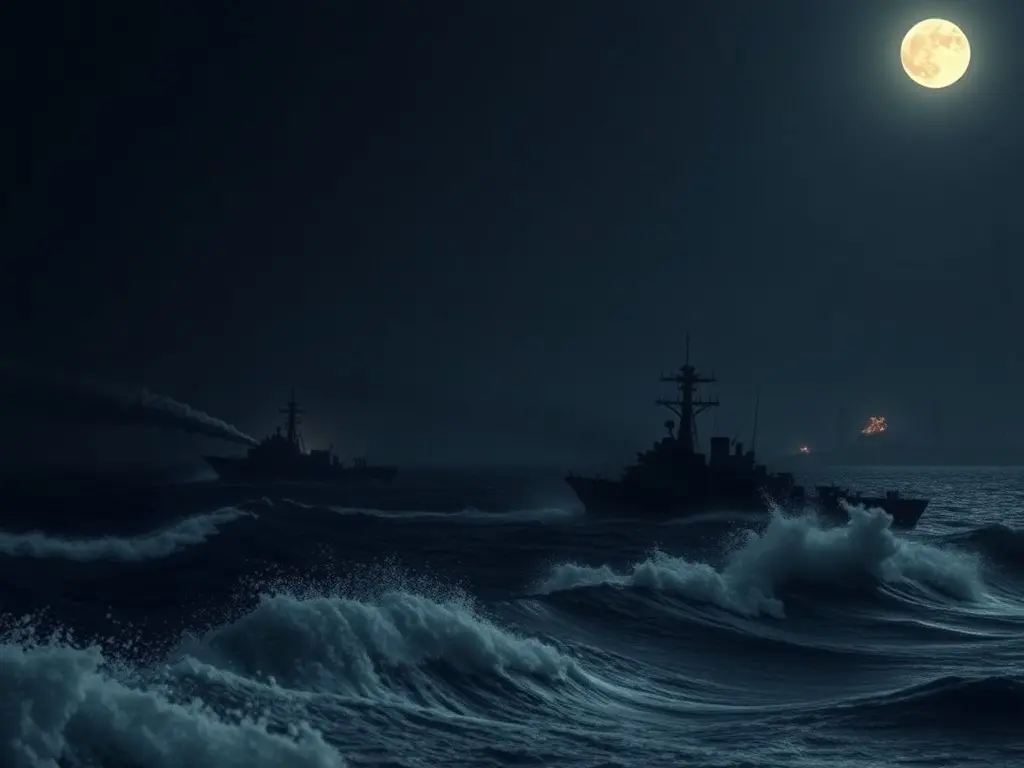
The US military intercepted Iranian attacks on three Navy ships in the Strait of Hormuz and retaliated by striking Iranian military facilities, raising concerns about ongoing peace negotiations. Iranian state media confirmed exchanges of fire near Qeshm Island and explosions in Tehran and Bandar Abbas, while Iran proposed a three-point plan for ending hostilities, including lifting US sanctions and reopening the strait to commercial traffic.
The US military intercepted Iranian attacks on three Navy ships transiting the Strait of Hormuz on Thursday, responding with self-defense strikes against Iranian military facilities. US Central Command confirmed no ships were hit but stated it remains ready to protect American forces, emphasizing it does not seek escalation. Iranian state media reported exchanges of fire on Qeshm Island, home to 150,000 people and a water desalination plant, as well as explosions in western Tehran and near Bandar Abbas, though the source of the blasts was not identified. Iranian officials outlined a three-point proposal for ending the conflict, including lifting the US blockade on Iranian ships and ports, opening the Strait of Hormuz to commercial traffic, and halting hostilities. The key obstacle remains Iran’s nuclear enrichment program and its stockpile of highly enriched uranium. Meanwhile, Iran established a government agency to vet and tax vessels passing through the Strait of Hormuz, raising concerns about international shipping disruptions. Pakistan, which is mediating peace talks, said it expects an agreement soon but provided no timeline. Pakistani Foreign Minister Ishaq Dar spoke with his Iranian counterpart, Abbas Araghchi, while Prime Minister Shehbaz Sharif reiterated Islamabad’s commitment to a peaceful resolution. Earlier in-person talks in Pakistan failed to reach an accord, and the conflict began on February 28 after US and Israeli strikes against Iran. The cease-fire has largely held since April 8, but tensions persist. The Trump administration has sent mixed signals, pausing efforts to open a safe passage for commercial ships through the strait and threatening further military action if Iran does not accept a deal. Saudi Arabia, a US ally, refused to support Trump’s attempt to reopen the strait by force, adding complexity to diplomatic efforts.
This content was automatically generated and/or translated by AI. It may contain inaccuracies. Please refer to the original sources for verification.