US military launches new strikes on Iran after Apache downing
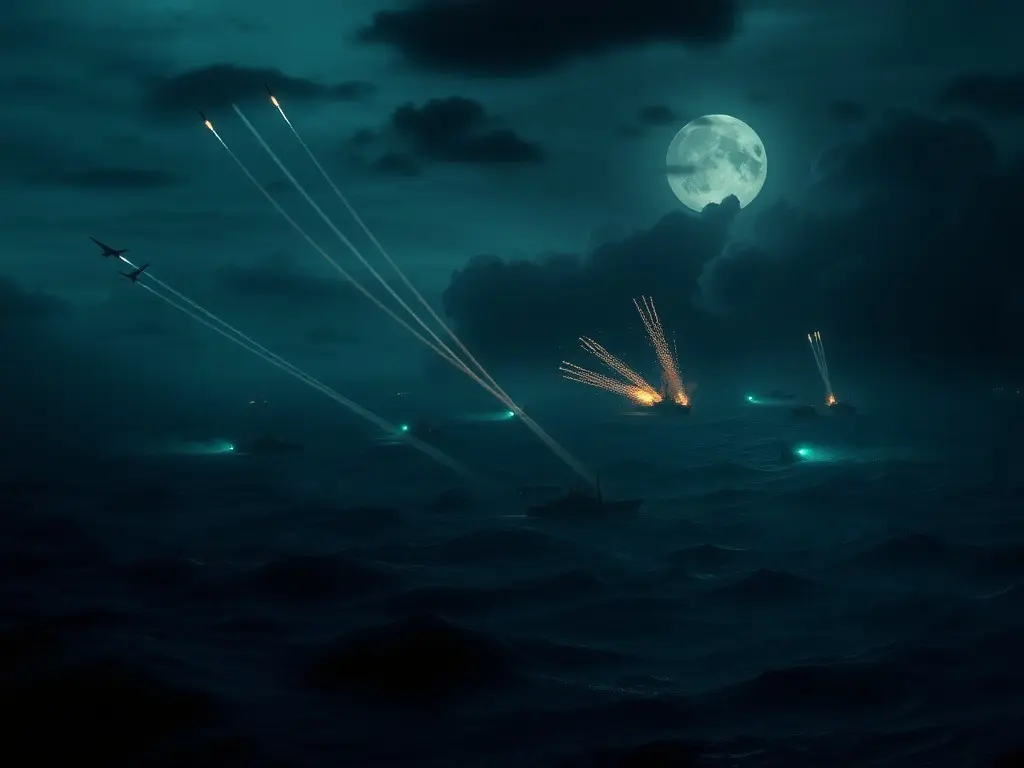
The US military launched targeted strikes against Iranian air defense and radar systems near the Strait of Hormuz on June 9 after Iran downed a US Apache attack helicopter, killing no one but leaving two crew members rescued by a sea drone and in stable condition. President Donald Trump directed the response, calling it proportional to Iranian aggression, while Iran warned of a 'decisive response' to further hostility, raising tensions amid fragile ceasefire talks in the Middle East.
The US military conducted self-defense strikes against Iran on June 9 after Iran downed a US Apache attack helicopter in the Strait of Hormuz overnight. Two crew members were rescued by a US Navy surface drone and are in stable condition, though the military did not specify the cause of the crash. President Donald Trump ordered the strikes, targeting Iranian air defense and radar systems around the Strait of Hormuz, calling the response 'very strong' and 'proportional.' Iran’s state media confirmed an attack on Qeshm Island, with explosions reported in nearby Bandar Abbas, and stated no offensive air operations were conducted in the past 24 hours. A military source warned of a 'decisive response' to further hostility. Meanwhile, Iran’s Foreign Minister Abbas Araghchi urged foreign forces to leave the region to reduce risks. The helicopter crash occurred around 3 AM local time near Oman’s coast while on patrol. Trump initially claimed the pilots were uninjured but later downplayed the incident, calling it 'not a big deal.' The episode strains ongoing efforts to broker a Middle East peace deal, with Trump insisting progress is near despite limited signs of advancement since the April ceasefire. The Strait of Hormuz remains a critical chokepoint for global petroleum and commodity trade, making the escalation a potential threat to regional stability. Iran’s denial of offensive operations contrasts with US claims of Iranian aggression, deepening tensions between the two nations.
This content was automatically generated and/or translated by AI. It may contain inaccuracies. Please refer to the original sources for verification.