U.S. Residential Property Sales Remain Flat in April
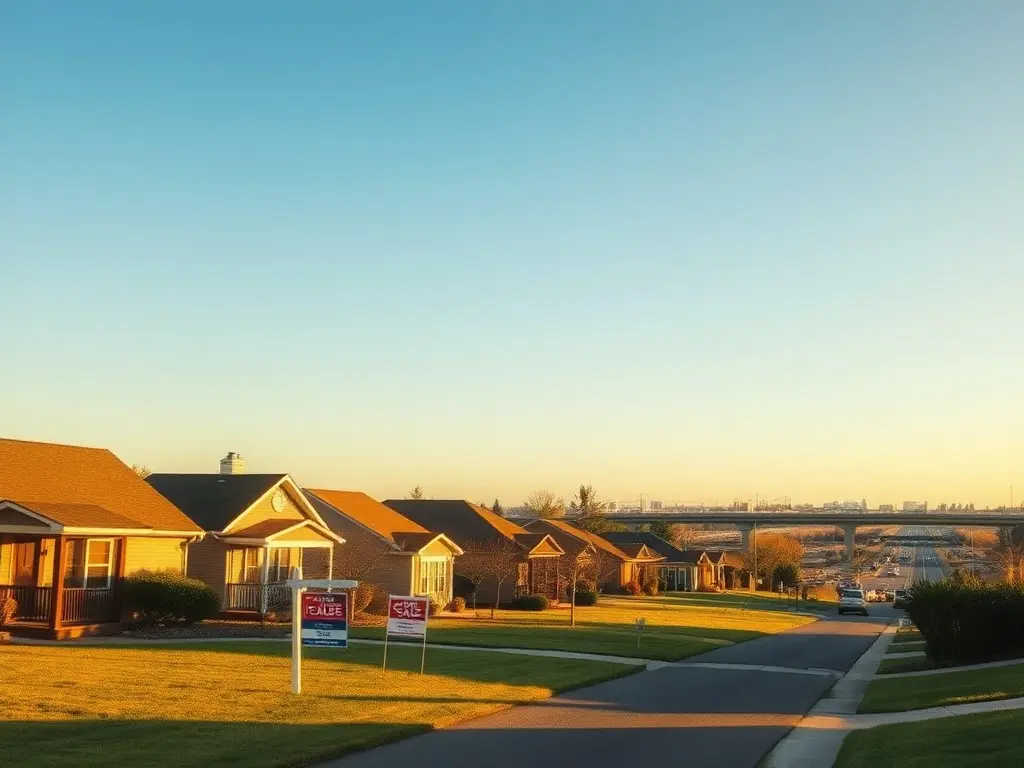
U.S. existing-home sales rose 0.2% in April 2026 to 4.02 million annually, unchanged from a year earlier, with regional disparities and easing mortgage rates supporting modest gains despite tight supply. The median home price increased 0.9% year-over-year to $417,700, while inventory rose 5.8% month-over-month to 1.47 million units, though affordability improved with a Housing Affordability Index of 110.6, up from 101.4 a year ago.
U.S. residential property sales showed marginal improvement in April 2026, with existing-home sales climbing 0.2% month-over-month to a seasonally adjusted annual rate of 4.02 million, matching the same period in 2025. The National Association of Realtors reported uneven regional performance, with the Midwest and South leading gains, while the West saw a decline and the Northeast remained flat. Lawrence Yun, chief economist at the association, attributed the stabilization to easing affordability pressures and lower borrowing costs, despite mixed economic signals like record-high stock market values and low consumer confidence. Inventory levels increased 5.8% from March to 1.47 million units, a 1.4% rise from April 2025, though supply constraints persist as homes take longer to sell. The median existing-home price reached $417,700, up 0.9% year-over-year, marking the 34th consecutive month of price increases. Affordability improved significantly, with the Housing Affordability Index rising to 110.6 from 101.4 a year ago, driven by gains across all regions, particularly in the West. Mortgage conditions softened, with the average 30-year fixed-rate mortgage at 6.33% in April, down from last year but slightly higher than March. Single-family home sales remained unchanged at 3.64 million annually, while condo and co-op sales rose 2.7% to 380,000. Price trends for single-family homes increased 1.0% year-over-year, and condos rose 1.1%, reflecting steady demand despite economic uncertainty. Regionally, the South experienced the strongest annual growth with sales up 2.7%, while the West remained flat and the Northeast declined 8.2% year-over-year. The Midwest saw a 1.0% annual drop despite monthly gains. Market indicators suggest a gradual normalization, with the median days on market falling to 32 from 41 in March but still higher than a year ago. First-time buyers accounted for 33% of transactions, slightly higher than the prior month, while cash deals and investor activity eased. Distressed sales remained minimal at 2% of total transactions, unchanged from prior months, signaling stable credit conditions. Yun noted that while competition has lessened from pandemic-era peaks, multiple-offer situations persist in some segments. The data underscores a housing market in transition, balancing affordability improvements against persistent supply shortages.
This content was automatically generated and/or translated by AI. It may contain inaccuracies. Please refer to the original sources for verification.