US says it intercepted Iranian ballistic missiles, drones aimed at Gulf allies, Strait of Hormuz
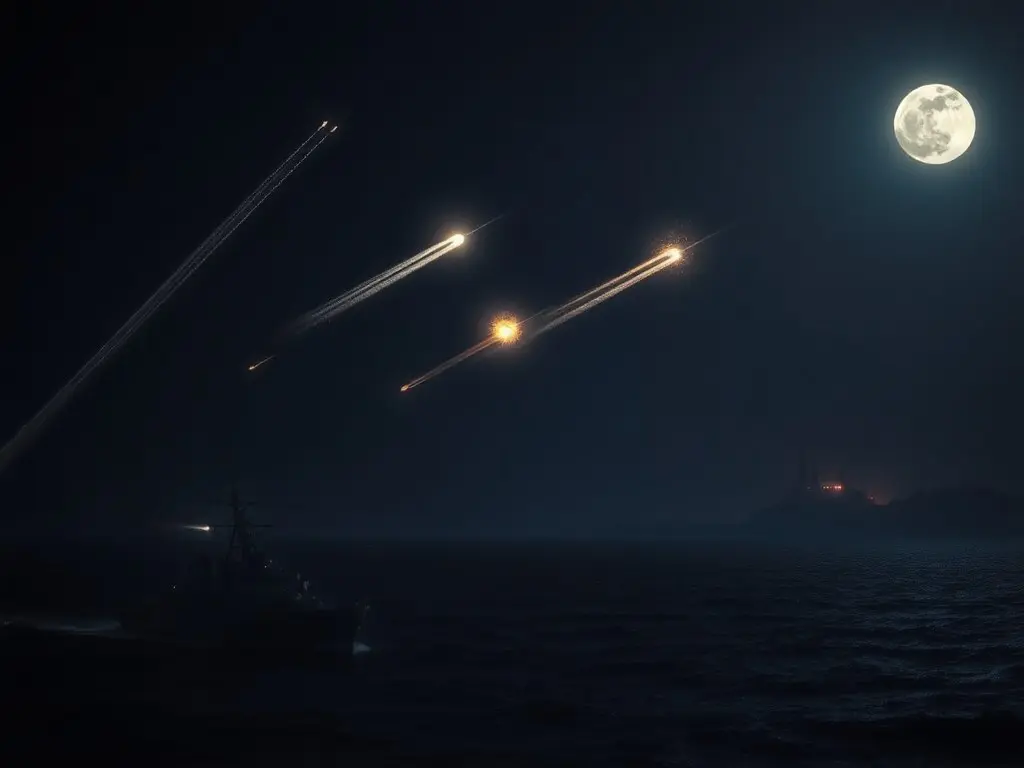
The US military intercepted six Iranian ballistic missiles and four drones targeting Kuwait, Bahrain, and the Strait of Hormuz on Friday, striking Iranian radar sites in response, while Iran claimed attacks on US bases in Kuwait and Bahrain. Tensions escalated despite a fragile ceasefire and US President Donald Trump’s mixed signals on resolving the conflict, with Iran reportedly still holding 21-22% of its missile capabilities.
The US military reported intercepting six Iranian ballistic missiles and four drones launched toward Kuwait, Bahrain, and the Strait of Hormuz on Friday. According to US Central Command, Iran fired seven ballistic missiles toward Kuwait and Bahrain, with six intercepted and one failing to reach its target. The military stated there were no reports of harm to US personnel. Earlier in the day, the US shot down four Iranian drones threatening regional maritime traffic in the Strait of Hormuz. In response, the US military struck Iranian coastal surveillance radar sites, including an island in the strait, to prevent further attacks. Kuwaiti forces intercepted missiles and drones targeting the country, while Bahrain activated air raid sirens and ordered residents to seek shelter. Iran’s Revolutionary Guard claimed attacks on the Ali Al Salem airbase in Kuwait, which hosts US forces, and the US Navy’s 5th Fleet in Bahrain, as reported by the state-run IRNA news agency. The escalation follows a US-imposed blockade on Iranian ports, aiming to counter Tehran’s control over global oil and gas shipments, which has driven up energy prices. Despite tensions, negotiators had reached a tentative 60-day ceasefire extension and new talks on Iran’s nuclear program, though President Donald Trump has demanded unspecified changes. Trump stated Friday that the Iran situation was progressing well, hinting at a possible swift resolution, either through a formal agreement or a tougher approach. He claimed Iran still possessed 21-22% of its missile capabilities and suggested the conflict could end quickly, with economic benefits like lower fertilizer prices. Meanwhile, Iranian officials showed no public willingness to finalize the deal, citing their independence and strength. Separately, Israel struck southern Lebanon amid ongoing clashes, complicating a US-brokered ceasefire between Lebanon and Israel. The Iranian-backed Hezbollah group rejected the agreement, raising concerns about further instability in the region.
This content was automatically generated and/or translated by AI. It may contain inaccuracies. Please refer to the original sources for verification.