US students performing worse in school than 10 years ago: report
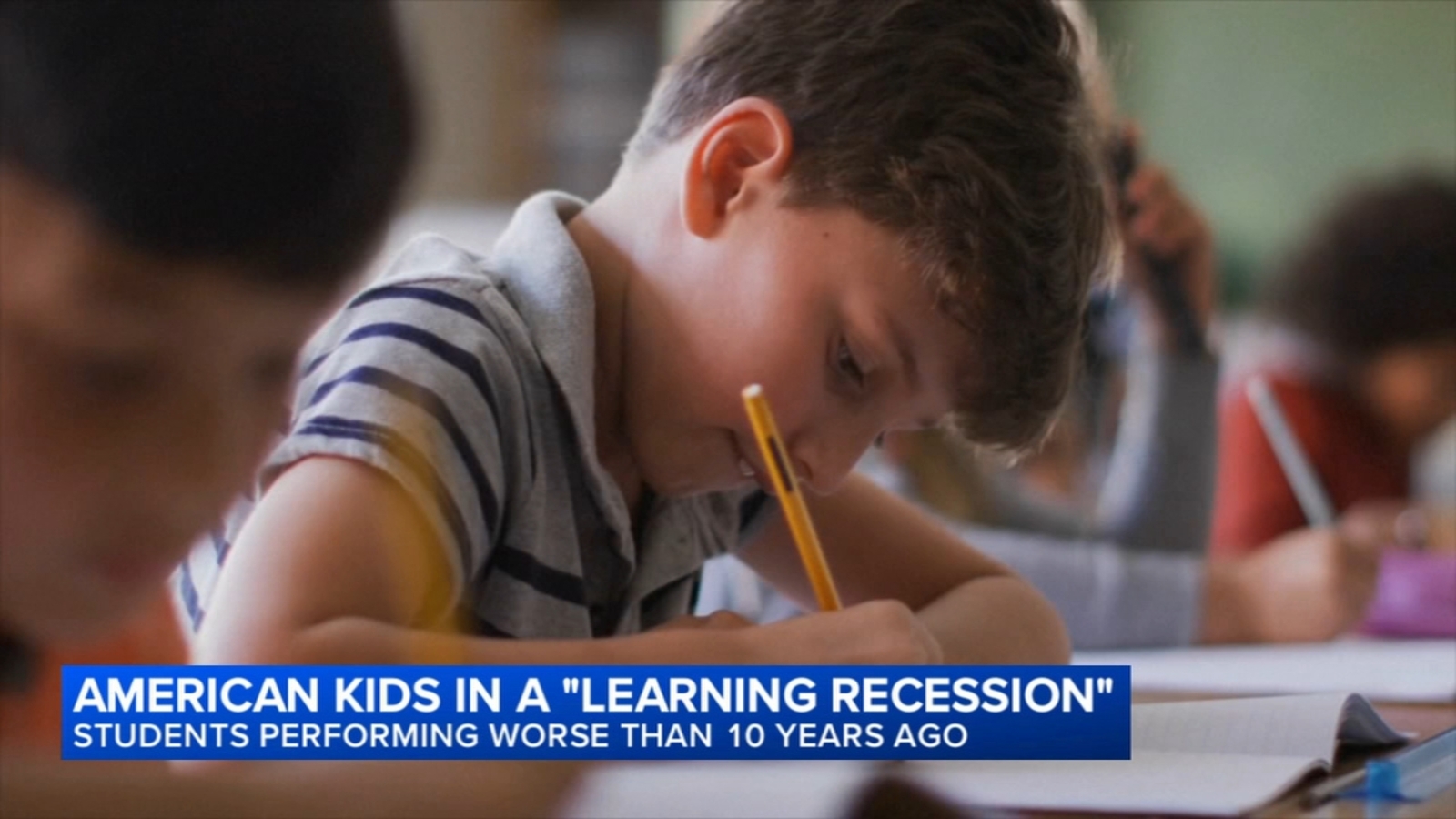
A report by Harvard, Stanford, and Dartmouth researchers found U.S. students in grades 3-8 scored lower in reading and math in 2025 than a decade ago, with declines starting around 2013 and accelerating during and after the COVID-19 pandemic. Factors like reduced testing accountability, social media use, and policy shifts such as the replacement of the No Child Left Behind Act were cited as key contributors to the 'learning recession.'
A study released May 14, 2026, by researchers from Harvard University, Stanford University, and Dartmouth College revealed U.S. students’ reading and math scores in grades 3 through 8 have declined since 2013, with 2025 levels matching the lowest points recorded in 1990 for eighth-grade reading. The report, titled *Education Scorecard*, analyzed data from over 100 school districts nationwide between 2009 and 2025, showing that while the COVID-19 pandemic worsened the trend, declines in reading began before 2017 and continued steadily through 2024. The study attributed the decline to policy changes, including the 2015 expiration of the No Child Left Behind Act and its replacement by the Every Student Succeeds Act, which reduced test-based accountability. Tom Kane, a Harvard professor and report author, also pointed to rising social media use among students as a major factor distracting from academic engagement. Student absences and insufficient literacy reforms were additional contributing factors. Kane described the trend as a 'learning recession,' noting that math scores stagnated between 2013 and 2015 while reading scores showed no improvement. The report highlighted that the annual rate of decline in reading remained consistent before, during, and after the pandemic, suggesting systemic rather than temporary causes. Some school districts implementing the 'science of reading' phonics approach reported higher student performance, though the report emphasized that improvements were uneven across income levels. Experts like Elaine Allensworth of the UChicago Consortium on School Research cautioned against alarmism, framing the decline as a call for targeted interventions rather than a crisis. The findings underscore the need for policies addressing student engagement and literacy, with the report suggesting that schools must adapt to counteract long-term declines in academic achievement.
This content was automatically generated and/or translated by AI. It may contain inaccuracies. Please refer to the original sources for verification.