Vajpayee and a vanishing political culture
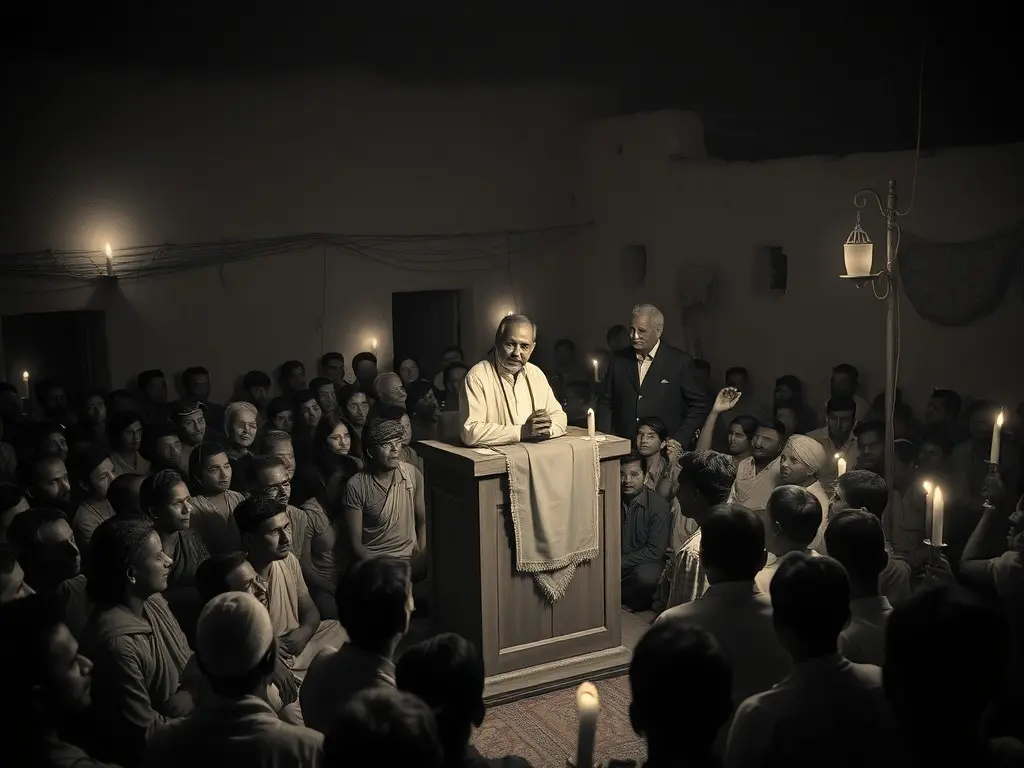
A 1957 photograph of Atal Bihari Vajpayee, then a Bharatiya Jana Sangh candidate, shows his modest campaign with Rs.41,000 and a focus on grassroots outreach, including a rare endorsement of his opponent in Mathura. A new pictorial biography, *Atal Bihari Vajpayee: The Eternal Statesman*, curated by BJP leader Vijay Goel, highlights his statesmanship, including collaboration with political rivals like Chandra Shekhar and Indira Gandhi, and his ability to prioritize national unity over partisan gains.
A black-and-white photograph from 1957 captures Atal Bihari Vajpayee standing in an open jeep during a victory procession after winning the Lok Sabha election from Balrampur as a Bharatiya Jana Sangh candidate. The image reflects a simpler era in Indian politics, where Vajpayee campaigned with just Rs.41,000, two jeeps, and extensive rural outreach by foot, bicycle, and horseback. Notably, he urged voters in Mathura to support his opponent, freedom fighter Raja Mahendra Pratap Singh, demonstrating an early commitment to integrity and political transcendence. The photograph is featured in *Atal Bihari Vajpayee: The Eternal Statesman*, a 311-page pictorial biography curated by senior BJP leader Vijay Goel. The book, priced at Rs.4,000, combines archival images with lesser-known details about Vajpayee’s life, emphasizing his role in shaping the BJP alongside L.K. Advani and his alignment with the RSS’s values. Goel’s accompanying text underscores Vajpayee’s statesmanship, including his ability to collaborate with political adversaries while maintaining ideological consistency. One anecdote describes Vajpayee inviting rivals Chandra Shekhar and Charan Singh to join a *padayatra* in Sadulpur after communal riots, prioritizing national peace over political advantage. Goel recalls Vajpayee’s response: *“Their presence will strengthen our issue. That is what matters.”* The book also highlights Vajpayee’s warmth with opponents like S.R. Bommai, K.R. Narayanan, and V.P. Singh, who reportedly called him *“the right man in the wrong party.”* A photograph of Vajpayee walking with then Prime Minister Indira Gandhi during the 1971 India-Pakistan war illustrates his capacity for cross-party dialogue, even amid geopolitical tensions. The biography frames these interactions as evidence of Vajpayee’s moderate approach, where he sought common ground despite ideological divides. Goel’s account positions Vajpayee as a rare leader who balanced ideological conviction with a broader commitment to national cohesion.
This content was automatically generated and/or translated by AI. It may contain inaccuracies. Please refer to the original sources for verification.