Venice Biennale 2026 presents revolutions of the soul
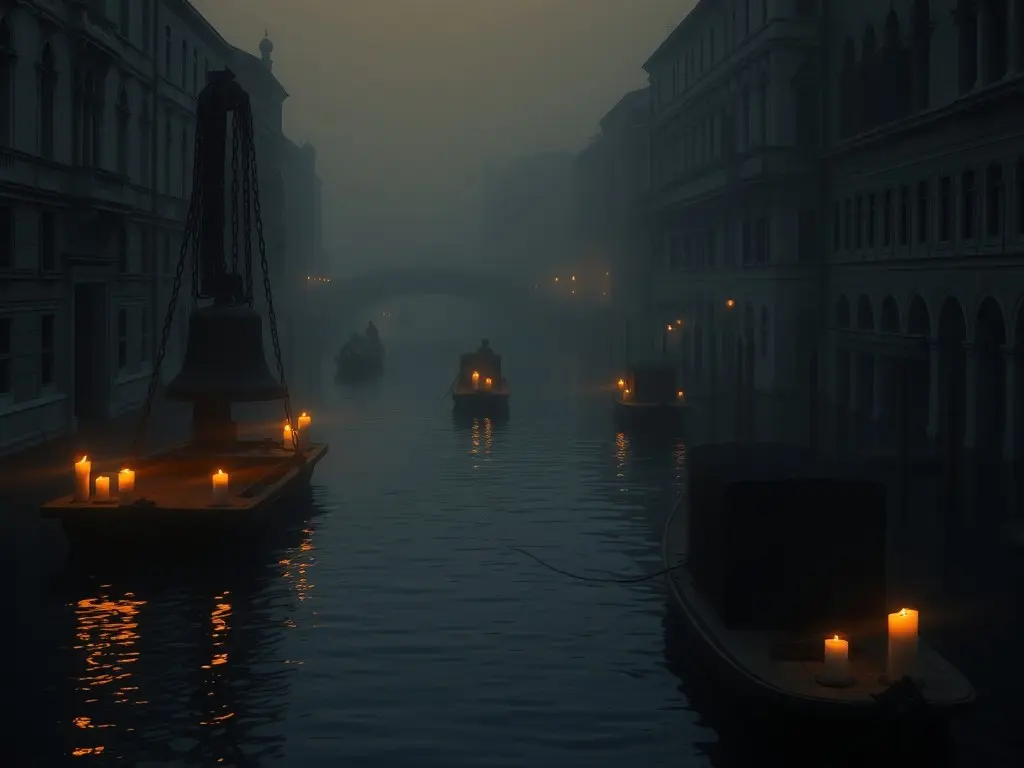
The Venice Biennale 2026, themed *In Minor Keys* and curated by the late Koyo Kouoh, explores quiet resistance amid geopolitical tensions, including protests against Russia and Israel’s participation. Australia’s pavilion controversy over artist Khaled Sabsabi and curator Michael Dagostino highlighted debates on artistic freedom, while works like Sabsabi’s video installation and Florentina Holzinger’s bell installation critique systemic power structures.
The Venice Biennale 2026, titled *In Minor Keys*, was conceived by Cameroonian-Swiss curator Koyo Kouoh before her death in May 2025. Kouoh’s concept emphasized slow, introspective art—poetry, intimacy, and repair—as a counterpoint to global crises. The biennale became a flashpoint for geopolitical tensions, with Russia returning for the first time since Ukraine’s invasion and Israel’s participation sparking boycotts. A jury resigned days before the opening over legal threats, and protests disrupted the event, including a Pussy Riot-led action in the Russian pavilion and a 24-hour strike by the Art Not Genocide Alliance, which closed nearly 30 pavilions in solidarity with Palestine. Australia’s representation faced controversy when Creative Australia initially withdrew artist Khaled Sabsabi and curator Michael Dagostino in February 2025, citing political pressure. After public backlash, they were reinstated following an independent review. Sabsabi’s work, a 40-meter video-painting in the Arsenale, avoids polemics, instead immersing viewers in layered projections that challenge perception. His dual inclusion in the Australian pavilion and the International Exhibition reflects the biennale’s broader engagement with complex, non-reductive art. Florentina Holzinger’s installation at the Austrian Pavilion features a monumental bell striking hourly, symbolizing alarm and systemic critique. The biennale’s themes—war, ecological collapse, nationalism—are framed as immediate realities rather than abstract threats. Many works disrupt authority through performance and voice, exposing bodies to surveillance, commodification, and precarity. Kouoh’s vision, though unfinished, underscores art’s role in quiet but persistent resistance to dominant narratives.
This content was automatically generated and/or translated by AI. It may contain inaccuracies. Please refer to the original sources for verification.