Victoria’s new minister for men and boys to focus on schools
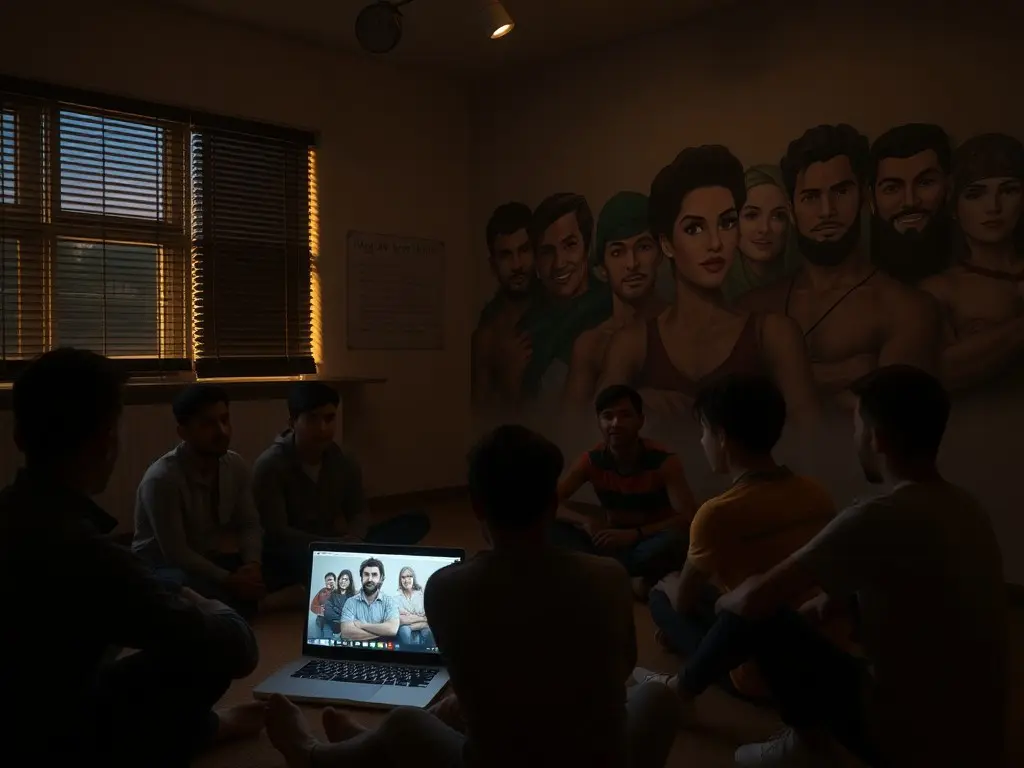
Victoria appointed Paul Edbrooke as Australia’s first Minister for Men and Boys, focusing on mental health and combating online misogyny’s influence on young males. The role aims to counter harmful messaging from figures like Andrew Tate and the incel movement, which research links to distorted gender attitudes among Gen Z men.
Victoria has created Australia’s first dedicated Minister for Men and Boys, appointing Paul Edbrooke to address mental health challenges and the impact of online misogyny on young males. Edbrooke, a former special education teacher, will focus on countering harmful narratives from influencers like Andrew Tate and the incel movement, which research shows has shaped extreme views among Gen Z men—such as 25% believing women should not appear ‘too self-sufficient.’ The role was announced six weeks after Louis Theroux’s documentary *Inside the Manosphere* highlighted societal shifts in how boys are influenced. Youth advocate Daniel Principe warns that mainstream manosphere messaging promotes dominance and discourages authenticity, telling boys they must be ‘high-value males’ rather than respectful individuals. Primary school-aged boys, he notes, prioritize time with father figures, while influencers push financial success over emotional connection. Beyond Blue reports that rigid masculinity ideals—emphasizing strength and self-reliance—contribute to mental health struggles, with one in three young men experiencing disorders and 75% of daily suicides in Australia being male. The Victorian government aims to collaborate with families and organizations to foster positive male identities, addressing gaps in support highlighted by Australia’s mental health statistics. New South Wales has also responded, with Opposition Leader Kellie Sloane establishing a shadow men’s health portfolio and federal Labor MP Dan Repacholi appointed as Australia’s first special envoy for men’s health in 2025. The initiatives reflect growing recognition of the need to address systemic issues affecting men’s wellbeing and societal perceptions of masculinity.
This content was automatically generated and/or translated by AI. It may contain inaccuracies. Please refer to the original sources for verification.