Vietnam’s housing crisis is now a social challenge
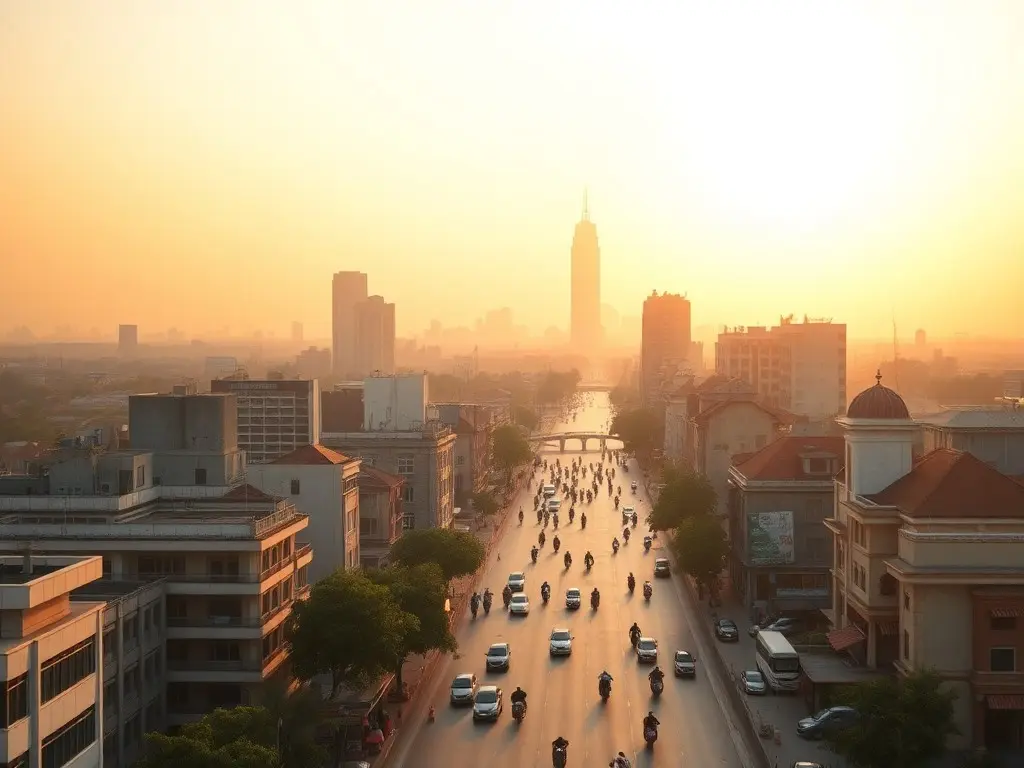
Vietnam’s housing crisis has escalated into a social challenge, with prices in Hanoi and Ho Chi Minh City rising far beyond income growth, forcing young professionals into long-term renting or cramped conditions. Speculative investment and land price surges driven by infrastructure rumors are worsening affordability, while leaders like President To Lam warn against treating housing as a speculative asset rather than a necessity.
Vietnam’s housing crisis has become a major socio-economic issue, as skyrocketing prices in Hanoi and Ho Chi Minh City outpace wage growth, making homeownership unattainable for many middle-income workers. Affordable apartments now sell for hundreds of millions of dong per square meter, while land prices have multiplied in recent years, widening the gap between income and housing costs. The problem stems partly from real estate’s status as a perceived safe investment, attracting speculative buyers who hold multiple properties for resale rather than use. Rapid property flipping and short-term sales have pushed land prices to irrational levels, often spiking overnight due to speculative expectations tied to infrastructure projects—even before construction begins. President To Lam has emphasized that housing must remain a necessity, not a speculative asset, aligning with global warnings about the ‘financialization’ of real estate. Economists like Joseph Stiglitz have highlighted how speculative markets detach housing prices from actual utility, deepening inequality and economic instability. Young professionals with stable careers and education still struggle to afford homes, often forced into long-term renting or distant commutes. The social consequences extend beyond personal hardship, threatening labor quality and sustainable development as housing becomes increasingly inaccessible for the majority. Urbanization and concentrated demand in major cities have intensified the crisis, with limited land supply and aggressive speculative capital flows driving prices further out of reach. The government faces pressure to address both market distortions and social fairness to prevent long-term economic and societal strain.
This content was automatically generated and/or translated by AI. It may contain inaccuracies. Please refer to the original sources for verification.