Wake plans teacher training in generative AI, district-wide policy for use by fall
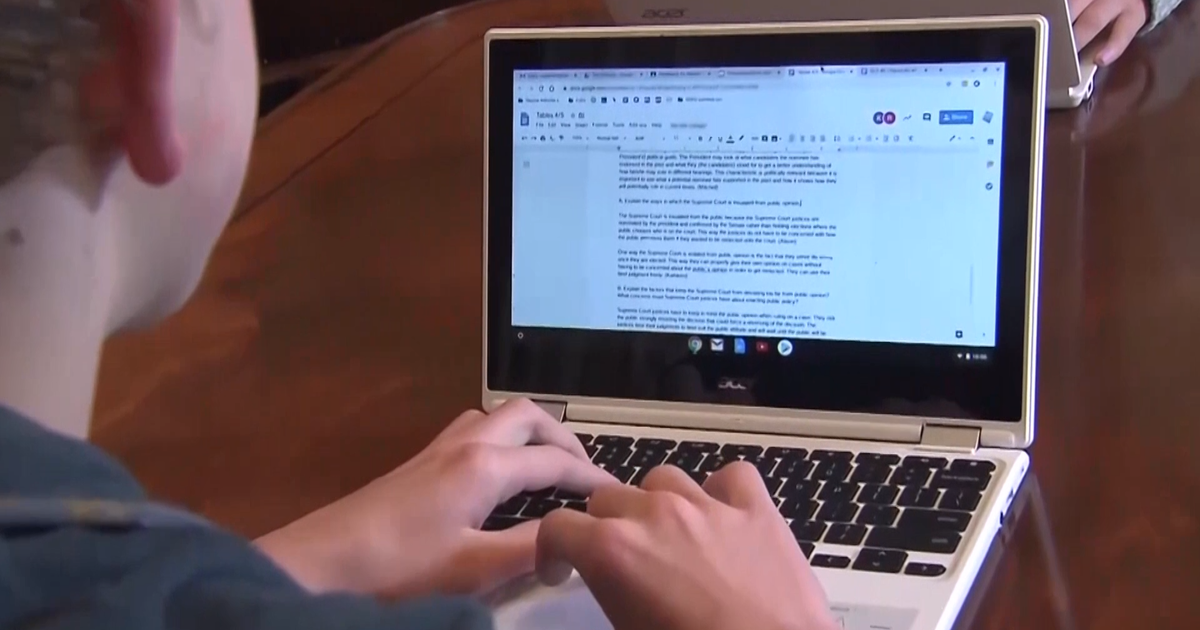
Wake County Public School System plans to train teachers on generative AI and adopt a district-wide policy by August, pending school board approval, aiming to balance ethical use and student learning integrity. Board members seek clearer guidelines on AI implementation, including ethical safeguards and age-appropriate applications, while acknowledging the rapid evolution of the technology.
Wake County Public School System will train teachers on generative AI and roll out a policy by August, pending school board approval. The policy aims to address concerns about AI’s impact on learning and academic honesty, with discussions highlighting the need for ethical guidelines and age-specific applications. The school board has delayed policy discussions for months but now seeks approval before the next school year. Members emphasized the need for concrete guidance on ethical use, student input, and broader societal implications. Board Member Cheryl Caulfield expressed caution, comparing AI to calculators, while Superintendent Robert Taylor stressed the importance of proactive teaching to ensure productive AI use. Wake’s draft policy outlines principles like ethics, student access, and human-centered learning but lacks specifics on safeguards or enforcement. Unlike most North Carolina school boards, which follow generic state recommendations, Wake aims for a more detailed approach. The North Carolina Department of Public Instruction has avoided a formal policy due to AI’s rapid development. Board members criticized the draft for lacking operational details, such as when AI use would be permitted or how misuse would be detected. Comparisons with other central North Carolina districts show similar vagueness in their policies. The debate reflects broader challenges in integrating AI into education while maintaining academic integrity.
This content was automatically generated and/or translated by AI. It may contain inaccuracies. Please refer to the original sources for verification.