Walmart and Amazon race to win over rural America with speedier deliveries
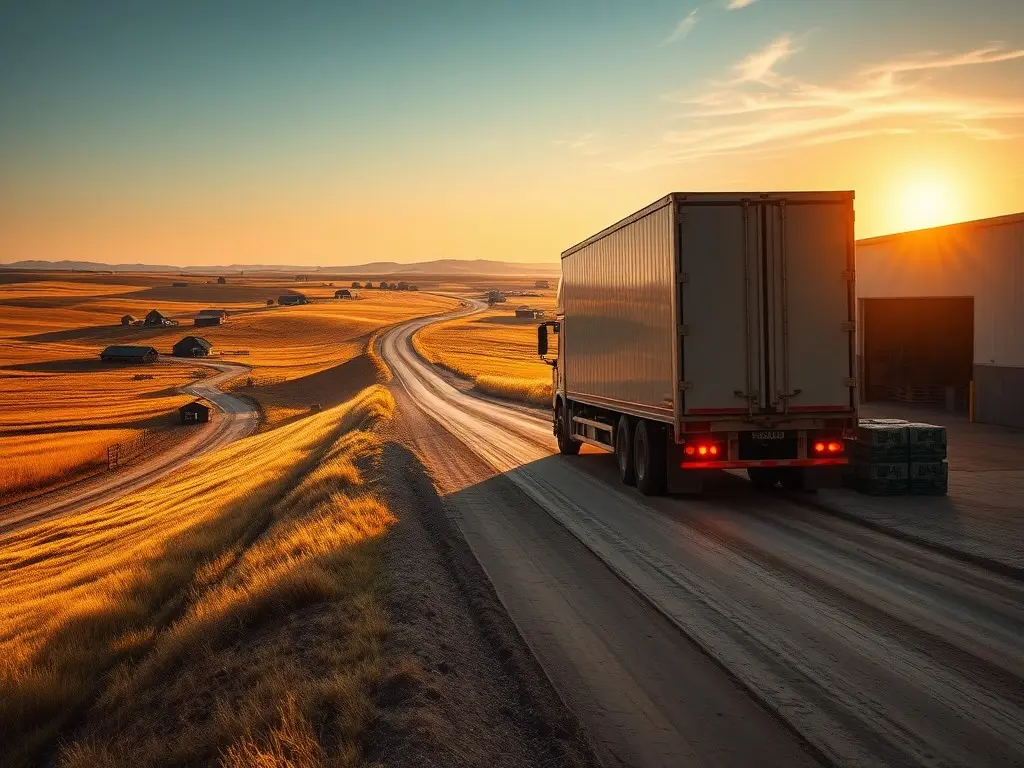
Walmart and Amazon are accelerating same-day and next-day deliveries to rural U.S. markets, targeting an estimated $1 trillion annual sales opportunity. Walmart’s existing store network and Amazon’s $4 billion investment in logistics infrastructure are driving competition as rural demographics and incomes rise post-pandemic.
Walmart and Amazon are intensifying efforts to capture rural U.S. shoppers, a market previously overlooked due to logistical challenges and perceived lower demand. Walmart already serves 90% of Americans within 10 miles of a store, with 45% of its Supercenters located in towns under 20,000 people, according to Morgan Stanley. Meanwhile, Amazon invested $4 billion last year to expand same-day or next-day delivery to 4,000 smaller cities and rural communities, including Lewes, Delaware; Milton, Florida; Padre Island, Texas; and Abbeville, Louisiana. The shift reflects changing rural demographics, with median household incomes rising 43% between 2010 and 2022, reaching nearly $60,000 annually, per McKinsey. Rural areas now account for 20% of total U.S. retail spending outside automobiles and gasoline, making them a lucrative target. Amazon’s CEO, Andy Jassy, noted in a shareholder letter that same-day delivery customers doubled in 2025, driven by AI demand forecasting and new micro-hubs in rural zones. Walmart’s CEO, David Guggina, emphasized that rural consumers expect the same convenience as urban shoppers, despite delivery challenges like longer routes and unpaved roads. FedEx, UPS, and the USPS have scaled back rural deliveries to focus on profitability, creating an opening for Walmart and Amazon to dominate. Both companies are leveraging technology—such as AI and micro-fulfillment centers—to reduce costs and improve efficiency in underserved regions. The competition extends beyond retail giants, as Dollar General and other players also seek to serve rural customers. The rural market’s growth, fueled by remote work trends and rising incomes, has made it a battleground for retailers competing to secure long-term loyalty in areas once considered too costly or difficult to serve.
This content was automatically generated and/or translated by AI. It may contain inaccuracies. Please refer to the original sources for verification.